
Top 10 Ways to Support Small Businesses During Small Business Week

As Small Business Week rolls around, it’s a perfect time to celebrate and support the backbone of our economy – small businesses. These enterprises not only contribute significantly to local communities but also add diversity and character to the marketplace. Here are ten impactful ways you can show your support:
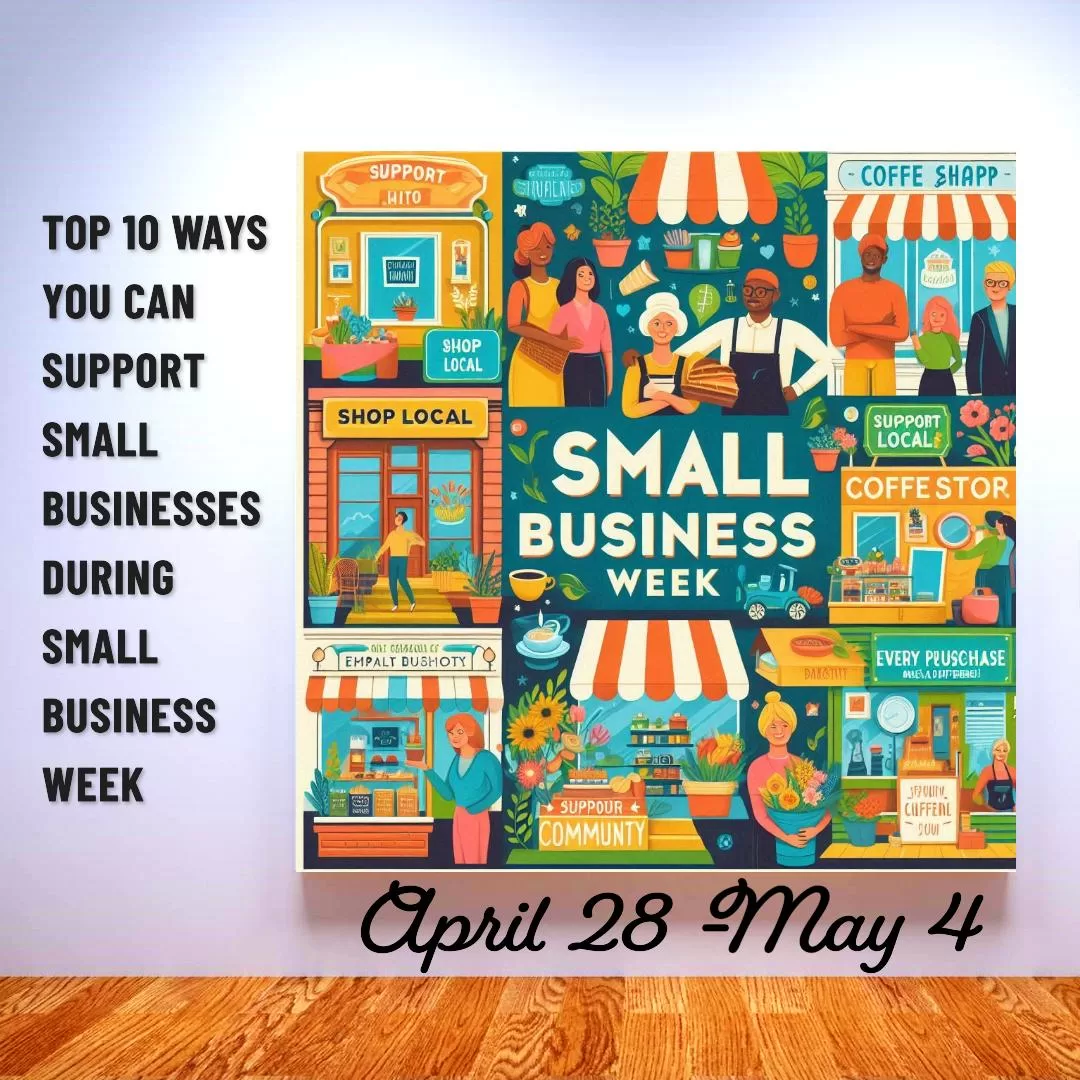
Top 10 Ways to Support Small Businesses During Small Business Week
  1. Shop Local: When you need to make a purchase, opt to buy from locally-owned businesses instead of big chains or online giants. This helps keep money circulating within your community and sustains local jobs.
  2. Spread the Word: Utilize social media platforms to shout out your favorite small businesses. Write reviews, share posts, and tag them in your content. Word-of-mouth marketing is incredibly powerful for these enterprises.
  3. Attend Events: Many small businesses host events during Small Business Week to engage with their community. Attend these events, workshops, or fairs to show your support and learn more about what they offer.
  4. Buy Gift Cards: Purchase gift cards from small businesses, even if you don’t have an immediate need for them. You can use them later or gift them to friends and family, introducing others to these local gems.
  5. Volunteer Your Skills: Offer your expertise pro bono to small businesses. Whether it’s graphic design, marketing, or accounting, your skills can help them grow without stretching their tight budgets.
  6. Join Loyalty Programs: Many small businesses offer loyalty programs to reward repeat customers. Joining these programs not only benefits you but also provides steady support to the business.
  7. Collaborate: Small businesses can achieve more by collaborating with each other. Encourage partnerships and collaborations among your favorite local spots. For example, a café and a bookstore can host joint events.
  8. Provide Feedback: Constructive feedback can help small businesses improve their products and services. If you have suggestions or criticisms, share them politely and directly with the business owner.
  9. Write Blog Posts or Articles: If you have a blog or contribute to local publications, write about your experiences with small businesses. Highlight their unique offerings and the value they bring to the community.
  10. Advocate for Policies that Support Small Businesses: Get involved in local politics and advocate for policies that benefit small businesses, such as tax breaks, streamlined regulations, or support for entrepreneurship programs.

Small businesses are the heart and soul of our communities. During Small Business Week and beyond, let’s show them the love and support they deserve. Together, we can help them thrive and create vibrant, resilient local economies.

Connect with Factoring Specialist, Chris Lehnes on LinkedIn

Read more articles about small businesses
Small Business Optimism Reaches 11-Year Low

Small Business Optimism Reaches 11-Year Low

Small business optimism, a key barometer of economic sentiment and growth prospects, has plummeted to its lowest levels in over a decade, signaling widespread concerns and uncertainties among entrepreneurs and business owners. In this article, we delve into the factors driving this downturn in confidence, explore the implications for the broader economy, and offer insights into strategies for small businesses to weather the storm.

Small Business Optimism Reaches 11-Year Low

The State of Small Business Optimism:

According to recent surveys and economic indicators, small business optimism has reached its lowest point in 11 years, reflecting mounting challenges and uncertainties facing entrepreneurs. Concerns over economic recovery, rising costs, supply chain disruptions, labor shortages, and regulatory uncertainties have eroded confidence and dampened prospects for growth. As small businesses grapple with these headwinds, sentiment towards future business conditions and investment prospects has soured, casting a shadow over the economic outlook.

Economic Headwinds:

Several factors contribute to the decline in small business optimism, including lingering effects of the COVID-19 pandemic, inflationary pressures, supply chain disruptions, and labor market challenges. Uncertainty surrounding the trajectory of the pandemic, including the emergence of new variants and potential disruptions to economic activity, weighs heavily on business sentiment. Moreover, rising input costs, transportation expenses, and inflationary pressures squeeze profit margins and hinder investment and expansion plans for small businesses.

Supply Chain Disruptions:

Small businesses are particularly vulnerable to supply chain disruptions, as they rely heavily on timely delivery of goods and materials to meet customer demand. Disruptions in global supply chains, including port congestion, shortages of raw materials, and transportation bottlenecks, have led to delays, increased costs, and operational challenges for small businesses. These disruptions not only impact production schedules and inventory management but also strain relationships with customers and suppliers, exacerbating concerns about long-term viability.

Labor Market Challenges:

Labor shortages and workforce constraints pose significant challenges for small businesses, limiting their ability to meet demand, expand operations, and maintain quality standards. Factors contributing to labor market challenges include skills mismatches, demographic shifts, concerns about workplace safety, and disincentives to work due to government stimulus programs. Small businesses struggle to attract and retain qualified employees, leading to increased competition for talent, wage pressures, and operational disruptions.

Strategies for Small Business Resilience:

Despite the challenges and uncertainties, small businesses can take proactive steps to enhance resilience and adaptability in the face of adversity. Embracing technology, diversifying supply chains, optimizing inventory management, and investing in employee training and development are critical strategies for navigating supply chain disruptions and labor market challenges. Moreover, maintaining open communication with customers, suppliers, and stakeholders, and seeking support from government programs and business associations can help small businesses weather the storm and emerge stronger from the crisis.

Conclusion:

As small business optimism hits an 11-year low, entrepreneurs and business owners face unprecedented challenges and uncertainties on multiple fronts. The convergence of economic headwinds, supply chain disruptions, and labor market challenges underscores the need for resilience, adaptability, and proactive strategies to navigate the turbulent waters ahead. By embracing innovation, fostering collaboration, and staying agile in response to changing market dynamics, small businesses can overcome obstacles and position themselves for long-term success in an uncertain and evolving business landscape.

Learn about accounts receivable factoring

Connect with Factoring Specialist, Chris Lehnes on LinkedIn