
Tank Top Crisis
Tank Top Crisis Looms: In the world of global energy, we often focus on the flow of oil—the pipelines, the tankers, and the daily production quotas. But today, the headlines are focusing on something much more static and far more dangerous: storage.
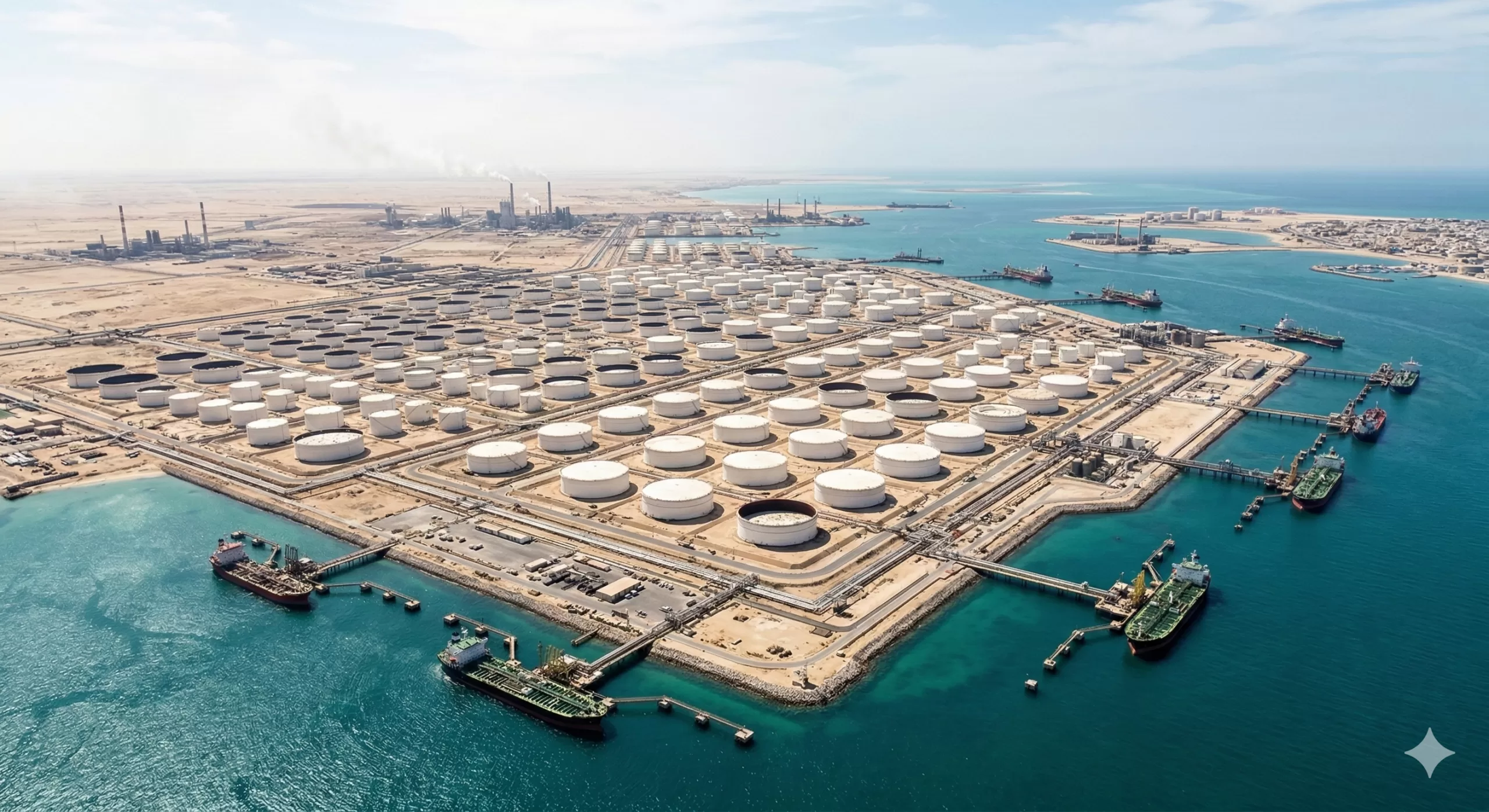
As highlighted in a recent Wall Street Journal report, Kuwait has officially begun cutting its oil production. The reason isn’t a lack of demand or a diplomatic shift in OPEC+ policy. It is a physical reality known in the industry as reaching “tank tops.” Quite simply, Kuwait has run out of places to put its oil.
The Chokepoint Catalyst
The crisis stems from the effective closure of the Strait of Hormuz, a vital maritime artery through which roughly one-fifth of the world’s oil supply passes. Following a series of geopolitical escalations and strikes on energy assets in the Gulf, shipping traffic has ground to a near-halt.
For a nation like Kuwait, which relies heavily on this single export route, a blocked strait creates an immediate and literal backlog. When the tankers can’t leave, the oil has nowhere to go but into storage tanks. Once those tanks are full, the only remaining option is to stop the pumps.
A High-Stakes Domino Effect
Kuwait isn’t the first to hit this wall, and it likely won’t be the last.
- Iraq has already slashed its production by more than half, losing roughly 1.5 million barrels per day.
- The UAE is estimated to be only days away from its own storage limits.
- Saudi Arabia, while possessing much larger storage capacity and alternative pipeline routes to the Red Sea, is also feeling the pressure as the backlog grows.
This “domino effect” of production shutdowns is what keeps energy analysts awake at night. Shutting down an oil well isn’t as simple as flipping a light switch. It is a technically complex and expensive process that can cause long-term damage to reservoir pressure. Restarting these wells once the crisis ends can take weeks, meaning the supply shock will linger long after the shipping lanes reopen.
The Global Fallout: $100 Oil?
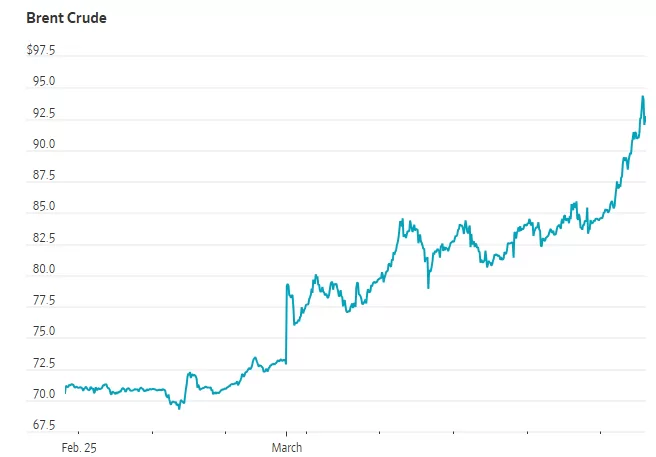
The markets have reacted with predictable volatility. Brent crude has already surged past $90 a barrel, a 25% increase since the conflict began. Analysts warn that if the storage crisis forces more Gulf producers to “shut in” their wells, we could see prices easily breach the $100 mark, or even climb toward $150 according to some regional ministers.
Beyond the pump, this crisis threatens to reignite global inflation just as central banks were beginning to find their footing. It serves as a stark reminder of how fragile the global energy infrastructure remains and how a single geographic chokepoint can hold the world’s economy hostage.
The Bottom Line
The situation in Kuwait is a canary in the coal mine. It proves that in a modern energy crisis, the bottleneck isn’t just about who has the oil—it’s about who has the room to hold it when the world stops moving. As storage tanks across the Gulf reach their limits, the pressure isn’t just building in the pipes; it’s building on the global economy.