
The Fed’s Delicate Balance
Few voices carry as much weight as Jamie Dimon’s. So, when the JPMorgan Chase CEO uses words regarding Fed independence like “absolutely critical” and warns of “adverse consequences,” the markets—and the public—should probably lean in.
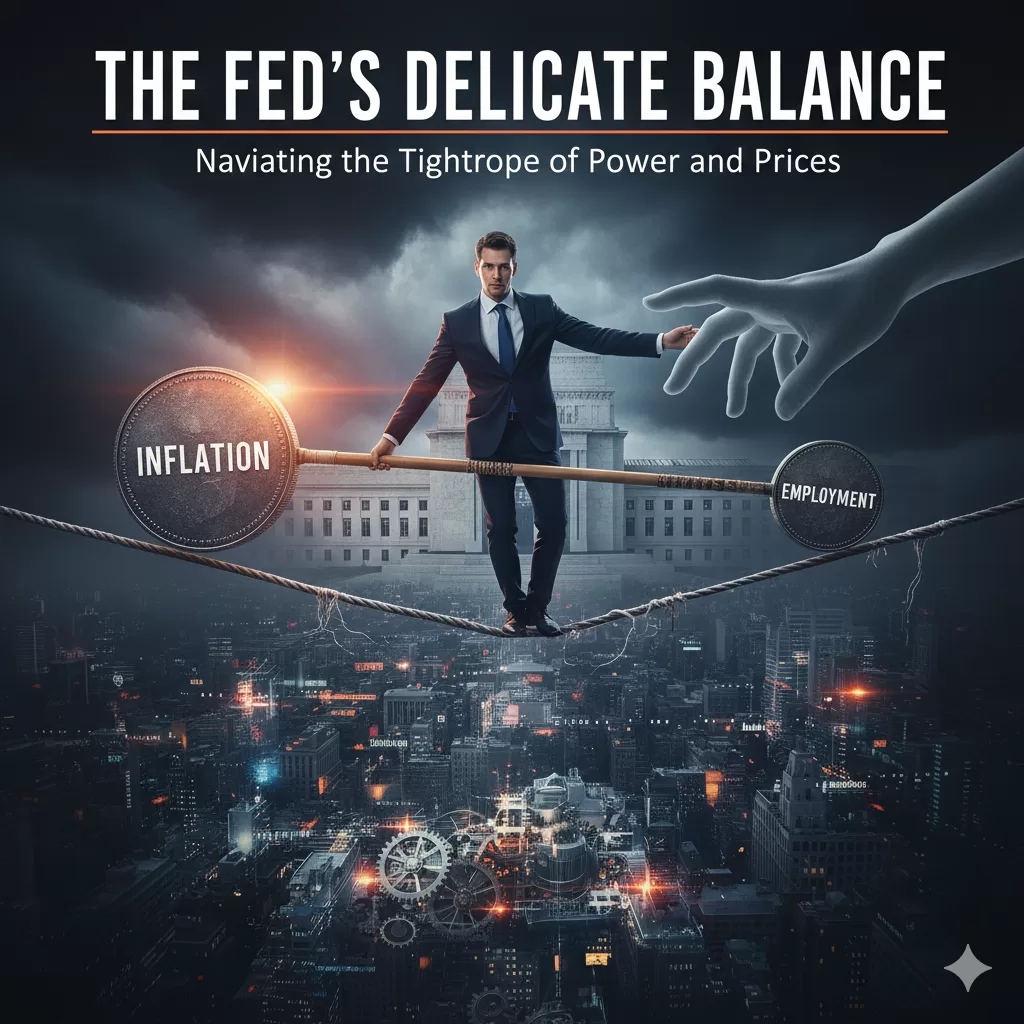
His recent comments regarding political interference with the Federal Reserve aren’t just about high-level banking theory; they are a direct warning about the stability of the American economy and the cost of living for every citizen.
The “Referee” of the Economy
To understand Dimon’s concern, you have to look at the Federal Reserve’s role. Think of the Fed as the “referee” of the economy. Their job is to manage inflation and employment by adjusting interest rates. For this to work, they have to be able to make tough, often unpopular decisions—like raising rates to cool down inflation—without worrying about whether those moves will cost a politician an election.
As Dimon pointed out during a recent earnings call, “The independence of the Fed is absolutely critical.” Why? Because the moment the public or investors believe the Fed is taking orders from the White House, trust in the U.S. dollar and the stability of our markets begins to crumble.
The Irony of Political Pressure
The current tension stems from persistent political pressure on Fed Chair Jerome Powell to lower interest rates. The logic from the political side is simple: lower rates usually mean more borrowing, more spending, and a short-term boost to the economy.
However, Dimon warns that this pressure can backfire spectacularly. He noted that “playing around with the Fed could have adverse consequences, the absolute opposite of what you might be hoping for.”
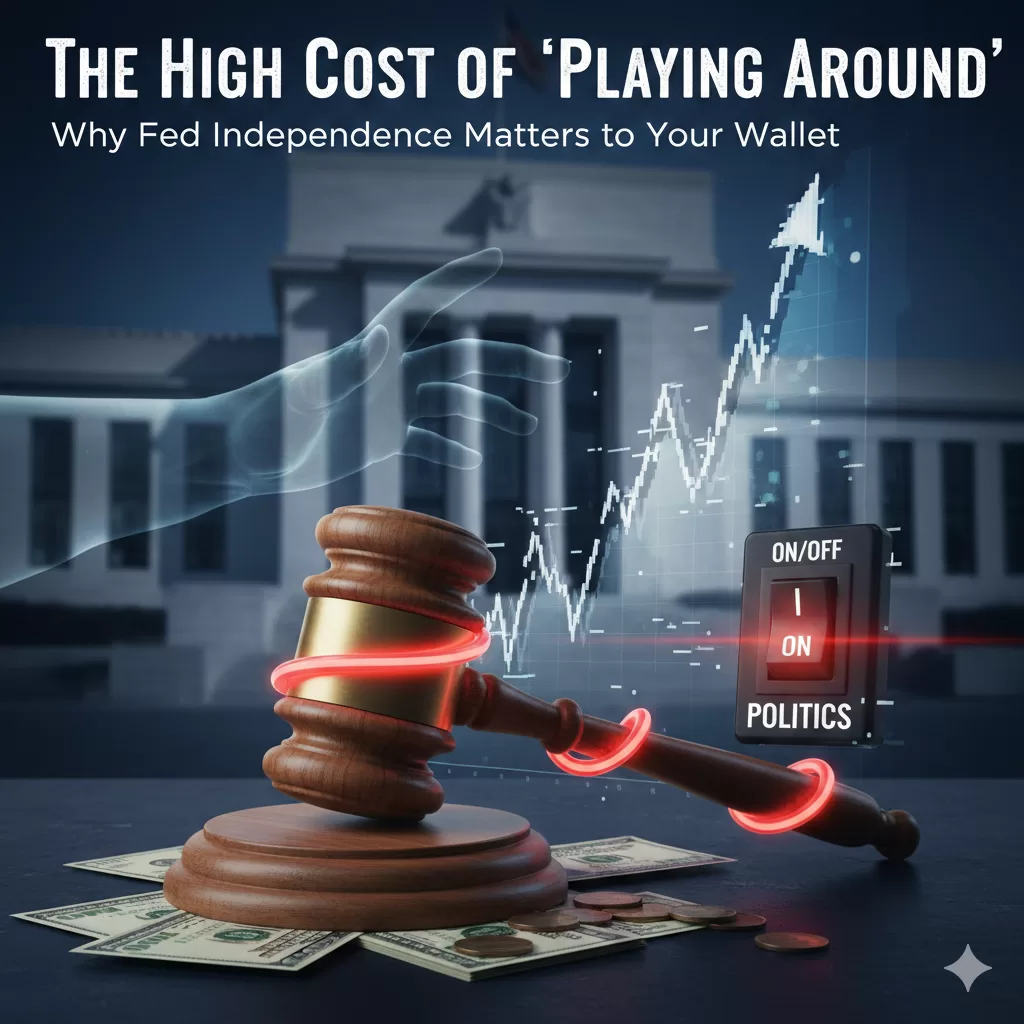
Here is the paradox: If the Fed lowers rates because a politician told them to, rather than because the data supports it, investors will fear that inflation is going to spiral out of control. To protect themselves, those same investors will demand higher returns on government bonds. This drives “long-term” interest rates up—the very rates that determine what you pay for a mortgage, a car loan, or a credit card balance.
By trying to force rates down for a political win, leaders could inadvertently push rates higher for the average consumer.
Why This Matters Now
Dimon’s warning comes at a delicate time. Between the potential for new tariffs (which can drive up prices) and a growing federal deficit, the U.S. economy is walking a tightrope.
If the Fed loses its autonomy, the “soft landing” we’ve all been hoping for—where inflation cools without a major recession—becomes much harder to achieve. As Dimon noted, asset prices are currently priced for perfection, and the margin for error is slim.
The Bottom Line
Jamie Dimon isn’t just defending a colleague in Jerome Powell; he is defending the institutional credibility that keeps the global financial system running.
In a world of hyper-partisan politics, some things need to remain “above the fray.” The Federal Reserve is one of them. If the independence of the central bank is compromised, we won’t just see it in the headlines—we’ll feel it in our monthly bills.
*** What do you think? Is political oversight of the Fed necessary for accountability, or is Jamie Dimon right that independence is the only way to keep the economy stable? Let’s discuss in the comments.