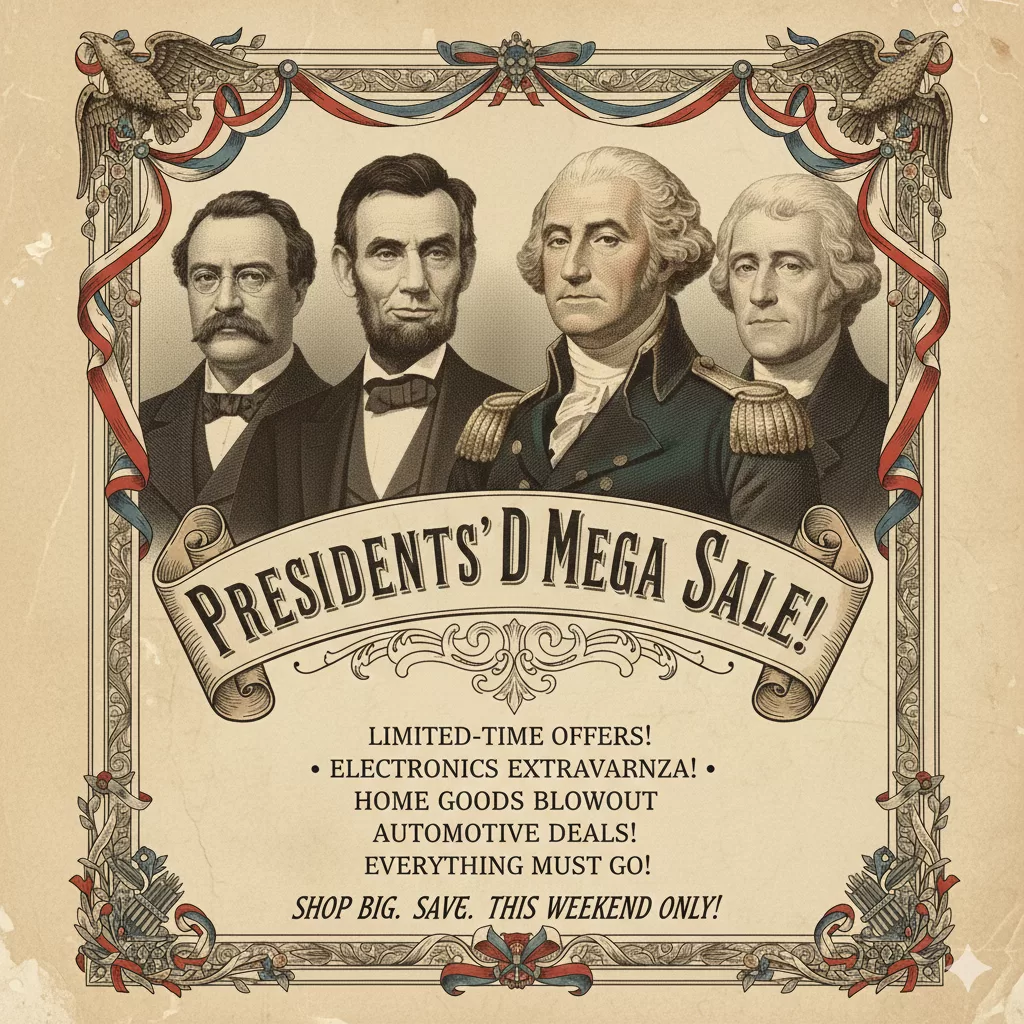
Every February, Americans look forward to a Monday off, often marked by mattress sales and cherry pie. But the story of Presidents’ Day is more than just a break from work; it’s a quirky evolution of federal law, calendar shifting, and a bit of a tug-of-war between two of America’s most famous leaders.
It Started with George
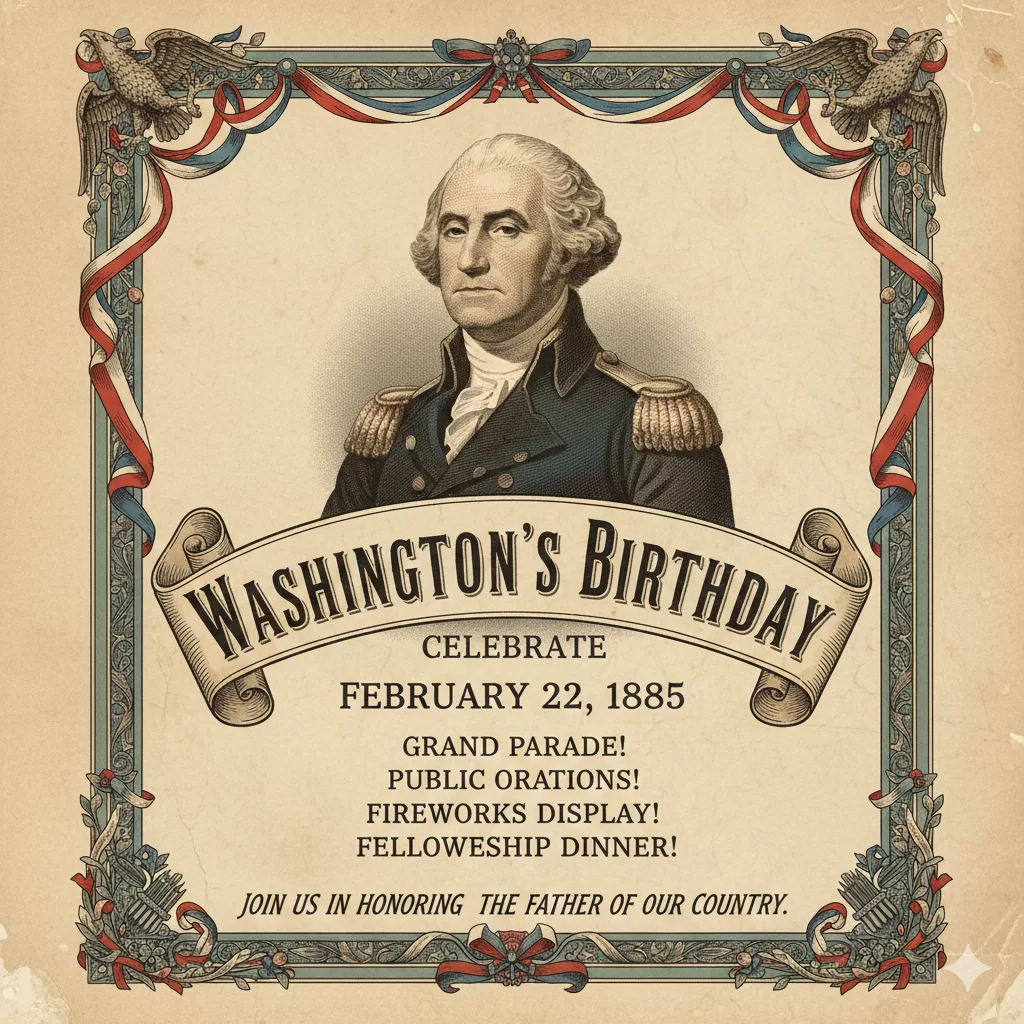
Originally, this holiday had nothing to do with “Presidents” in the plural. It was strictly about George Washington.
After his death in 1799, his birthday (February 22) became a day of unofficial remembrance. By 1879, it became an official federal holiday for government workers in Washington, D.C., and by 1885, it expanded to the entire country. For decades, the logic was simple: Washington was the “Father of His Country,” so he got the day.
The Great Calendar Shift: The Uniform Monday Holiday Act
If you’re wondering why we never seem to celebrate on Washington’s actual birthday anymore, you can thank the late 1960s.
In 1968, Congress passed the Uniform Monday Holiday Act. The goal was practical, if a bit unromantic: move several federal holidays to predetermined Mondays to create more three-day weekends for the workforce.
The Goal: Boost industrial productivity by reducing mid-week disruptions and encourage consumer spending through long weekend travel and shopping.
When the law took effect in 1971, Washington’s Birthday was moved to the third Monday in February. Ironically, because of how the calendar falls, the holiday now never actually lands on Washington’s real birthday (February 22).
The “Lincoln” Factor
While Washington had the federal holiday, many states (especially in the North) also celebrated Abraham Lincoln’s birthday on February 12.

When the 1971 shift happened, there was a push to rename the day “Presidents’ Day” to honor both men—and eventually, all who served in the office. While the federal government still officially calls it “Washington’s Birthday,” the popular name “Presidents’ Day” took over the public consciousness by the mid-1980s, largely driven by retailers who found “Presidents’ Day Sales” to be a much more effective marketing tool.
How We Celebrate Today
Today, the holiday is a bit of a “choose your own adventure” for the 50 states:
- Traditionalists: Some states still officially list it as “Washington’s Birthday.”
- The Duo: Others, like Illinois, place a heavy emphasis on Lincoln.
- The Inclusive: Most people treat it as a day to reflect on the presidency as an institution and the various leaders who have occupied the Oval Office.
Whether you’re spending the day studying Revolutionary War history or just catching up on sleep, you’re participating in a tradition that has evolved from a somber tribute into a celebration of American leadership.