
A Surprising Spring: March Jobs Report Shatters Expectations
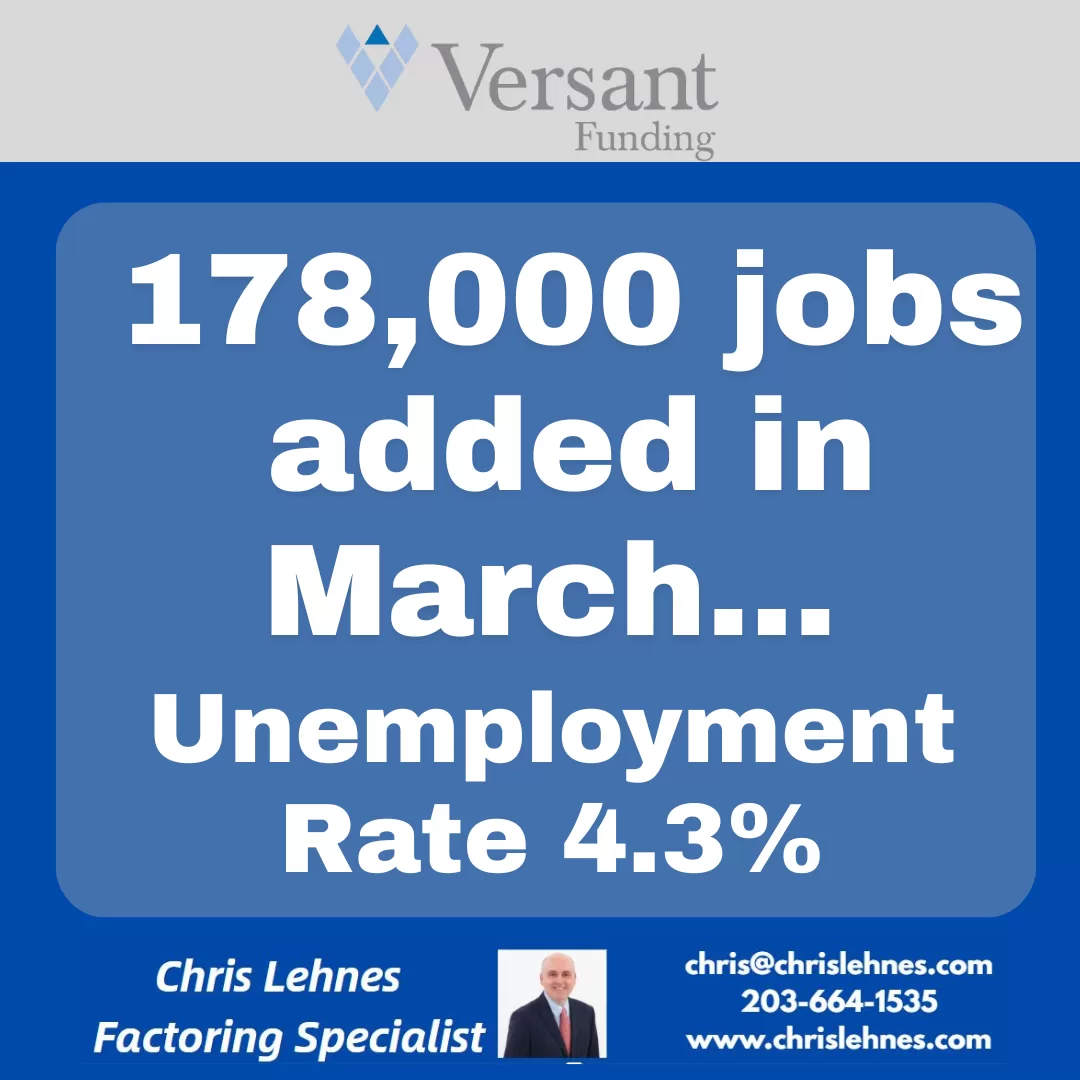
The U.S. labor market just delivered a spring surprise that few saw coming. According to the latest data released today by the Bureau of Labor Statistics (BLS), the U.S. economy added 178,000 jobs in March, vastly outperforming economist forecasts which had hovered around a modest 60,000 to 70,000.
After a dismal February that saw a revised loss of 133,000 jobs, this rebound signals a resilient—if complex—economic landscape.
The Numbers at a Glance
The March report offers a refreshing change of pace for a labor market that has felt “frozen” for much of the past year.
- Nonfarm Payrolls: +178,000 (Expected: ~70,000)
- Unemployment Rate: 4.3% (Down from 4.4% in February)
- Revisions: January’s figures were revised upward to 160,000, though the two-month net revision slightly dampened the overall trend.
What’s Driving the Growth?
The recovery wasn’t uniform across the board. While the headline number is strong, the “engine” of the U.S. economy remains highly concentrated:
- The Healthcare Titan: Once again, the health care and social assistance sector did the heavy lifting, adding 76,000 jobs last month. This sector has essentially been the primary life support for the labor market over the last year.
- The “Bounce Back” Factor: Part of the March surge is attributed to the return of approximately 31,000 Kaiser Permanente employees who were on strike in February, along with more favorable weather conditions across the country.
- The Gender Shift: Interestingly, recent trends show that women now hold more jobs than men in the nonfarm economy—a structural shift driven by the strength of female-dominated sectors like education and health, while male-concentrated sectors like manufacturing continue to cool.
The Shadows on the Horizon: Geopolitics and Oil
Despite the optimistic numbers, experts are urging caution. The report arrives amidst significant geopolitical tension, specifically the ongoing conflict in Iran.
“We’ve got a much more difficult spring job market than we had hoped given the higher prices at the pump and the supply chain disruptions that are going to come from the war,” says Diane Swonk, chief economist at KPMG.
With gas prices spiking above $4 a gallon for the first time since 2022, many fear that the March gains may be a “last hurrah” before the economic impact of the war and energy costs fully settle into corporate hiring plans.
The Bottom Line
The U.S. economy has shown it still has plenty of fight left. A 4.3% unemployment rate remains historically healthy, and the “low-hire, low-fire” stalemate of 2025 appears to be thawing.
However, for job seekers and businesses alike, the road ahead remains fogged by uncertainty. Between the rapid integration of Artificial Intelligence, fluctuating inflation (which dipped to 2.3% before ticking back up), and global instability, “cautious optimism” remains the phrase of the day.
Contact Factoring Specialist, Chris Lehnes
What do you think? Is the March report a sign of a true turnaround, or just a temporary rebound? Let us know in the comments below.
The U.S. labor market just delivered a spring surprise that few saw coming https://t.co/ZosTbrz3Zm
— Chris Lehnes (@chrislehnes) April 3, 2026
U.S. economy added 178,000 jobs in March, vastly outperforming economist forecasts.#economy #unemployment #InterestRates @BureauLabor pic.twitter.com/79qZdoYuwQ