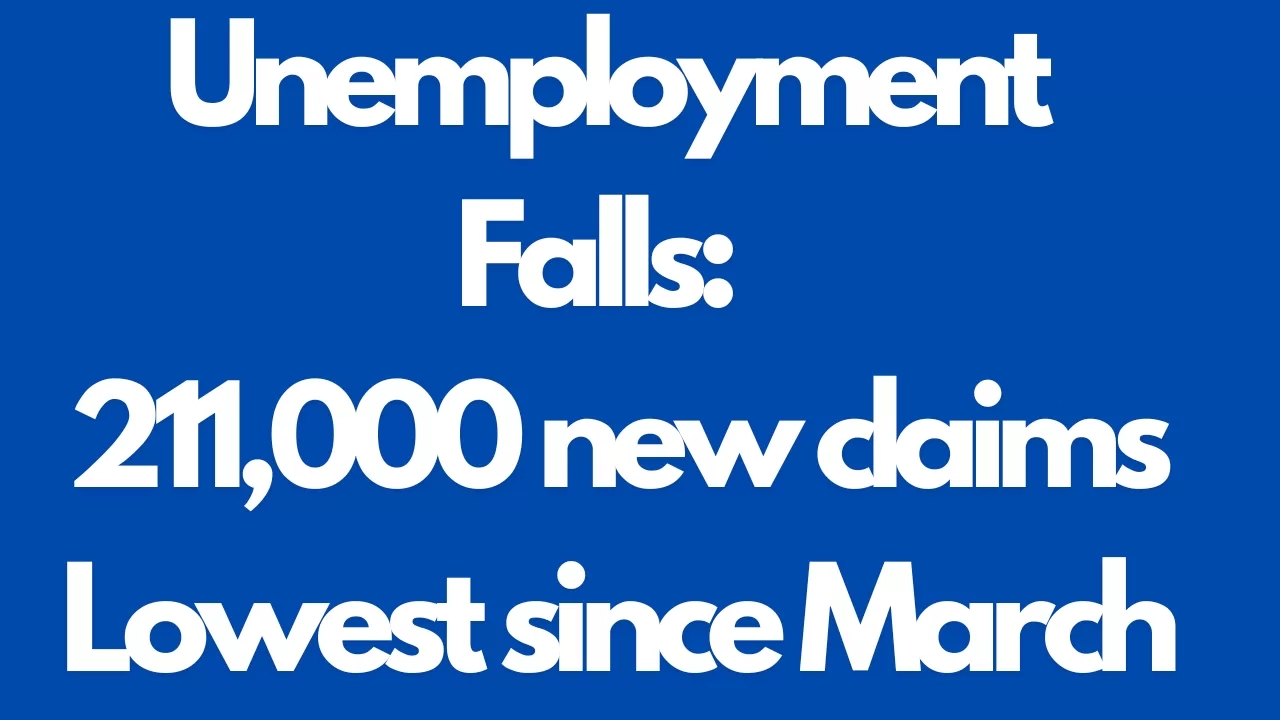
Unemployment Claims Fall to 211,000 – Lowest Since March
The U.S. labor market continues to show signs of resilience as initial unemployment claims fell to 211,000 for the week ending [date], the lowest level since March. This figure, released by the Department of Labor, is a decline of 13,000 from the previous week’s revised total of 224,000. Economists had anticipated claims to remain relatively flat at around 220,000, making this drop a notable surprise.
Unemployment Claims Fall to 211,000 – Lowest Since March
What Are Unemployment Claims?
Unemployment Claims Fall to 211,000 – Lowest Since March
Why This Matters
This reduction underscores the continued strength of the U.S. economy, even in the face of high interest rates and inflationary pressures. Employers seem more inclined to retain workers despite concerns about economic growth slowing. This trend is consistent with other labor market indicators, including a low unemployment rate and steady job openings.
Regional and Sector Insights
The latest data shows that most regions reported decreases in claims, with notable declines. Industries such as hospitality, healthcare, and manufacturing appear to be driving this stability, as they continue to experience steady or increased demand.
Broader Economic Context
The Federal Reserve has been closely monitoring labor market conditions as it weighs future interest rate decisions. A strong labor market complicates efforts to tame inflation, as higher employment can lead to increased consumer spending. However, the drop in claims suggests that the economy may be navigating this delicate balance better than expected.
Looking Ahead
Analysts will be watching for the next round of employment reports and economic data to determine whether this trend is sustainable. A consistently low level of unemployment claims could signal ongoing economic strength, but it may also keep the Federal Reserve on alert regarding inflationary risks.
For now, the decrease in unemployment claims is a positive sign for workers and businesses alike, reinforcing confidence in the stability of the U.S. economy.
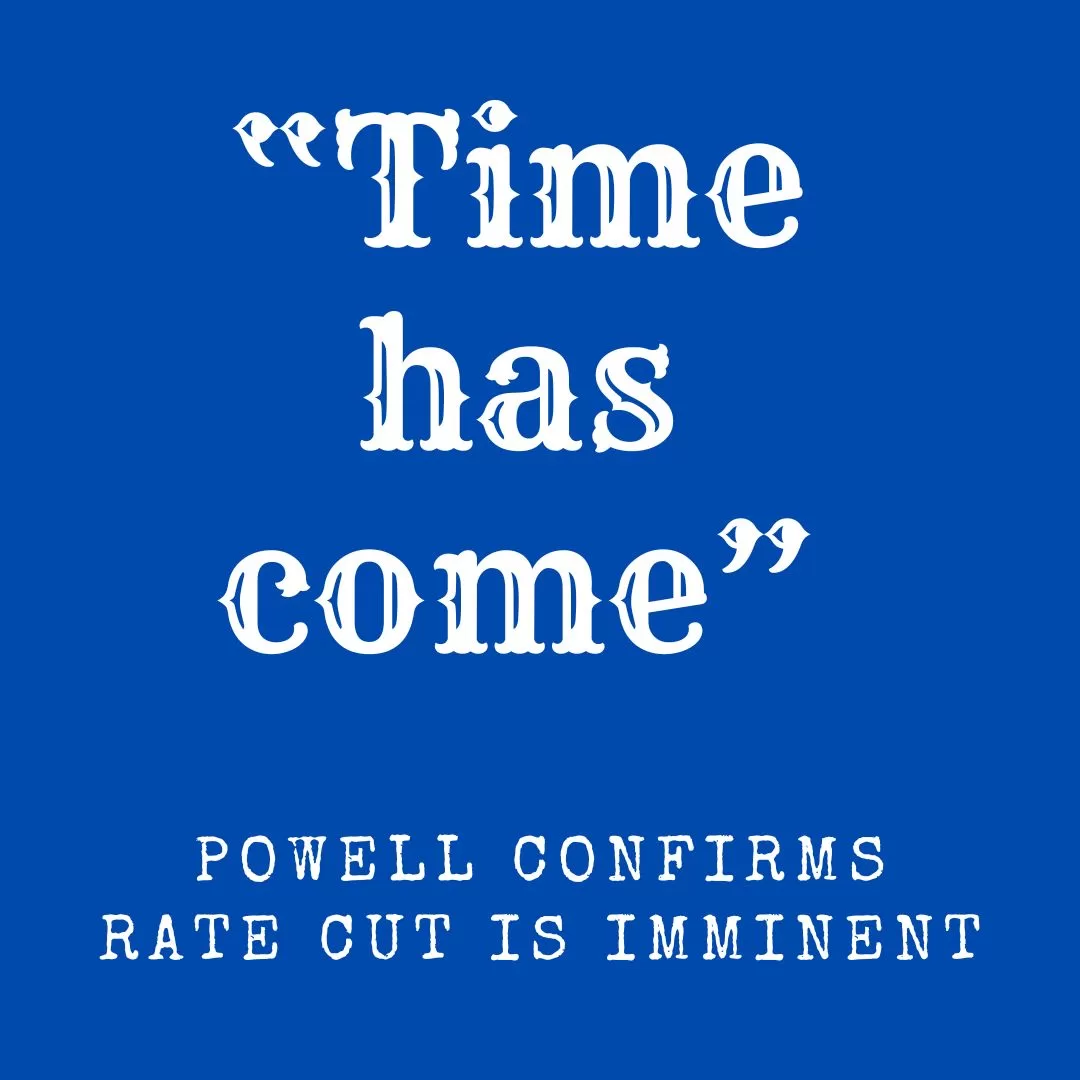
Time has come – Powell Confirms Rate Cuts are Imminent
Federal Reserve Chair Jerome Powell’s announcement that “the time has come” for rate cuts marks a pivotal moment in the U.S. economic cycle. This decision, coming after a period of sustained interest rate hikes, signals a significant shift in the Federal Reserve’s monetary policy strategy. The declaration is likely a response to evolving economic conditions, including slowing growth, easing inflation pressures, and rising concerns about global economic stability. This article will explore the implications of this policy shift, the economic factors driving the decision, and potential outcomes for various sectors of the economy.
1. The Economic Backdrop: Why Rate Cuts Now?
Over the past few years, the Federal Reserve had pursued a series of rate hikes to combat rising inflation and prevent the economy from overheating. However, recent economic indicators suggest that the tide is turning. Key factors likely influencing Powell’s decision include:
Slowing Economic Growth: GDP growth has shown signs of deceleration, with consumer spending and business investment softening. This slowdown may have prompted the Fed to consider rate cuts as a preemptive measure to avoid a recession.
Easing Inflation Pressures: After a period of elevated inflation, recent data may show that price pressures are beginning to ease, reducing the need for restrictive monetary policy.
Global Economic Uncertainty: Ongoing geopolitical tensions, supply chain disruptions, and slowing growth in major economies like China and Europe could have added to the Fed’s concerns about global economic stability. Time has come.
2. The Impact of Rate Cuts on the U.S. Economy
The decision to cut rates will have wide-ranging effects across the economy. Some potential impacts include:
Stimulating Consumer Spending and Investment: Lower interest rates reduce the cost of borrowing, encouraging consumers and businesses to take out loans for spending and investment. This can help boost demand and support economic growth.
Housing Market Revival: The housing market, which is sensitive to interest rates, could see a revival as lower mortgage rates make home purchases more affordable. This could lead to increased home sales and construction activity.
Financial Markets Reaction: Financial markets often react positively to rate cuts, as lower rates can boost corporate profits and make equities more attractive relative to bonds. However, if the rate cuts are perceived as a sign of deeper economic troubles, market volatility could increase. Time has come.
3. Risks and Challenges: Is the Timing Right?
While rate cuts can provide a much-needed boost to the economy, they are not without risks:
Inflationary Pressures: If the economy rebounds too quickly, or if inflation has not fully abated, cutting rates could reignite inflationary pressures, forcing the Fed to reverse course quickly.
Asset Bubbles: Prolonged low-interest rates can lead to excessive risk-taking in financial markets, potentially inflating asset bubbles that could burst and lead to financial instability.
Diminished Policy Tools: With rates already low, further cuts leave the Fed with less room to maneuver in the event of a more severe economic downturn.
4. The Global Context: How Will Other Central Banks Respond?
The Federal Reserve’s move to cut rates will have global repercussions. Other central banks, particularly in Europe and Asia, may face pressure to follow suit to prevent capital outflows and maintain competitive exchange rates. The coordination (or lack thereof) among central banks could influence global financial stability and economic performance.
5. Looking Ahead: What to Expect in the Coming Months
The immediate aftermath of Powell’s announcement will likely include increased market speculation about the pace and magnitude of future rate cuts. The Fed’s communication strategy will be crucial in managing expectations and preventing market overreaction. Key indicators to watch include:
Future Fed Statements and Economic Projections: Any hints about the Fed’s longer-term view on rates will be closely scrutinized by investors and economists.
Economic Data Releases: Upcoming data on inflation, employment, and GDP will play a critical role in shaping the Fed’s actions and market expectations.
Conclusion:
Jerome Powell’s declaration that “the time has come” for rate cuts represents a turning point in U.S. monetary policy. While the move is likely aimed at sustaining economic growth in the face of rising uncertainties, it also carries risks that must be carefully managed. The Federal Reserve’s ability to navigate this delicate balancing act will be crucial in determining the trajectory of the U.S. and global economies in the coming years. As always, the Fed’s actions will be closely watched, with profound implications for markets, businesses, and consumers alike.
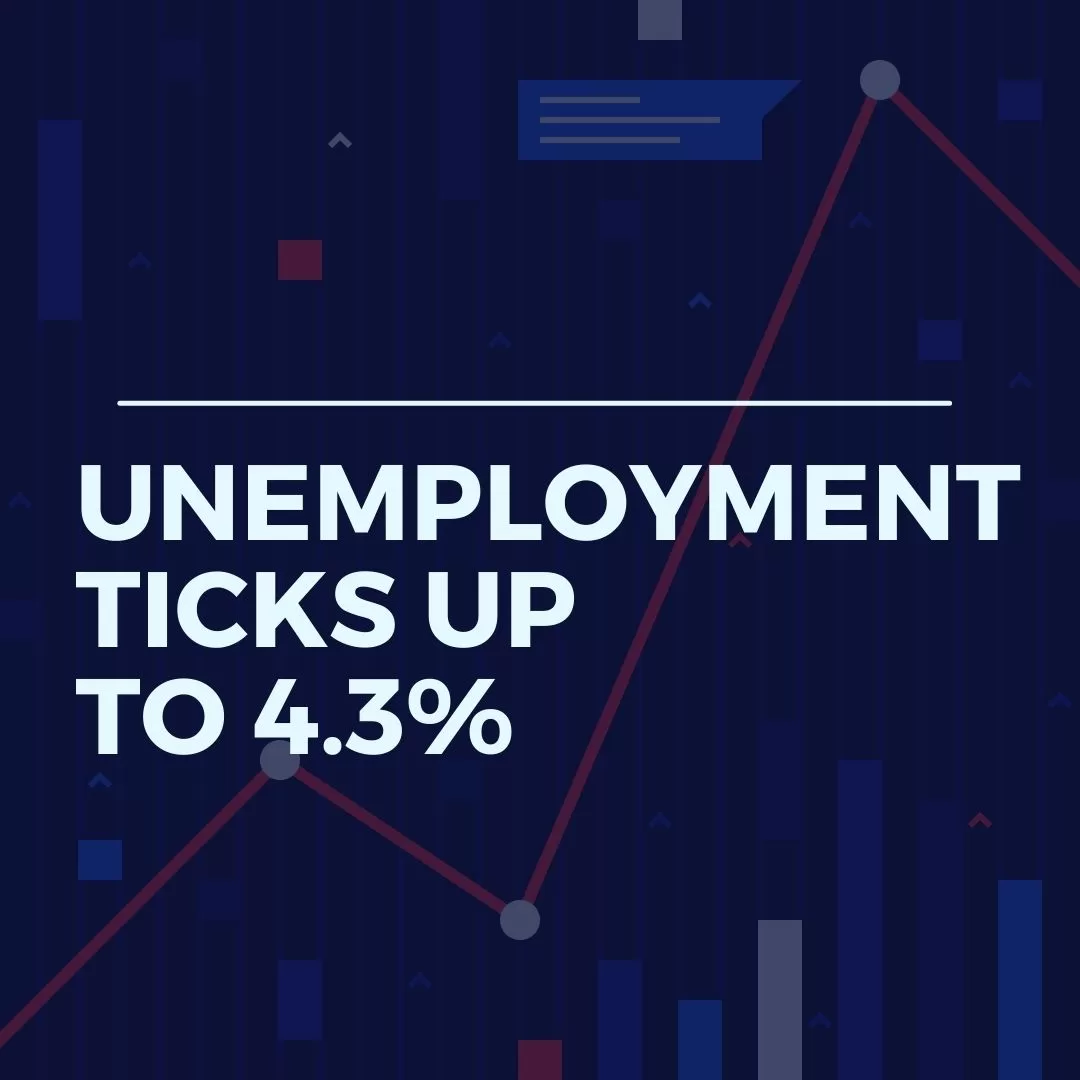
Unemployment Rises to 4.3% as Hiring Slows, Missing Expectations
The unemployment rate in the United States has increased to 4.3% in the latest economic report, marking a significant uptick from the previous month’s rate of 4.0% according to the US Department of Labor. This rise in unemployment comes as a surprise to many economists and analysts, who had expected the rate to remain stable or even decrease slightly. Unemployment Rises to 4.3%
Factors Contributing to the Rise
Several factors have contributed to this increase in unemployment:
Slower Hiring Rates: Employers across various sectors have slowed their hiring processes. Companies are taking a more cautious approach due to economic uncertainties, leading to fewer job openings.
Economic Uncertainty: Ongoing economic uncertainties, including concerns about inflation, supply chain disruptions, and geopolitical tensions, have made businesses hesitant to expand their workforce.
Sector-Specific Challenges: Certain industries, such as technology and manufacturing, have faced specific challenges that have led to layoffs and hiring freezes. For instance, the tech sector has seen significant cutbacks due to reduced consumer spending on electronics and services.
Impact on the Economy
The rise in unemployment has several implications for the broader economy:
Consumer Confidence: Increased unemployment often leads to a decline in consumer confidence, as people become more concerned about job security and future economic prospects. This can result in reduced consumer spending, which is a critical driver of economic growth.
Business Investment: Higher unemployment can also affect business investment decisions. Companies may delay or scale back investments in new projects and expansions, further slowing economic growth.
Policy Response: The increase in unemployment could prompt a response from policymakers, including potential adjustments to interest rates or the introduction of new economic stimulus measures to support job growth and economic stability.
Looking Ahead
Economists will closely monitor upcoming economic data to determine whether this rise in unemployment is a temporary blip or indicative of a longer-term trend. Key indicators to watch include job creation numbers, wage growth, and consumer spending patterns.
Conclusion
The unexpected rise in the unemployment rate to 4.3% underscores the complexities and uncertainties facing the U.S. economy. While the increase poses challenges, it also highlights the need for adaptive strategies from both businesses and policymakers to navigate the evolving economic landscape.
In the ebb and flow of the global economy, job layoffs are often a harsh reality. Despite efforts to maintain stability, companies occasionally face circumstances that necessitate workforce reductions. The year 2024 has been no exception, with several prominent organizations undergoing restructuring that led to employee terminations. These events serve as poignant reminders of the volatile nature of modern business landscapes and offer valuable lessons for both employers and employees alike. Navigating the Waves of Job Layoffs: Lessons from Companies in 2024
In early 2024, Tesla, the innovative electric vehicle manufacturer, announced a significant workforce reduction. The decision came as part of the company’s strategic shift towards enhancing operational efficiency and focusing on core business priorities. While Tesla cited reasons such as streamlining processes and adapting to market dynamics, the move nonetheless impacted a notable portion of its workforce. This underscores the importance of agility in responding to industry changes, albeit with sensitivity towards affected employees.
Another notable instance occurred in the hospitality sector, with Airbnb announcing layoffs in response to evolving market conditions. The company, known for its disruptive approach to accommodation services, faced headwinds amid shifting consumer preferences and regulatory pressures. Consequently, Airbnb made the difficult decision to downsize certain divisions, aligning its resources with strategic objectives. This highlights the imperative for businesses to anticipate and adapt to market disruptions proactively.
In a bid to streamline operations and foster innovation, IBM embarked on a restructuring initiative in 2024. The technology giant aimed to realign its workforce to focus on emerging technologies such as artificial intelligence and cloud computing. While these efforts signaled IBM’s commitment to remaining competitive in a rapidly evolving tech landscape, they also resulted in workforce reductions. The case of IBM underscores the importance of balancing short-term adjustments with long-term strategic vision.
Even stalwarts of the retail industry were not immune to the winds of change. In 2024, Walmart, the world’s largest retailer, announced layoffs affecting certain corporate positions. The decision came amidst a broader transformation aimed at enhancing operational efficiency and accelerating digital initiatives. Despite its formidable market presence, Walmart recognized the need to adapt to shifting consumer behaviors and technological advancements, albeit with implications for its workforce.
Key Takeaways for Businesses and Employees
The aforementioned instances of job layoffs in 2024 offer valuable insights for businesses and employees navigating turbulent waters:
1. Adaptability is Paramount: Companies must remain agile in responding to market dynamics, embracing change as an opportunity for growth rather than solely a challenge to be endured.
2. Strategic Vision Guides Decision-making: While short-term adjustments may be necessary, organizations must align workforce decisions with long-term strategic objectives to ensure sustained relevance and competitiveness.
3. Prioritize Employee Support: Amidst restructuring efforts, companies should prioritize supporting affected employees through comprehensive transition assistance programs, including retraining and outplacement services.
4. Resilience and Upskilling: Employees, on their part, should cultivate resilience and invest in upskilling to remain adaptable in dynamic job markets, enhancing their employability and future prospects.
In conclusion, job layoffs in 2024 serve as poignant reminders of the inherent volatility of modern business environments. By embracing adaptability, maintaining strategic foresight, and prioritizing employee support, companies can navigate these challenges while fostering resilience and sustainable growth. Similarly, employees can seize opportunities for self-improvement and skill development, empowering themselves to thrive amidst change. Ultimately, in the ever-changing landscape of work, the ability to weather storms and emerge stronger lies in our collective capacity to evolve and innovate.
Contains information related to marketing campaigns of the user. These are shared with Google AdWords / Google Ads when the Google Ads and Google Analytics accounts are linked together.
90 days
__utma
ID used to identify users and sessions
2 years after last activity
__utmt
Used to monitor number of Google Analytics server requests
10 minutes
__utmb
Used to distinguish new sessions and visits. This cookie is set when the GA.js javascript library is loaded and there is no existing __utmb cookie. The cookie is updated every time data is sent to the Google Analytics server.
30 minutes after last activity
__utmc
Used only with old Urchin versions of Google Analytics and not with GA.js. Was used to distinguish between new sessions and visits at the end of a session.
End of session (browser)
__utmz
Contains information about the traffic source or campaign that directed user to the website. The cookie is set when the GA.js javascript is loaded and updated when data is sent to the Google Anaytics server
6 months after last activity
__utmv
Contains custom information set by the web developer via the _setCustomVar method in Google Analytics. This cookie is updated every time new data is sent to the Google Analytics server.
2 years after last activity
__utmx
Used to determine whether a user is included in an A / B or Multivariate test.
18 months
_ga
ID used to identify users
2 years
_gali
Used by Google Analytics to determine which links on a page are being clicked
30 seconds
_ga_
ID used to identify users
2 years
_gid
ID used to identify users for 24 hours after last activity
24 hours
_gat
Used to monitor number of Google Analytics server requests when using Google Tag Manager