Home Sales Take a January Dip: What Does It Mean for the Market?

Home Sales Take a January Dip: What Does It Mean for the Market?

The housing market, often a dynamic and unpredictable beast, just delivered a notable headline: home sales in January experienced their most significant monthly decline in nearly four years. This news might spark a bit of anxiety for some, and perhaps a glimmer of hope for others. But what’s truly behind this downturn, and what could it signal for the months ahead?

The housing market, often a dynamic and unpredictable beast, just delivered a notable headline: home sales in January experienced their most significant monthly decline in nearly four years. This news might spark a bit of anxiety for some, and perhaps a glimmer of hope for others. But what's truly behind this downturn, and what could it signal for the months ahead?

According to recent reports, the seasonally adjusted annual rate of existing home sales saw a substantial drop last month. This marks a notable shift after a period where the market showed some signs of stabilizing, or even modest recovery, in late 2023.

What’s Driving the Decline?

Several factors are likely at play in this January slump:

  • Mortgage Rate Volatility: While rates have come down from their peaks, they’ve also experienced some upward swings, creating uncertainty for prospective buyers. Higher rates directly impact affordability, pushing some buyers to the sidelines.
  • Persistent Inventory Shortages: Despite the dip in sales, the fundamental issue of low housing inventory remains a significant challenge in many areas. Fewer homes on the market mean less choice for buyers, and can still keep prices elevated, even with softening demand.
  • Seasonal Slowdown (Exacerbated): January is typically a slower month for real estate activity due to holidays and winter weather. However, the magnitude of this decline suggests more than just a typical seasonal lull. It could indicate that underlying market pressures are intensifying.
  • Affordability Challenges: The combination of elevated home prices and higher interest rates continues to stretch buyer budgets thin. For many, especially first-time homebuyers, the dream of homeownership remains a distant one.
  • Economic Uncertainty: Broader economic concerns, even if subtle, can influence consumer confidence. Worries about inflation, job security, or a potential recession can lead people to postpone major financial decisions like buying a home.

Is This the Start of a Larger Trend?

It’s crucial not to jump to conclusions based on a single month’s data. Real estate markets are complex and influenced by numerous variables. However, a decline of this magnitude certainly warrants close attention.

  • Potential for Price Adjustments: A sustained drop in demand, particularly if inventory levels begin to rise, could eventually lead to more significant price corrections in some markets. Buyers who have been waiting for prices to come down might see this as a positive sign.
  • Opportunity for Buyers? For those who are financially secure and ready to buy, a less competitive market could present opportunities. Fewer bidding wars and potentially more negotiating power could be on the horizon if the trend continues.
  • Impact on Sellers: Sellers might need to adjust their expectations. Pricing strategically and ensuring homes are in top condition will become even more critical in a market where buyers have more leverage.

Looking Ahead

The coming months will be telling. We’ll need to watch several key indicators:

  • Mortgage Rate Movements: Any significant and sustained drop in interest rates would likely bring buyers back into the market.
  • Inventory Levels: A notable increase in homes for sale would help alleviate pressure and potentially lead to more balanced market conditions.
  • Economic Data: Broader economic health, including inflation and employment figures, will continue to play a role in consumer confidence and housing demand.

While January’s numbers present a cautious start to the year for the housing market, they also highlight the ongoing adjustments and recalibrations happening. Whether this dip is a temporary blip or a harbinger of more significant changes remains to be seen, but it’s a clear reminder that the real estate landscape is always evolving.

Contact Factoring Specialist, Chris Lehnes

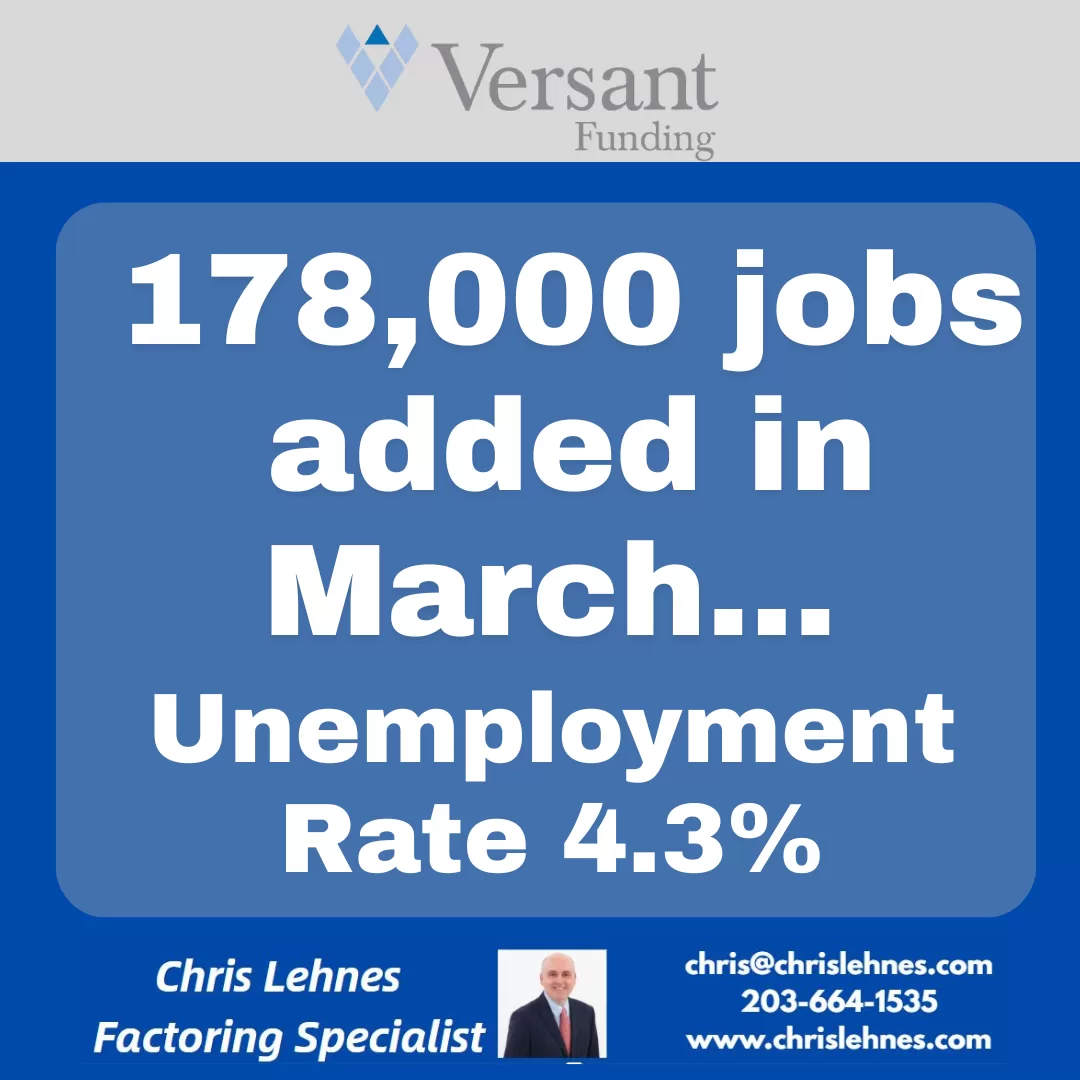
U.S. Added 130,000 Jobs in January – More than expected

The U.S. labor market began 2026 with a surprising burst of energy, shaking off a sluggish 2025. According to the latest data from the Bureau of Labor Statistics (BLS) released on February 11, 2026, employers added 130,000 jobs in January—easily doubling December’s figures and blowing past economist expectations of roughly 70,000.

While the report was delayed by a week due to a brief federal government shutdown, the results suggest that the “hiring fatigue” seen late last year might be beginning to thaw.

U.S. Added 130,000 Jobs in January - More than expected

The Numbers at a Glance

The January report offers a mix of resilience and necessary context for the year ahead:

  • Total Jobs Added: 130,000 (up from a revised 50,000 in December).
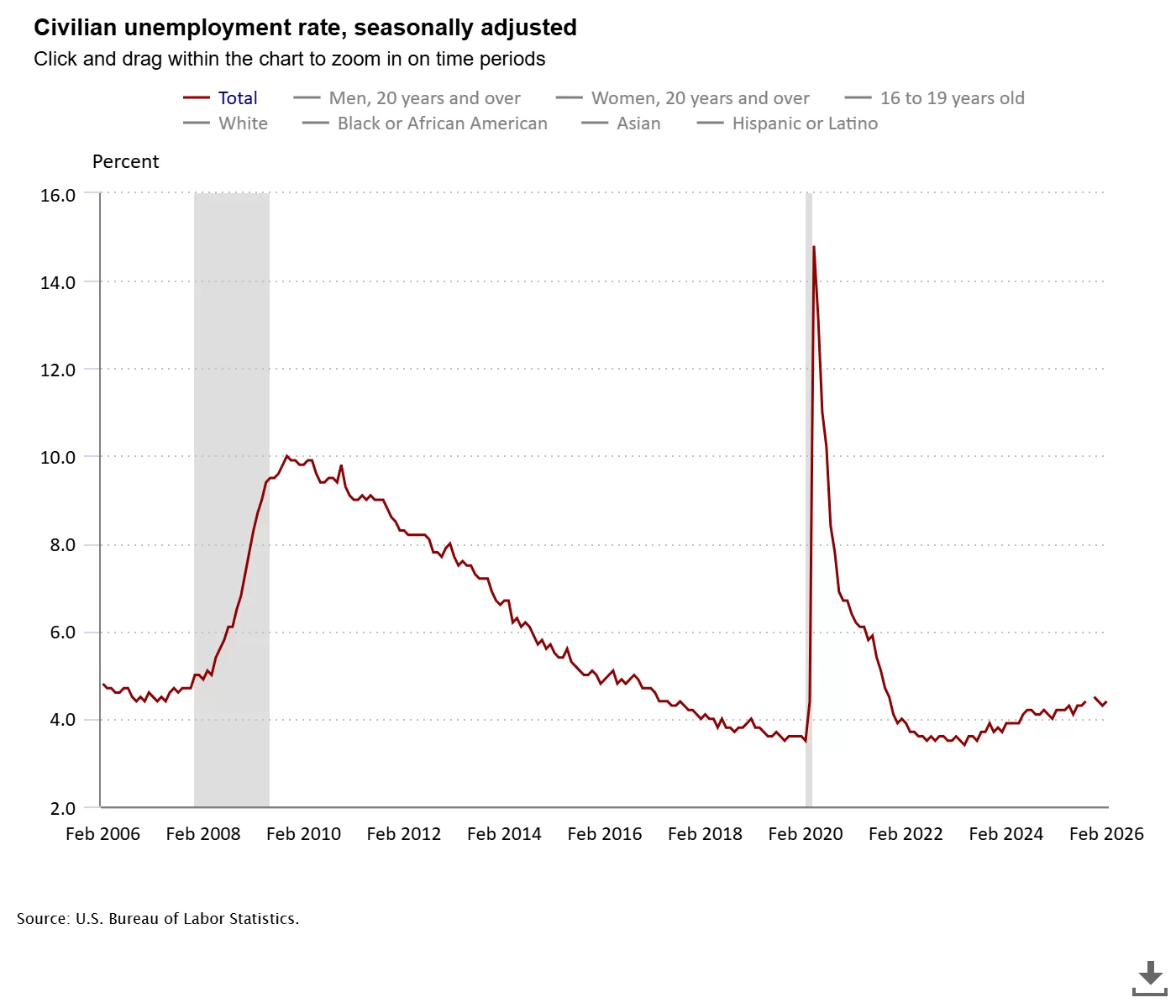
  • Unemployment Rate: Ticked down to 4.3% (from 4.4%).
  • Average Hourly Earnings: Rose by 0.4% in January, bringing the year-over-year increase to 3.7%.
  • Labor Force Participation: Remained steady at 62.5%.

Sector Winners and Losers

The growth wasn’t uniform across the board. In fact, a few key sectors carried the heavy lifting for the entire economy:

  1. Healthcare & Social Assistance: This sector remains the titan of the U.S. job market, adding 124,000 jobs (82k in healthcare and 42k in social assistance).
  2. Construction: Added a solid 33,000 jobs, largely driven by nonresidential specialty trade contractors.
  3. The Tech & White-Collar Slump: Conversely, professional and business services and manufacturing continued to struggle, reflecting ongoing shifts in AI implementation and trade policy impacts.
  4. Government: Federal employment saw a decline, partly a ripple effect of recent policy shifts and the temporary shutdown.
Employment growth is entirely due to on sector.The rest of the economy is shedding jobs.

Why This Matters

After a tumultuous 2025—which was recently revised to show only 181,000 total jobs added for the entire year—this January figure is a massive sigh of relief. It suggests that while the economy isn’t sprinting, it’s found its footing.

“The January gains are a sign that the labor market is stabilizing,” says one economist. “However, the high concentration of growth in healthcare suggests a ‘one-legged stool’ economy that we need to watch closely.”

Looking Ahead

While 130,000 jobs is a “stronger footing,” the market remains complex. Layoffs in high-profile sectors like tech and transportation (notably Amazon and UPS) dominated January headlines, yet the aggregate data shows that other sectors are more than absorbing that displaced talent.

For job seekers, the message is clear: the opportunities are there, but they have shifted. Strategic hiring is the theme of 2026, with a high premium on specialized skills in healthcare, infrastructure, and adaptive technologies.


The January jobs report has effectively shifted the narrative for the Federal Reserve. While the 130,000 jobs added might seem modest by historical standards, it was a significant “beat” compared to expectations, and it has given the Fed a reason to tap the brakes on further interest rate cuts.

Here is how the latest data is influencing the Fed’s next move:

1. From “Easing” to “Holding”

Following three consecutive rate cuts in late 2025, the Federal Reserve held rates steady at its January 28, 2026 meeting, maintaining the federal funds rate at 3.5% to 3.75%. This jobs report reinforces that “pause.”

  • The Consensus: With the unemployment rate ticking down to 4.3% and job growth doubling December’s numbers, there is no longer an “emergency” need to stimulate the economy.
  • Market Sentiment: Before this report, some traders were betting on a March cut. Now, CME FedWatch tools show those odds have plummeted, with the consensus moving toward a “higher for longer” stance through at least the first half of the year.

2. Emerging Internal Division

The Fed is no longer acting in total unison. The January meeting saw a rare 10-2 vote, with two dissenting members actually pushing for another 25-basis-point cut due to lingering concerns about long-term hiring weakness.

  • The Hawks: Officials like Cleveland Fed President Beth Hammack and Dallas Fed President Lorie Logan have signaled that the Fed should “err on the side of patience,” arguing that current rates are “neutral”—neither helping nor hurting the economy.
  • The Doves: Those worried about the “one-legged stool” (growth coming only from healthcare) fear that without more cuts, sectors like tech and manufacturing will continue to bleed jobs.

3. The “Neutral Rate” Debate

Chair Jerome Powell recently noted that the economy is on a “firm footing” entering 2026. Analysts now believe the Fed is searching for the neutral rate—the sweet spot where inflation stays at 2% without triggering a recession.

  • Because average hourly earnings rose 0.4% in January (3.7% annually), the Fed is wary that cutting rates too soon could reignite inflation, especially with potential new trade tariffs on the horizon.

Key Dates to Watch

EventDateSignificance
January CPI ReportFeb 13, 2026Will confirm if the wage growth in the jobs report is driving up prices.
Fed “Beige Book”Mar 4, 2026Regional reports on how small businesses are actually feeling.
Next FOMC MeetingMar 17-18, 2026The next formal window for a rate change decision.

For a small business owner, the January jobs report isn’t just about hiring statistics—it’s a leading indicator for the cost of your next loan or line of credit.

Following the stronger-than-expected labor data, the Federal Reserve has hit “pause” on interest rate cuts. For businesses at Versant Funding and across the U.S., this means a period of “stabilized high” borrowing costs. Here is what your business needs to know to navigate the financial landscape of early 2026.


2026 Borrowing Outlook: The “Data-Driven” Pause

The Fed began 2026 by holding the federal funds rate steady at 3.5% to 3.75%. While the market had hoped for more aggressive easing, the surge of 130,000 new jobs in January has signaled to policymakers that the economy is not yet in need of more “cheap money.”

Current Lending Rates (As of February 2026)

Loan TypeTypical APR RangeKey Note
SBA 7(a) Loans9.75% – 14.75%Variable rates fluctuate with the Prime Rate (currently 6.75%).
SBA 504 Loans5% – 7%Fixed-rate; best for long-term real estate or equipment.
Business Lines of Credit10% – 28%Vital for seasonal inventory and payroll gaps.
Accounts Receivable Factoring24% – 36%High speed; based on invoice value rather than credit score.

Three Strategies for Small Businesses

With rates unlikely to drop significantly before the summer, owners should shift from “waiting for better rates” to “optimizing current cash flow.”

  1. Prioritize Variable-Rate Debt: If you are carrying an SBA 7(a) loan or a variable line of credit, your payments will remain flat for now. Use this stability to pay down principal where possible, as the “higher for longer” stance means interest costs won’t be melting away anytime soon.
  2. Look for “Mission-Driven” Financing: In 2026, the SBA is waiving guarantee fees for certain small manufacturers (NAICS 31-33). If your business fits this category, you could save thousands in upfront costs regardless of the interest rate.
  3. Leverage Asset-Based Lending: If traditional bank term loans are too restrictive, consider Invoice Factoring or Equipment Financing. These options often focus more on the value of your assets (your unpaid invoices or machinery) than on the Fed’s baseline rates, providing more predictable access to capital during economic volatility.

The Bottom Line

The “stronger footing” of the U.S. labor market is a double-edged sword: it proves consumer demand is resilient, but it keeps the cost of capital elevated. For 2026, the most successful businesses will be those that prioritize liquidity and debt structure over simply chasing the lowest rate.

U.S. Added 130,000 Jobs in January - More than expected

Contact Factoring Specialist, Chris Lehnes

The “Degree Dilemma”: Why the Class of 2026 is Facing a Tougher Employment Landscape

For decades, the path to employment followed a predictable script: graduate high school, earn a four-year degree, and step into a stable career. But for the Class of 2026 and other recent grads, that script has been heavily revised.

While the national unemployment rate remains relatively stable, a closer look reveals a “white-collar friction” that is hitting young graduates particularly hard. Recent data suggests that unemployment for workers aged 22–27 is significantly higher than for the general population, with some reports showing rates as high as 5.3% to 5.7% for new degree holders compared to just 2.5% for their more experienced counterparts.

Why is the “college advantage” seemingly cooling off? Here are the primary factors reshaping the entry-level landscape.

Why the Class of 2026 is Facing a Tougher Employment Landscape. For decades, the path to adulthood followed a predictable script: High School diploma to college

1. The “Bottom Rung” is Being Automated

Perhaps the most significant shift in 2026 is the impact of Generative AI. Historically, junior roles involved “intellectually mundane” tasks: drafting reports, organizing data, or basic coding. These were the “training wheels” of a career.

Today, AI agents handle these tasks with 90% accuracy in seconds.

  • The Result: Companies are becoming more “top-heavy.” They still need experienced managers to oversee AI, but they need fewer junior employees to do the legwork.
  • The Crunch: Entry-level hiring has seen double-digit declines in sectors like tech and finance, as firms use AI to boost productivity without expanding their headcount.

2. The Great “Stay Put” (Low Churn)

In a healthy economy, people switch jobs, creating “openings” at the bottom for new talent. In 2026, we are seeing a collapse in voluntary job switching.

“Workers are holding onto their roles because the market feels risky; as a result, the natural ‘churn’ that usually pulls recent grads into the workforce has stalled.”

When mid-level employees don’t move up or out, the entry-level pipeline remains clogged.

3. The Rising “Skills Gap” vs. Academic Focus

There is a growing disconnect between what is taught in the classroom and what is required in a modern office.

  • The Degree is the Baseline, Not the Finish Line: Employers are shifting toward skills-based hiring. According to NACE, 70% of employers now prioritize specific technical skills and AI fluency over the prestige of the degree itself.
  • Experience Over Everything: Job postings that once asked for 0–2 years of experience are increasingly demanding 3+ years or specific internships. For a recent grad, this creates the classic paradox: You can’t get the job without experience, but you can’t get experience without the job.

4. Market Saturation

We are currently seeing the result of “education-neutral” growth. The supply of college graduates has increased steadily, but demand for roles that specifically require a degree has leveled off. This has led to a rise in underemployment, where graduates find themselves in roles that don’t actually require their hard-earned credentials.


What Can Grads Do?

The market is tougher, but it isn’t closed. To stand out in the current environment, graduates must:

  1. Prioritize AI Literacy: It’s no longer a “plus”; it’s a requirement. Show how you use AI to work faster and smarter.
  2. Focus on “Human-Centric” Skills: Emphasize critical thinking, complex problem solving, and emotional intelligence—things AI still struggles to replicate.
  3. Treat Internships as Essential: In 2026, an internship is often the only way to bypass the “3 years of experience” requirement.

Contact Factoring Specialist, Chris Lehnes

Sluggish Job Growth to Kick Off 2026

The Sluggish Job Growth of the U.S. labor market is currently sending mixed signals that lean toward the “rough” side. After months of subtle hiring freezes and quiet cutbacks, the dam has seemingly broken, leading to a wave of high-profile layoff announcements that have left both job seekers and investors on edge.

Sluggish Job Growth to Kick Off 2026

From “Quiet Quitting” to “Quiet Hiring”… to Just “Quiet”

Last year, the narrative was dominated by “labor hoarding”—companies holding onto staff despite economic uncertainty. That trend has officially cooled. What we are seeing now is a three-phase retraction:

  1. The Big Freeze: Before the layoffs began, many firms implemented unannounced hiring freezes. If you noticed your applications disappearing into a “black hole” in Q4, you weren’t imagining it.
  2. The Strategic Cut: We’ve moved past the “growth at all costs” mindset of the early 2020s. Companies are now optimizing for efficiency, which often means trimming middle management and non-core departments.
  3. Market Rattling: These moves aren’t just affecting workers; they’re making Wall Street twitchy. While layoffs sometimes boost stock prices in the short term by promising better margins, a systemic pullback in hiring signals a lack of confidence in broader consumer spending.

Why is this happening now?

It’s a perfect storm of economic factors. Interest rates remain a point of contention, and the “higher for longer” reality has finally forced CFOs to tighten the belt. Additionally, the rapid integration of AI and automation is no longer a futuristic concept—it’s actively reshaping how companies budget for human capital.

Key Takeaway: The power dynamic has shifted. We are no longer in the “Great Resignation” era where candidates held all the cards. We are in an “Employer’s Market” characterized by high competition and rigorous vetting.


Survival Tips for the 2026 Job Seeker

If you’re currently in the trenches or worried about your role, “rough” doesn’t have to mean “impossible.” Here is how to adapt:

  • Focus on ‘Recession-Proof’ Skills: Lean into roles that directly impact revenue or operational efficiency.
  • Networking is the New Resume: With hiring portals frozen or flooded, a warm introduction is often the only way to bypass the digital gatekeepers.
  • Audit Your Tech Literacy: Companies are hiring for roles that can leverage new tools to do more with less. Show that you are that person.

The January chill in the job market is a sobering reminder that economic cycles are inevitable. While the headlines look daunting, history shows that these periods of contraction often lead to leaner, more resilient industries. The goal for now? Stay agile, stay informed, and keep your pulse on the shifting landscape.

Contact Factoring Specialist, Chris Lehnes

Every year, we’re told that January is the season for “new beginnings.” But for many of my colleagues and friends, 2026 started with a calendar invite that no one wants to see.

With over 100,000 layoffs announced just last month, it’s easy to feel like the ground is shifting beneath us. It’s frustrating to see companies freeze hiring right when talented people are looking for their next chapter.

What I’ve learned during market shifts like this:

  • Your job is what you do, not who you are. Resilience starts with separating your self-worth from a corporate headcount.
  • The “Hidden Market” is real. When the portals freeze, the human network thaws. Most of the hiring right now is happening through referrals and back-channel conversations.
  • Skill-stacking is the best defense. The folks I see landing roles right now are the ones who didn’t just wait—they spent the “freeze” learning how to leverage AI to make themselves a “team of one.”

If you were part of the January cuts, take a breath. The market is rough, but you are capable.

If I can help you with a referral, a resume check, or just a word of encouragement, please reach out. Let’s help each other get through the “January Chill.” ☕️👇

#CareerResilience #Leadership #JobSearch #CommunitySupport


January just delivered a wake-up call to the U.S. workforce. Here’s the “lowdown” on the slowdown:

  • 108k+: Layoffs announced in the last 31 days (the highest since ’09).
  • Record Lows: Hiring plans have hit a historic slump for Q1.
  • The Shift: Efficiency and AI-proficiency are officially the new “must-haves.”

The bottom line? The “Great Resignation” is a memory. We are now in the “Great Recalibration.”

If you’re hiring, post your roles in the comments. If you’re looking, tell us one “efficiency win” you’ve had recently. Let’s turn this feed into a resource.

#MarketUpdate #Recruiting #Hiring2026 #BusinessTrends

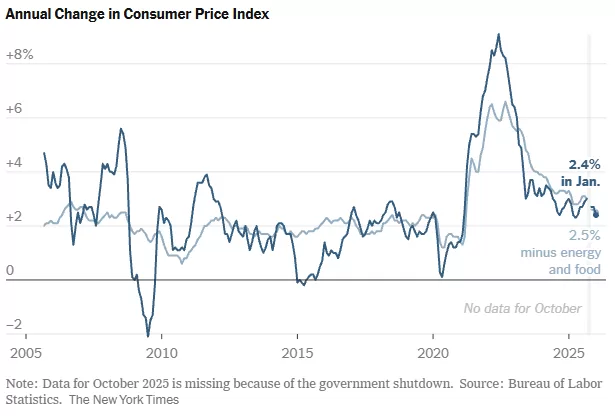
Inflation Steady at 2.7% – Consumer Prices Rising

The Inflation “Split Screen”: What December’s CPI Numbers Really Mean

Inflation Stable. The latest data is in, and it paints a picture of an economy caught between cooling pressures and political friction. In December, consumer prices rose 2.7% from a year earlier—holding steady from November and landing exactly where economists predicted.

While the “headline” number suggests stability, the story beneath the surface is much more complex. Here are the key takeaways from the final inflation report of 2025.


Inflation Stable. The latest data from the Labor Department is in, and it paints a picture of an economy caught between cooling pressures and political friction. In December, consumer prices rose 2.7% from a year earlier—holding steady from November and landing exactly where economists predicted.

1. Stability Amidst the Noise

For the second month in a row, inflation has leveled off at 2.7%. Meanwhile, “Core CPI” (which strips out volatile food and energy costs) rose 2.6%.

Interestingly, these numbers came in slightly better than the 2.8% core increase some experts feared. This suggests that despite the introduction of steep tariffs earlier in 2025, businesses haven’t yet passed the full weight of those costs onto consumers. However, the “last mile” of the journey back to the Fed’s 2% target remains stubbornly out of reach.

2. A Cloud of Data Uncertainty

This report is the first “clean” look at inflation we’ve had in months. Following a government shutdown last fall, the Labor Department had to rely on technical workarounds to fill data gaps.

  • The “Payback” Effect: Many economists believe November’s figures may have been artificially low due to those data collection issues.
  • The Verdict: While December’s numbers didn’t spike as much as feared, they likely reflect a correction for the missing data from previous months.

3. The Fed’s High-Stakes Balancing Act

The Federal Reserve is currently navigating a “split screen” economy. On one hand, growth remains solid; on the other, the labor market has cooled significantly. In fact, 2025 saw the lowest pace of job growth since 2003 (excluding major recessions).

The Fed cut rates three times at the end of 2025 to support the job market, but officials are now divided. With inflation still above 2%, some are hesitant to keep cutting—especially as they watch for the inflationary impact of the One Big Beautiful Bill Act and ongoing investments in AI.

4. Politics vs. Policy

Perhaps the most unusual backdrop to this report is the unprecedented political pressure on independent agencies.

  • The Labor Department: Its commissioner was fired in August amidst claims of “rigged” numbers.
  • The Fed: Chair Jerome Powell recently alleged that the administration has used threats of criminal prosecution to pressure the board into lowering interest rates.

What’s Next?

As we head into 2026, all eyes are on January and February. This is traditionally when businesses reset their pricing for the year. Whether they will hike prices to account for tariffs and tax-cut-driven demand remains the big question.

For now, the “meandering path” toward lower inflation continues, but with a cooling job market and political volatility, the road ahead looks anything but smooth.

December CPI: Actual vs. Expected

MeasureActualExpectedStatus
Headline CPI (Year-over-Year)$2.7\%$$2.7\%$In Line
Core CPI (Year-over-Year)$2.6\%$$2.8\%$Lower than Expected
Headline CPI (Month-over-Month)$0.3\%$$0.3\%$In Line
Core CPI (Month-over-Month)$0.2\%$$0.3\%$Lower than Expected

Contact Factoring Specialist, Chris Lehnes

Venezuelan Oil Paradox. Now what?

The start of 2026 has brought one of the most significant shifts in the energy sector in decades. With the recent capture of Nicolás Maduro on January 3, 2026, and the subsequent move by the U.S. administration to overhaul Venezuela’s energy infrastructure, the global oil market is facing a new “Venezuelan Paradox.”

Venezuelan Oil Paradox. Now what? The start of 2026 has brought one of the most significant shifts in the energy sector in decades. With the recent capture of Nicolás Maduro on January 3, 2026, and the subsequent move by the U.S. administration to overhaul Venezuela’s energy infrastructure, the global oil market is facing a new "Venezuelan Paradox."

While Venezuela holds the world’s largest proven oil reserves—estimated at over 303 billion barrels—its actual impact on the global market is currently a tug-of-war between massive long-term potential and a short-term supply glut.


1. The Immediate Shock: Volatility vs. the “Glut”

In the days following the January 3rd intervention, oil prices saw a brief “short squeeze” as traders priced in geopolitical risk, with prices nudging toward $60/barrel. However, the broader market remains in a state of oversupply.

Experts from J.P. Morgan and the IEA highlight that the market is currently facing a significant supply glut. Brent crude is forecasted to average around $58/barrel for the remainder of 2026. Because the world is already well-supplied by U.S. shale and Guyana, the return of Venezuelan barrels acts as a “bearish” weight on prices rather than a catalyst for a spike.

2. The Production Road Map: From 800k to 1.4M

As of early 2026, Venezuela’s production sits between 750,000 and 960,000 barrels per day (bpd). While the U.S. Department of Energy (DOE) is already moving to release millions of barrels of “sanctioned oil” held in floating storage, actual production growth will take time.

  • Short-term (End of 2026): Production could realistically ramp up to 1.1–1.2 million bpd if sanctions are selectively rolled back to allow for infrastructure repairs.
  • Medium-term (2027-2028): With sustained investment from firms like Chevron and others, output could hit 1.4 million bpd.
  • The Long Game: Reaching the historical highs of 3 million bpd is estimated to require over $100 billion in investment and at least a decade of stable governance.
Venezuelan Oil Paradox. Now what? The start of 2026 has brought one of the most significant shifts in the energy sector in decades. With the recent capture of Nicolás Maduro on January 3, 2026, and the subsequent move by the U.S. administration to overhaul Venezuela’s energy infrastructure, the global oil market is facing a new "Venezuelan Paradox."

3. Geopolitical Pivot: China’s Loss, the U.S. Gulf’s Gain

For years, Venezuela’s oil was the lifeblood of China’s “teapot” (independent) refineries, often sold at steep discounts to circumvent sanctions. That era is ending.

The U.S. administration has signaled that Venezuelan oil will now flow through “authorized channels,” prioritizing U.S. and Western markets. This creates a massive shift in trade flows:

  • U.S. Gulf Coast Refiners: These facilities were originally built to process the heavy, sour crude that Venezuela produces. They are expected to reclaim these volumes, reducing their reliance on more expensive alternatives.
  • China’s Response: Chinese refineries are likely to pivot toward Russian Urals or Iranian Heavy, potentially intensifying competition for those sanctioned grades.

4. The OPEC+ Balancing Act

Venezuela is a founding member of OPEC, but its production has been so low for so long that it has mostly been a “silent partner.” In response to the 2026 developments, OPEC+ has paused its planned output hikes for Q1 2026.

The group, led by Saudi Arabia and Russia, is wary of a “perfect storm”: a global slowdown combined with a sudden surge in Venezuelan exports. If Venezuela successfully rehabilitates its sector, OPEC+ may have to maintain deeper cuts for longer to prevent prices from sliding into the $40s.


The Bottom Line

The “Venezuelan effect” in 2026 is less about a sudden flood of oil and more about a reordering of the global energy map. For the first time in a generation, the “Western Hemisphere energy powerhouse” (U.S., Canada, Guyana, and Venezuela) looks like a unified block that could significantly challenge the pricing power of Middle Eastern and Russian suppliers.

For small businesses and consumers, this is generally good news. The presence of Venezuelan “upside risk” to supply acts as a ceiling for oil prices, likely keeping fuel and energy costs stable throughout the year.

The landscape for Venezuelan oil shifted dramatically following the capture of Nicolás Maduro on January 3, 2026.1 The U.S. administration has moved quickly to assert control over the sector, balancing long-term infrastructure goals with immediate market pressure.2

Venezuelan Oil Paradox. Now what? The start of 2026 has brought one of the most significant shifts in the energy sector in decades. With the recent capture of Nicolás Maduro on January 3, 2026, and the subsequent move by the U.S. administration to overhaul Venezuela’s energy infrastructure, the global oil market is facing a new "Venezuelan Paradox."

Here is a summary of the current U.S. policy changes and strategic directives as of January 9, 2026:

1. The “Approved Channels” Only Policy3

The U.S. has established a strict “quarantine” on all oil movements.

  • Controlled Sales: The Energy Department has mandated that the only oil allowed to leave Venezuela must flow through U.S.-approved channels.4
  • Vessel Seizures: The U.S. Coast Guard and DOJ have already begun seizing “dark fleet” tankers in the North Atlantic and Caribbean that were attempting to move sanctioned oil outside of these new channels.5
  • The 50M Barrel Release: Interim authorities have agreed to turn over 30 to 50 million barrels of existing storage to the U.S. for sale at market prices.6

2. Financial & Revenue Control

A central pillar of the new policy is the “purse strings” strategy:7

  • Escrow Accounts: Revenue from Venezuelan oil sales is being deposited into U.S.-controlled accounts at globally recognized banks.8
  • Disbursement: Funds are intended to be disbursed at the discretion of the U.S. government to support the “American and Venezuelan populations,” rather than the previous regime’s lieutenants.9
  • Conditionality: Further sanctions relief is tied to Venezuela severing all economic ties with China, Russia, Iran, and Cuba.10

3. “Selective” Sanctions Rollbacks

Instead of a broad lifting of all sanctions, the Treasury’s Office of Foreign Assets Control (OFAC) is issuing private waivers and specific licenses:11

  • Infrastructure Priority: Licenses are being granted specifically for the import of oil field equipment, parts, and services.12 This is designed to reverse decades of decay in the Orinoco Belt.
  • Diluent Imports: The U.S. is authorizing the shipment of diluents (thinners) to Venezuela, which are required to make their heavy crude liquid enough to pump through pipelines and onto tankers.13
  • Direct Waivers: Private trading firms are being granted specific waivers to resume purchases, provided the oil is sold to U.S.-based buyers.14

4. The “Private Sector Pivot”

President Trump is meeting with executives from ExxonMobil, Chevron, and others (as of Friday, Jan 9) to pitch a massive redevelopment plan:15

  • The Investment Goal: The administration is pushing for private companies to lead a $60B–$100B overhaul of the industry.
  • The Conflict: There is a stated policy goal of driving global oil prices down to $50/barrel.16 This creates a “profitability gap” for oil majors, who argue that the cost of extracting heavy Venezuelan crude may not be viable if prices fall that low.

Key Policy Benchmarks for 2026

Policy AreaCurrent Status (Jan 9, 2026)
Export StatusRestricted to U.S.-authorized channels only.
Revenue ControlHeld in U.S.-managed accounts.
New InvestmentPending private sector “buy-in” and stability guarantees.
OPEC StatusEffectively suspended from quota participation during transition.

Contact Factoring Specialist, Chris Lehnes

Briefing: The 2026 Venezuelan Oil Sector Transformation

Executive Summary

The capture of Nicolás Maduro on January 3, 2026, has triggered a fundamental and rapid transformation of Venezuela’s oil sector, creating what is termed the “Venezuelan Paradox.” While the nation possesses the world’s largest proven oil reserves at over 303 billion barrels, its immediate market impact is a bearish pressure on prices due to a global supply glut, rather than a price spike. The U.S. administration has swiftly implemented a strategy of direct control over Venezuela’s oil exports and revenue, mandating that all sales flow through “approved channels” and placing proceeds into U.S.-managed escrow accounts.

This strategic pivot is causing a significant reordering of the global energy map. U.S. Gulf Coast refiners, designed for Venezuelan heavy crude, are positioned to benefit, while China’s independent refineries lose a primary source of discounted oil. In response to the potential for increased Venezuelan supply, OPEC+ has paused planned output hikes, wary of a price collapse. The overarching outcome is the potential formation of a powerful, unified Western Hemisphere energy bloc (U.S., Canada, Guyana, and Venezuela) capable of challenging the pricing power of Middle Eastern and Russian suppliers. For consumers, this development is expected to act as a ceiling on oil prices, promoting stable energy costs through 2026.


Venezuelan Oil Paradox. Now what? The start of 2026 has brought one of the most significant shifts in the energy sector in decades. With the recent capture of Nicolás Maduro on January 3, 2026, and the subsequent move by the U.S. administration to overhaul Venezuela’s energy infrastructure, the global oil market is facing a new "Venezuelan Paradox."

1. The Venezuelan Paradox: Market Dynamics and Production Outlook

The events of early January 2026 have introduced a complex dynamic into the global oil market, defined by the conflict between Venezuela’s immense long-term potential and the immediate realities of its dilapidated infrastructure and a well-supplied global market.

Immediate Market Impact: Volatility vs. Glut

  • Initial Volatility: In the immediate aftermath of the January 3 intervention, oil prices experienced a brief “short squeeze” driven by geopolitical risk, temporarily pushing prices toward $60 per barrel.
  • Prevailing Glut: This volatility was short-lived, as the broader market remains in a state of oversupply. Analysis from J.P. Morgan and the IEA indicates a significant supply glut, reinforced by ample production from U.S. shale and Guyana.
  • Price Forecast: The re-entry of Venezuelan barrels is viewed as a “bearish” weight on the market. Brent crude is forecasted to average approximately $58 per barrel for the remainder of 2026.

Phased Production Roadmap

Venezuela’s current oil production stands between 750,000 and 960,000 barrels per day (bpd). A multi-stage recovery is anticipated, contingent on investment and stability.

  • Short-Term (End of 2026): Production could ramp up to 1.1–1.2 million bpd with selective rollbacks on sanctions to permit essential infrastructure repairs.
  • Medium-Term (2027-2028): Sustained investment from major firms like Chevron could elevate output to 1.4 million bpd.
  • Long-Term Goal: Reaching the historical peak production of 3 million bpd is a formidable challenge, estimated to require over $100 billion in capital investment and at least a decade of stable governance.

2. U.S. Strategic Control and Policy Directives

The U.S. administration has enacted a comprehensive policy framework to manage Venezuela’s oil sector, focusing on controlling exports, revenue, and the pace of redevelopment.

“Approved Channels” and Asset Control

  • Export Quarantine: The U.S. has instituted a strict policy mandating that the only oil permitted to leave Venezuela must move through U.S.-approved channels.
  • Enforcement Actions: The U.S. Coast Guard and Department of Justice have begun seizing “dark fleet” tankers in the North Atlantic and Caribbean attempting to transport sanctioned oil outside these new regulations.
  • Release of Stored Oil: Interim Venezuelan authorities have agreed to transfer 30 to 50 million barrels of oil from floating storage to U.S. control for sale at market prices.

Financial Controls and Sanctions Policy

A “purse strings” strategy is central to the U.S. approach, ensuring financial oversight and leveraging sanctions for policy goals.

  • Escrow Accounts: All revenue from authorized Venezuelan oil sales is being deposited into U.S.-controlled escrow accounts at major international banks. Funds are intended for the “American and Venezuelan populations.”
  • Conditional Relief: Further sanctions relief is explicitly tied to Venezuela severing all economic ties with China, Russia, Iran, and Cuba.
  • Selective Waivers: The Treasury’s Office of Foreign Assets Control (OFAC) is issuing private waivers and specific licenses rather than a blanket lifting of sanctions. These licenses prioritize:
    • Import of oil field equipment, parts, and services to repair the Orinoco Belt.
    • Shipment of diluents required to make Venezuela’s heavy crude transportable.
    • Waivers for private trading firms to purchase oil, provided it is sold to U.S.-based buyers.

The Private Sector Pivot and Investment Strategy

The U.S. is encouraging private investment to lead the sector’s revitalization, though a potential conflict exists between policy goals and corporate profitability.

  • Investment Goal: President Trump is actively meeting with executives from ExxonMobil, Chevron, and other firms to promote a massive redevelopment plan estimated to cost between $60 billion and $100 billion.
  • The Profitability Conflict: A stated administration policy goal is to drive global oil prices down to $50 per barrel. Oil majors have expressed concern that this price point may render the extraction of heavy Venezuelan crude unprofitable, creating a “profitability gap” that could hinder investment.

Key Policy Benchmarks (as of Jan 9, 2026)

Policy AreaCurrent Status
Export StatusRestricted to U.S.-authorized channels only.
Revenue ControlHeld in U.S.-managed accounts.
New InvestmentPending private sector “buy-in” and stability guarantees.
OPEC StatusEffectively suspended from quota participation during transition.

3. Geopolitical Realignment and Global Impact

The shift in Venezuela’s oil policy is causing a significant reordering of global energy trade flows and prompting strategic recalculations by major market players.

Shifting Trade Flows: U.S. Gulf vs. China

  • U.S. Gulf Coast Gains: Refineries along the U.S. Gulf Coast, which were originally engineered to process Venezuela’s specific grade of heavy, sour crude, are expected to be the primary beneficiaries. They can now reclaim these volumes, reducing their dependence on more expensive alternatives.
  • China’s Loss: The era of China’s “teapot” (independent) refineries sourcing heavily discounted Venezuelan crude is ending. Chinese refiners are now expected to pivot toward other sanctioned grades, such as Russian Urals or Iranian Heavy, potentially increasing competition for these barrels.

OPEC+ Response and Price Stabilization

As a founding member of OPEC, Venezuela’s potential return to significant production levels presents a challenge to the cartel’s market management strategy.

  • Preemptive Action: In response to the developments, OPEC+ (led by Saudi Arabia and Russia) has paused its planned output hikes for Q1 2026.
  • Managing the “Perfect Storm”: The group is concerned about a “perfect storm” scenario where a global economic slowdown coincides with a surge in Venezuelan exports.
  • Future Cuts: If Venezuela successfully rehabilitates its oil sector, OPEC+ may be forced to maintain deeper and longer production cuts to prevent crude prices from sliding into the $40s per barrel range.

4. Conclusion: A New Energy Landscape

The “Venezuelan effect” in 2026 is less about an immediate flood of new oil and more about a fundamental reordering of the global energy map. For the first time in a generation, a unified “Western Hemisphere energy powerhouse”—comprising the United States, Canada, Guyana, and a revitalized Venezuela—appears poised to emerge. This bloc could significantly challenge the long-held pricing power of suppliers in the Middle East and Russia. For consumers and businesses, this shift introduces substantial “upside risk” to global supply, creating a natural ceiling for oil prices and likely contributing to stable fuel and energy costs throughout the year.

US GDP Growth: A Look Ahead to 2025

Gross Domestic Product (GDP) growth rate

Let’s explore the potential trends in its Gross Domestic Product (GDP) growth rate throughout 2025. While no one has a crystal ball, we can analyze current trajectories, expert projections, and potential influencing factors to paint a picture of what lies ahead.

Gross Domestic Product (GDP) growth rate

The Current Economic Pulse (Briefly looking back at late 2024)

To understand 2025, it’s crucial to acknowledge the economic momentum (or lack thereof) leading into it. We’re likely seeing a continued moderation from the robust growth experienced in the immediate post-pandemic recovery. Inflation, while hopefully tamer, will still be a key variable, influencing consumer spending and investment. Interest rates, dictated by the Federal Reserve, will also play a significant role. Let’s imagine a snapshot of the US economy as we enter 2025.

Q1 2025: A Cautious Start?

As 2025 kicks off, many economists anticipate a period of continued cautious growth. Businesses may still be adjusting to lingering supply chain complexities and a potentially tighter labor market. Consumer spending, the bedrock of the US economy, might see moderate gains, influenced by real wage growth (or lack thereof) and household savings levels. Investment in new projects could be selective, driven by a desire for efficiency and technological advancement. We might see the GDP growth rate hover in the lower to mid-2% range during this initial quarter.

Q2 2025: Finding its Rhythm

Moving into the second quarter, we could witness the economy starting to find a more stable rhythm. Factors such as potentially easing inflationary pressures and a clearer outlook on monetary policy could provide more certainty for businesses and consumers. We might see a slight uptick in manufacturing activity and continued strength in the services sector. Technological innovation, particularly in areas like AI and green energy, could begin to show more tangible contributions to productivity.

Q3 2025: Potential for Acceleration

The third quarter often provides a good indicator of annual performance, and 2025 could see some positive momentum building. If global economic conditions stabilize and major geopolitical tensions remain subdued, US exports could see a boost. Domestically, renewed consumer confidence, perhaps fueled by a strong job market and stable prices, could lead to increased discretionary spending. Business investment might also pick up as companies look to capitalize on growth opportunities. This could be a quarter where GDP growth nudges closer to the mid-2% to even 3% range. Imagine the vibrancy of a thriving economy in full swing.

Q4 2025: A Strong Finish or Continued Moderation?

The final quarter of 2025 will be crucial in determining the overall annual growth rate. Much will depend on the preceding quarters’ performance and any new unforeseen global or domestic events. A strong holiday shopping season, robust corporate earnings, and continued investment in key sectors could lead to a solid finish. However, potential headwinds like persistent inflation or unexpected global economic slowdowns could temper growth. The Federal Reserve’s stance on interest rates will also be keenly watched. The year could conclude with growth stabilizing, setting the stage for 2026.

Key Influencing Factors for 2025:

  • Inflation and Interest Rates: The Fed’s ability to manage inflation without stifling growth will be paramount.
  • Consumer Spending: The health of the consumer, driven by wages, employment, and savings, is always a critical determinant.
  • Business Investment: Companies’ willingness to invest in expansion, R&D, and technology will fuel future growth.
  • Global Economic Health: International trade and geopolitical stability will have a ripple effect on the US economy.
  • Technological Advancement: Innovations in AI, automation, and green technologies could boost productivity.
Gross Domestic Product (GDP) growth rate

In conclusion, 2025 is shaping up to be a year of continued adaptation and potential growth for the US economy. While we can anticipate some fluctuations, a path of cautious yet steady expansion seems to be the prevailing view among many analysts. The resilience and dynamism of the American economy will undoubtedly be tested, but its capacity for innovation and recovery remains a powerful force.

Contact Factoring Specialist, Chris Lehnes

Decision Day: Will the Fed Cut Rates Again Today?

As the Federal Open Market Committee (FOMC) wraps up its final meeting of 2025 today, all eyes are on the 2:00 PM EST announcement. With the U.S. economy cooling and the labor market showing signs of strain, speculation is high that a Fed Cut in rates is imminent.

As the Federal Open Market Committee (FOMC) wraps up its final meeting of 2025 today, all eyes are on the 2:00 PM EST announcement. With the U.S. economy cooling and the labor market showing signs of strain, speculation is high that a Fed Cut in rates is imminent.

Here is a breakdown of the current predictions, the economic data driving the decision, and what odds makers are betting on.

The Consensus: A “December Cut” is Highly Likely

Market watchers are overwhelmingly pricing in a 25-basis-point (0.25%) rate cut.

According to the CME FedWatch Tool, which tracks trading in federal funds futures, there is currently an 87% probability that the Fed will lower the target range to 3.50%–3.75%. This would mark the third consecutive rate reduction, following cuts in September and October, signaling a definitive shift from fighting inflation to supporting the labor market.

Key Factors the Fed is Weighing

The Fed’s “dual mandate” requires it to balance stable prices with maximum employment. For the first time in years, the risks have shifted from overheating inflation to a cooling jobs market.

1. The Cooling Labor Market (The Primary Driver) The unemployment rate has ticked up to 4.4%, a figure that has caught the attention of Fed Chair Jerome Powell. While historically low, the steady rise suggests that high interest rates are finally biting into corporate hiring. Job growth has slowed, and layoffs in sensitive sectors have increased. The Fed is keen to avoid a “hard landing” where unemployment spikes uncontrollably.

2. Sticky but Manageable Inflation Inflation hasn’t disappeared, but it is no longer the five-alarm fire it was two years ago. The latest PCE (Personal Consumption Expenditures) data places headline inflation around 2.7%–2.9%, with core inflation hovering near 2.8%. While this is still above the Fed’s 2% target, it is trending in the right direction, giving the central bank “air cover” to cut rates to support jobs without immediately reigniting price hikes.

3. Economic Growth (GDP) GDP growth has moderated to an annualized rate of roughly 1.8%–2.0%. This suggests the economy is slowing down but not crashing—the definition of the elusive “soft landing.” A rate cut now is viewed as insurance to keep this momentum from stalling out completely in early 2026.

The “Wild Card”: A Divided Committee

Despite the high odds of a cut, this meeting is not without tension. Reports suggest the FOMC is sharply divided.

  • ** The Doves (Cut Now):** Worried that waiting too long will cause a recession. They argue that with inflation falling, real interest rates are effectively rising, tightening financial conditions more than intended.
  • The Hawks (Pause/Hold): Concerned that cutting rates too quickly could cause inflation to flare up again, especially given that the economy is still growing.

Because of this division, the language in today’s statement will be just as important as the rate decision itself. Investors should look for clues about a “pause” in January. Many analysts believe the Fed may cut today but signal a skip in the next meeting to assess the impact of recent cuts.

What to Watch For

  • 2:00 PM EST: The official statement and decision. Look for the “dot plot” (Summary of Economic Projections) to see where officials expect rates to be at the end of 2026.
  • 2:30 PM EST: Chair Jerome Powell’s press conference. His tone regarding the “balance of risks” will move markets. If he sounds more worried about jobs than inflation, it will confirm that the easing cycle has further to go.

Bottom Line

While nothing is guaranteed until the gavel falls, the smart money is on a 0.25% cut today. The Fed likely views the rising unemployment rate as a warning light it cannot ignore, making a rate reduction the prudent move to secure a soft landing for 2026.

CategoryCase for a Rate Cut (The “Doves”)Case for Holding Steady (The “Hawks”)
Labor MarketRising Risks: Unemployment has climbed to 4.4%. Doves argue that high rates are now doing unnecessary damage to hiring.Hidden Strength: Some argue the job market is “normalizing” after the post-pandemic surge rather than collapsing.
InflationProgress Made: While at 2.8%, inflation is down significantly from its peak. High “real” rates (inflation vs. interest) are overly restrictive.Sticky Prices: Inflation remains above the 2% target. Rate cuts could embolden businesses to keep prices high or raise them.
Economic GrowthGrowth is Slowing: GDP growth has dipped toward 1.8%. A cut acts as “insurance” to prevent a recession in 2026.Consumer Resilience: High durable goods spending suggests the economy is not yet in need of a stimulus.
Market ImpactEasing the Burden: Lower rates would provide immediate relief for credit card holders and small businesses facing high debt costs.Asset Bubbles: Cutting too soon could overheat the stock and housing markets, leading to a boom-bust cycle.

Contact Factoring Specialist, Chris Lehnes

Updated 5:00pm EST 12/10/25 After Fed Decision:

The Federal Reserve has decided to cut the benchmark interest rate by 25 basis points (0.25%).

This move lowers the target range for the federal funds rate to 3.50% to 3.75%. This is the third consecutive rate cut this year and was made in light of elevated inflation and a weakening labor market.

Here are the key takeaways from the announcement and Chair Jerome Powell’s press conference:

✂️ Key Interest Rate Decision

  • The Cut: The Federal Open Market Committee (FOMC) voted to lower the target range for the federal funds rate by 25 basis points to 3.50%–3.75%.
  • The Vote: The decision was not unanimous, recording a 9:3 ratio of votes.
    • One member (Stephen I. Miran) preferred a larger, 50-basis-point cut.
    • Two members (Austan D. Goolsbee and Jeffrey R. Schmid) preferred no change, keeping the rate steady.

🎙️ Key Quotes and Context from Chair Powell

Powell’s remarks focused on the shifting balance of risks and the current policy stance:

  • Rationale for the Cut:“With today’s decision, we have lowered our policy rate three-quarters of a percentage point over our last three meetings. This further normalization of our policy stance should help stabilize the labor market while allowing inflation to resume its downward trend toward 2% once the effects of tariffs have passed through.”
  • The Dual Mandate Challenge: Powell acknowledged the difficulty of balancing the Fed’s two goals (maximum employment and price stability):”In the near term, risks to inflation are tilted to the upside and risks to employment to the downside—a challenging situation… We have one tool. It can’t do both of those—you can’t address both of those at once.”
  • Forward Guidance (What’s Next): The Fed indicated a cautious, data-dependent approach moving forward:”In considering the extent and timing of additional adjustments to the target range for the federal funds rate, the Committee will carefully assess incoming data, the evolving outlook, and the balance of risks.” When asked about a pause, Powell suggested the policy rate is now close to the “neutral” level: He indicated that the Fed’s benchmark rate is now likely somewhere close to the “neutral” level… which certainly indicates that he won’t be in a hurry to extend the string of cuts the Fed has made in recent months.
  • Economic Outlook and Projections (“Dot Plot”): The latest projections indicated a divided committee on future cuts.
    • The median Fed official is penciling in one rate cut for next year (2026), which is a more cautious outlook than some market expectations.
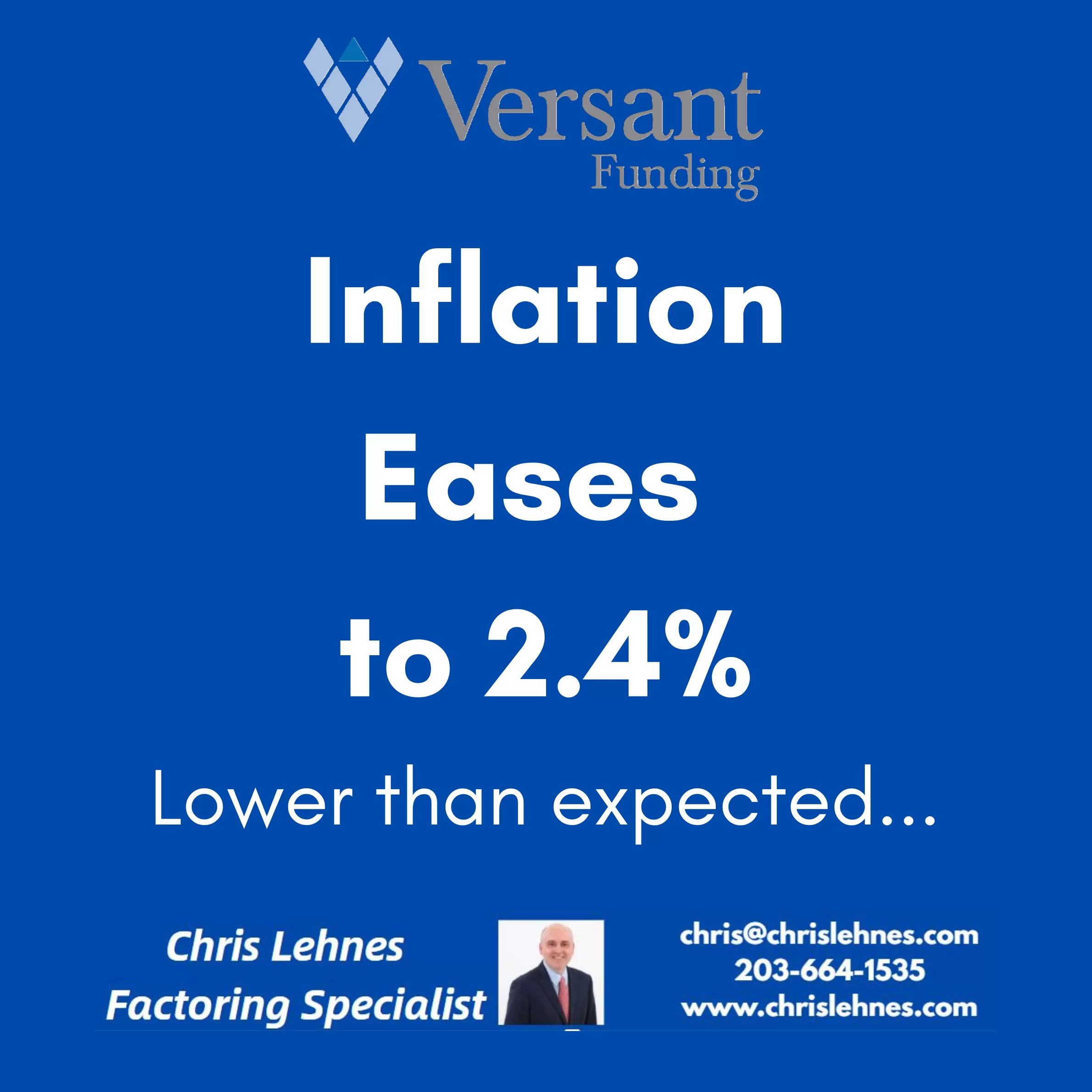
    • The Fed projects inflation (based on its preferred gauge) to ease to 2.4% by the end of 2026.

Based on the immediate market data and analyst reactions following the 2:00 PM announcement, here is how the decision is impacting mortgage rates and the stock market.

🏠 Impact on Mortgage Rates

The Verdict: Rates may hold steady or even tick up slightly, despite the Fed cutting rates.

  • Counter-Intuitive Movement: It often surprises borrowers, but mortgage rates do not move 1-for-1 with the Fed’s rate. Mortgage rates track the 10-year Treasury yield, which actually rose today (hitting roughly 4.21%).
  • Why? The market had already “priced in” this cut weeks ago. Investors are now looking ahead to 2026. Because the Fed signaled a slower pace for future cuts (a “hawkish cut”), bond markets reacted by pushing long-term yields higher.
  • Forecast: Experts expect 30-year fixed mortgage rates to hover in the low-to-mid 6% range for now. A significant drop below 6% is unlikely until investors see clearer signs that inflation is permanently defeated.

📈 Impact on the Stock Market

The Verdict: A “Santa Claus Rally” is likely, but 2026 looks choppier.

  • Immediate Reaction: The S&P 500 and Dow Jones both rose following the news, pushing close to all-time highs. The market “got what it wanted”—a cut to support the economy without panic.
  • Sector Watch:
    • Small Caps (Russell 2000): Often benefit most from rate cuts as they rely more on floating-rate debt.
    • Tech & Growth: Continued to show strength, though valuations remain high.
  • 2026 Outlook: The Fed’s “dot plot” shows they plan to slow down, potentially cutting rates only once in 2026. This is fewer cuts than Wall Street hoped for, which suggests the “easy money” rally might face headwinds early next year as recession risks are still on the table (J.P. Morgan analysts cite a 35% recession probability for 2026).
AreaShort-Term Forecast (Dec ’25)Why?
Mortgage RatesSteady / Slight RiseThe cut was already priced in; long-term bond yields are rising.
StocksBullish (Rally)The “soft landing” narrative is intact; investors are relieved.
Savings AccountsSlight DropHigh-yield savings rates will drop almost immediately by ~0.25%.

Fed Rate Cut 25 Basis Points – December Cut Expected

Federal Reserve Monetary Policy and Leadership Outlook

Executive Summary

The Federal Reserve has implemented its second consecutive monthly interest rate cut, lowering the target range by a quarter-point to 3.75%-4.0%. The 10-2 vote by the Federal Open Market Committee (FOMC) highlights internal division among policymakers regarding the path of monetary policy, a decision made amidst sustained pressure from President Donald Trump for more aggressive easing. The outlook for future cuts remains uncertain, complicated by an ongoing federal government shutdown that has postponed the release of critical economic data on inflation and unemployment. Despite this data blackout, investor sentiment currently favors another quarter-point reduction in December, supported by recent private-sector reports indicating a “softening” labor market. Concurrently, the administration is actively considering a successor for Fed Chair Jerome Powell, whose term expires in May 2026, with a list of five candidates being prepared for the President’s review.

The Federal Reserve has implemented its second consecutive monthly interest rate cut, lowering the target range by a quarter-point to 3.75%-4.0%. The 10-2 vote by the Federal Open Market Committee (FOMC) highlights internal division among policymakers regarding the path of monetary policy, a decision made amidst sustained pressure from President Donald Trump for more aggressive easing. The outlook for future cuts remains uncertain, complicated by an ongoing federal government shutdown that has postponed the release of critical economic data on inflation and unemployment. Despite this data blackout, investor sentiment currently favors another quarter-point reduction in December, supported by recent private-sector reports indicating a "softening" labor market. Concurrently, the administration is actively considering a successor for Fed Chair Jerome Powell, whose term expires in May 2026, with a list of five candidates being prepared for the President's review.

——————————————————————————–

I. October 2025 Interest Rate Decision

The Federal Open Market Committee (FOMC) voted on Wednesday, October 29, 2025, to lower its benchmark interest rate, marking the second straight month of monetary easing.

  • Rate Adjustment: The committee approved a quarter-point reduction.
  • New Target Range: The interest rate is now set to a range between 3.75% and 4.0%.
  • Previous Target Range: This is down from the 4.0% to 4.25% range established at the previous month’s meeting.
  • Committee Vote: The decision passed with a 10-2 vote, indicating some dissent among policymakers regarding the move.

II. Influencing Factors and Economic Context

The Fed’s decision-making process is being influenced by a combination of political pressure, economic data limitations, and emerging concerns about the labor market.

A. Political Pressure

  • The rate cut follows months of public pressure and criticism from President Donald Trump.
  • The President has been advocating for steeper and more aggressive cuts to monetary policy.

B. Economic Data Blackout

  • An ongoing federal government shutdown has significantly hampered the Fed’s ability to assess the U.S. economy’s health.
  • Key economic reports, including those on inflation and unemployment, have been postponed.
  • Fed Governor Christopher Waller acknowledged the challenge, stating that because policymakers “don’t know which way the data will break on this conflict,” the FOMC must “move with care” when adjusting rates.
  • In the absence of official data, Waller noted he has spoken with “business contacts” to help form his economic outlook.

C. Labor Market Concerns

  • Fed Governor Christopher Waller indicated his focus has shifted from inflation to a “softening” labor market, a stance that supported his vote for the recent rate cut.
  • This view is corroborated by reports from several firms and economists released in recent weeks, which suggest the labor market has continued to deteriorate. This emerging private-sector data could provide the FOMC with a rationale for an additional rate cut.

III. Future Monetary Policy Outlook

Market expectations are leaning towards further easing, though Fed officials have previously expressed division on the matter.

  • Investor Expectations: According to CME’s FedWatch tool, investors are favoring an additional quarter-point interest rate reduction at the FOMC’s final 2025 meeting in December.
  • Potential December Rate: Such a cut would lower the target range to between 3.5% and 3.75%.
  • Official Division: Minutes from the previous month’s meeting showed that Fed officials were divided on whether a third rate cut in the year would be necessary.

IV. Federal Reserve Leadership Transition

The administration is actively planning for the future leadership of the central bank as the end of Chair Jerome Powell’s term approaches.

  • Chair’s Term: Jerome Powell’s term as Federal Reserve Chair is set to expire in May 2026.
  • Succession Plan: Treasury Secretary Scott Bessent confirmed on Monday that a list of candidates to succeed Powell would be presented to President Trump shortly after Thanksgiving.
  • Candidate Shortlist: Bessent identified five individuals currently under consideration for the role:
Candidate NameCurrent / Former Role
Christopher WallerFederal Reserve Governor
Michelle BowmanFederal Reserve Governor
Kevin WarshFormer Federal Reserve Governor
Kevin HassettNational Economic Council Director
Rick RiederBlackRock Executive

Contact Factoring Specialist, Chris Lehnes

Four Cracks in the Foundation: What the Fed’s Rate Cut Really Reveals

Introduction: Beyond the Headlines

The Federal Reserve has cut interest rates for the second straight month, a headline that suggests a confident response to evolving economic conditions. But simmering beneath the surface are the persistent calls for even easier monetary policy from the White House, adding a layer of political drama to an already difficult decision.

A closer look reveals that this rate cut is not a confident step forward; it’s a hesitant move by a divided committee flying blind in a political storm. The real story isn’t the cut itself, but the four converging pressures that expose a deeper crisis of confidence inside our nation’s central bank. But what’s really happening behind those closed doors?

This analysis breaks down the four most impactful and surprising takeaways from the Federal Reserve’s latest move, revealing a clearer picture of the profound challenges shaping U.S. economic policy today and the volatility that may lie ahead.

1. The Fed is Divided: This Was Not a Unanimous Decision

The Federal Open Market Committee (FOMC) voted to lower its key interest rate by a quarter-point, setting the new range between 3.75% and 4%, down from the previous 4% to 4.25%. The critical detail, however, was the 10-2 vote. This rare public dissent reveals deep fractures in the FOMC’s consensus about the path forward.

For markets and businesses, a divided Fed is an unpredictable Fed. This lack of consensus makes it significantly harder to forecast future policy, injecting a fresh dose of potential volatility into the economy. This internal disagreement is hardly surprising, given that policymakers are being forced to navigate without their most trusted instruments.

2. Flying Blind: The Fed is Making Decisions Without Key Data

Compounding the internal division is a startling “data blackout.” An ongoing federal government shutdown has postponed the release of official reports on inflation and unemployment—the two most vital metrics the central bank relies on. This data vacuum forces the Fed to make billion-dollar decisions in a veritable fog.

Policymakers are left to rely on alternative, anecdotal evidence. Fed Governor Christopher Waller noted he has been speaking with “business contacts” to form his economic outlook. While necessary, this reliance on informal data is fraught with risk. It lacks statistical rigor, is potentially biased, and dramatically increases the danger of a policy misstep. As Governor Waller himself acknowledged, this precarious situation demands extreme caution.

…because policymakers “don’t know which way the data will break on this conflict,” the FOMC would “need to move with care” when adjusting interest rates.

3. The Focus is Shifting: A “Softening” Labor Market is the New Top Concern

For months, inflation has been the Fed’s primary dragon to slay. Now, a monumental shift is underway. Fed Governor Christopher Waller recently stated his focus has pivoted from inflation to the “softening” labor market.

The significance of this pivot cannot be overstated. It signals that the Fed’s tolerance for inflation may be increasing if the alternative is rising unemployment. This represents a critical change in the central bank’s risk assessment, prioritizing job preservation over absolute price stability for the first time in this cycle. With recent reports from private firms suggesting the labor market has continued to deteriorate, the committee may find the justification it needs for another cut in December.

4. Political Pressure and a Looming Leadership Change

The Fed’s internal challenges are amplified by significant external pressures, most notably from President Donald Trump, who has been publicly demanding “steeper cuts.” This external pressure from the White House further complicates the internal debates, potentially widening the rift between committee members who prioritize preemptive action and those who advocate for patience.

This political context is intensified by an impending leadership transition. Fed Chair Jerome Powell’s term expires in May 2026, and the conversation about his successor has already begun. Treasury Secretary Scott Bessent has confirmed five candidates are under consideration:

  • Fed Governor Christopher Waller
  • Fed Governor Michelle Bowman
  • Former Fed Governor Kevin Warsh
  • National Economic Council Director Kevin Hassett
  • BlackRock executive Rick Rieder

Conclusion: Navigating in a Fog

The Federal Reserve’s latest interest rate cut is not a sign of clear sailing but rather a reflection of an institution navigating through a dense fog. Plagued by internal fractures, a critical lack of official economic data, and persistent political pressure, the central bank is operating under an extraordinary degree of uncertainty. This complex reality is far more revealing than the simple headline of another rate cut.

With the economy’s true health obscured by a data blackout, can the divided Fed steer us clear of a downturn, or is more volatility inevitable?

The Fed’s Big Move: What an Interest Rate Cut Means for You and the Economy

Introduction: Demystifying the Fed’s Power

The Federal Reserve is one of the most powerful economic forces in the United States, and its decisions can ripple through the entire country. The purpose of this article is to explain, in plain language, what the Federal Reserve is, why it changes interest rates, and what its most recent decision means for the economy. At the heart of these critical decisions is a small but influential group known as the FOMC.

1. Who Decides? Meet the FOMC

The Federal Open Market Committee (FOMC) is the part of the Federal Reserve that votes on the nation’s monetary policy, including whether to raise or lower interest rates. Their decisions, however, are not always unanimous. The most recent vote, for instance, was 10-2, which shows that there can be differing opinions among the committee members on the best path forward for the economy.

Now that we know who makes the decision, let’s examine the specific action they took.

2. The Main Event: A Quarter-Point Rate Cut

The FOMC recently voted to lower its key interest rate. This marks the second straight month that the central bank has decided to ease its monetary policy.

Here is a clear breakdown of the change:

Previous Rate RangeNew Rate Range
4% to 4.25%3.75% to 4%

This “quarter-point” reduction simply means the rate was lowered by 0.25%. But a small change like this signals a significant shift in the Fed’s thinking, which leads to a crucial question: why did they make this change?

3. The ‘Why’ Behind the Cut: A Softening Economy

The primary reason for the rate cut is that policymakers are concerned about a “softening” labor market.

Fed Governor Christopher Waller highlighted this concern, indicating his focus had shifted to a “softening” labor market instead of inflation. His viewpoint is supported by recent data; reports from various firms and economists suggest that the labor market has “continued to deteriorate,” which could provide the FOMC with the evidence it needs to support an additional cut in the future.

Of course, not everyone agrees on the Fed’s actions or what should happen next.

4. A Contentious Decision: Different Views on the Economy

The Federal Reserve’s decisions are often the subject of intense debate and are made under significant outside pressure. The latest rate cut is no exception, with several competing viewpoints at play.

  • President Trump’s View: The President has been a vocal critic, applying pressure on the Fed and calling for “steeper cuts” to interest rates.
  • Internal Division: The 10-2 vote demonstrates a lack of consensus within the FOMC itself. Last month, Fed officials appeared “divided over whether to cut rates for a third time this year,” underscoring this internal disagreement.
  • A Data Dilemma: The Fed is facing a major challenge due to an “ongoing federal government shutdown,” which has postponed the release of key reports on inflation and unemployment. This data blackout has forced policymakers like Governor Waller to rely on conversations with their “business contacts” to form an outlook on the economy.

These debates and challenges naturally lead to questions about what the Federal Reserve might do in the future.

5. What Happens Next? Reading the Tea Leaves

Based on the current situation, the future path of interest rates remains uncertain, but there are several key things to watch.

  1. Investor Expectations: According to CME’s FedWatch tool, investors are currently “favoring an additional quarter-point reduction” at the FOMC’s next meeting in December.
  2. The Fed’s Caution: Governor Christopher Waller emphasized the need for prudence, stating that because policymakers “don’t know which way the data will break,” the FOMC would “need to move with care” when adjusting interest rates.
  3. Leadership Questions: President Trump is expected to name his pick to succeed Fed Chair Jerome Powell, whose term expires in May 2026. The candidates under consideration include Fed governors Christopher Waller and Michelle Bowman, former Fed governor Kevin Warsh, National Economic Council Director Kevin Hassett, and BlackRock executive Rick Rieder.

These factors will shape the economic landscape in the months to come.

Conclusion: Your Key Takeaways

To wrap up, understanding the Federal Reserve doesn’t have to be complicated. Here are the most important lessons from their recent decision.

  1. The Federal Reserve, through its FOMC, manages the economy by adjusting interest rates to respond to issues like a weakening labor market.
  2. Lowering interest rates is a tool to encourage economic activity, but decisions on when and how much to cut are complex and often debated.
  3. The Fed’s actions are influenced by economic data, political pressure, and differing expert opinions, making their future moves something that everyone, from investors to the general public, watches closely.

Lumber: Volatile Wood: An Analysis of the Impact of Falling Lumber Prices on the Economy

1. Introduction: Lumber and the Economy

1.1. Defining the Role of Lumber as a Leading Economic Indicator

The lumber market, often described as a bellwether for the broader U.S. economy, holds a unique position among commodities. Its price fluctuations are not merely a reflection of supply and demand for wood but serve as a crucial barometer for the health of the residential construction sector, a primary driver of gross domestic product.1 This is because wood products, particularly softwood lumber, are a foundational material for single-family home construction, and the demand for new homes is intrinsically linked to consumer confidence, employment levels, and interest rates. Therefore, changes in lumber prices can signal shifts in economic activity long before they appear in more conventional datasets, making it a critical metric for market analysts and economists.

1.2. Setting the Context: The Post-Pandemic lumber Price Roller Coaster and the Current Downturn

The lumber market has undergone a period of unprecedented volatility in recent years, moving from historical predictability to a state of startling unpredictability.4 The onset of the COVID-19 pandemic, coupled with historically low interest rates, ignited a surge in demand for DIY home improvement projects and new home construction.4 This demand, coupled with pandemic-related supply chain disruptions and sawmill closures, caused lumber prices to skyrocket, rising more than 200% above pre-pandemic levels at their peak in 2021.4 This period of extreme highs was followed by a subsequent “recalibration” as rising interest rates and inflation tempered the housing market frenzy, prompting a decline in costs. However, the current downturn is not a simple return to a stable, pre-2020 market. It represents a complex new phase characterized by persistent volatility within a new, higher price baseline.1

2. The Anatomy of a Price Correction: Distinguishing Volatility from Collapse

2.1. Recent Price Action and Futures Market Signals

An analysis of recent data reveals a nuanced market dynamic that challenges a simple narrative of collapse. While headline figures often highlight steep declines, a broader perspective indicates a severe correction within a new, elevated price environment. As of the week ending August 22, 2025, the framing lumber composite price was down 3.7% for the week and 3.0% over the past month, reaching its lowest level of the year.8 Similarly, lumber futures have experienced a significant drop, falling 10.6% from the previous month.8 These short-term declines, which include a rapid 14% drop from a record high in early August, can understandably generate concerns about a market crash.9

However, a year-over-year comparison provides a critical counterpoint. Despite the month-over-month decline, the framing lumber composite price was still 5.8% higher than it was a year ago.8 Lumber futures, a key indicator of future price expectations, were up an even more dramatic 19.1% year-over-year.8 The Producer Price Index for lumber and wood products also shows a mix of recent declines and year-over-year increases, reflecting a pattern of fluctuation rather than a linear downtrend.10 This discrepancy demonstrates that the market is not returning to its pre-pandemic state. Instead, it is undergoing a painful recalibration characterized by sharp, short-term corrections that occur within a persistently volatile but elevated price range. The volatility itself, rather than the absolute price level, has become the defining characteristic of this new market reality.1

2.2. The Tectonic Plates of Supply and Demand of lumber

The current market volatility is the result of a complex interplay of regulatory, environmental, and demand-side pressures.

lumber market, often described as a bellwether for the broader U.S. economy, holds a unique position among commodities. Its price fluctuations are not merely a reflection of supply and demand for wood but serve as a crucial barometer for the health of the residential construction sector, a primary driver of gross domestic product.1 This is because wood products, particularly softwood lumber, are a foundational material for single-family home construction, and the demand for new homes is intrinsically linked to consumer confidence, employment levels, and interest rates. Therefore, changes in lumber prices can signal shifts in economic activity long before they appear in more conventional datasets, making it a critical metric for market analysts and economists.

Lumber Regulatory Influences: Tariffs and Geopolitical Tensions. A major factor in the market’s unpredictable behavior is the ongoing trade dispute with Canada. In August 2025, the Department of Commerce announced it would more than double its countervailing duties rate on Canadian softwood lumber imports, from 6.74% to 14.63%. This, combined with the anti-dumping rate, brings the total tariffs to 35.2%, a significant increase from the previous 14.4%.8 The explicit intention of these tariffs is to protect U.S. sawmills by making Canadian imports less competitive, thereby stimulating domestic production and employment.12

However, the real-world impact of these policies has proven to be paradoxical. The anticipation of higher duties has led to an oversupply problem. Canadian mills, anticipating the impending cost hike, have pushed large volumes of surplus lumber into the U.S. market, creating a glut that has driven prices down.7 This oversupply, coupled with faltering demand, has put Canadian mills at a disadvantage, with some reportedly operating below their cost of production.9 Thus, the very policy designed to stabilize the domestic industry has contributed to price erosion and market instability, creating a vicious cycle of oversupply, price drops, and subsequent production cuts that undermines the policy’s stated goals.13

Lumber Supply-Side Constraints: Mill Closures and Environmental Factors. In response to persistently high prices and oversupply, sawmills in both the U.S. and Canada have been forced to curtail production or close permanently, a painful but necessary market adjustment.1 This restricts supply, which in the long run helps to stabilize prices and prevent a total market collapse. In a single year, sawmill curtailments have reduced North American softwood lumber capacity by more than 3.1 billion board feet.16 Additionally, environmental factors continue to pose a significant risk. Natural disasters such as wildfires in the Western U.S. and Canada can severely disrupt timber supply and temporarily reverse downward price trends, as seen in June 2023 when Canadian wildfires temporarily caused lumber costs to climb.1

Lumber Demand Dynamics: The Housing and Renovation Markets. The most significant driver of lumber prices remains the housing market, which has been severely constrained by high interest rates and broader economic uncertainty.1 High mortgage rates have kept many potential homebuyers on the sidelines, leading to weak buyer traffic and a decline in home sales.7 While total housing starts in June 2025 showed some upward momentum due to a 30% increase in multifamily starts, single-family housing starts—the primary driver of lumber consumption—fell 4.6% to their lowest level in nearly a year.17 Similarly, home renovation and repair activity saw an approximate 7% drop in 2024 compared to the previous year, further curbing demand.1

3. The Housing Market: From Lumber Price Signals to Consumer Reality

3.1. The Cost of a New Home: A Deeper Dive into LUmber

To understand the full impact of falling lumber prices, it is necessary to examine the composition of a new home’s total cost. Lumber is a crucial component of this equation, but it is far from the only one. According to the National Association of Home Builders’ (NAHB) 2024 Construction Cost Survey, construction costs accounted for 64.4% of the average new home sales price.19 Within these costs, the framing category—which includes roof framing, trusses, and sheathing—was the single largest expense, representing 16.6% of the total construction cost.19 On an average-priced new home of $665,298, the framing portion alone accounted for $70,982.19

While the framing category saw the largest percentage-point decrease from 2022 to 2024, falling from 20.5% to 16.6%, a significant portion of the cost of a new home is made up of other materials and services.19 This includes foundations (10.5%), major systems rough-ins (19.2%), and interior finishes (24.1%), many of which have not experienced the same level of price decline.19 This illustrates that a drop in lumber prices, while meaningful, does not automatically translate to a proportional drop in the final sales price of a home. Other key factors such as land costs (13.7% of the sales price), labor costs (20-25% of total construction costs), and builder profit margins must also be considered.19

The following table provides a quantitative overview of the various cost components of a new single-family home.

Table: Breakdown of New Home Construction Costs (2024 NAHB Survey)

Cost CategoryAverage CostShare of Sales Price (%)Share of Construction Cost (%)
Total Sales Price$665,298100.0%
Finished Lot Cost$91,05713.7%
Total Construction Cost$428,21564.4%100.0%
Financing, Overhead, Marketing, Commission, Profit$145,95721.9%
Construction Cost Breakdown
Site Work$32,7197.6%
Foundations$44,74810.5%
Framing$70,98216.6%
Exterior Finishes$57,51013.4%
Major Systems Rough-ins$82,31919.2%
Interior Finishes$103,39124.1%
Final Steps$27,7106.5%

3.2. Builder Confidence vs. Consumer Affordability

While falling lumber prices might suggest a more favorable environment for construction, a significant disconnect exists between this cost relief and the overall state of the housing market. Homebuilder confidence has been in negative territory for 16 consecutive months as of August 2025.17 This persistent pessimism is driven by high mortgage rates and weak buyer traffic, which remain the primary obstacles to a full housing market recovery.9 Builders are attempting to stimulate sales by cutting prices and offering incentives, with almost one-third of builders reducing home prices in June 2024 to stimulate sales.23 Despite these efforts, demand remains weak, as potential buyers are held back by high borrowing costs.

The underlying challenge is one of fundamental affordability. While the cost of lumber has declined, other construction costs—such as labor, land, and non-wood materials—remain elevated.21 This means that the reduction in a single component cost is not sufficient to make homeownership widely accessible. The market has entered a “wait and see” phase, with industry experts believing that a significant recovery in housing demand will only occur when mortgage rates fall to a critical threshold, likely in the range of 5.5% to 6%.9 Until then, builders will continue to grapple with a fragile market, unable to fully capitalize on lower material costs.

3.3. The Lag Effect: From Mill to Mortgage

A key and often overlooked aspect of the lumber market is the phenomenon of price transmission asymmetry. When market prices for lumber are increasing, higher costs are passed on to builders and consumers with remarkable speed.8 This rapid transmission is driven by the behavior of wholesalers and retailers who, in a rising market, are “trigger happy” to quote prices at or near current market rates to maintain their profit margins and capitalize on the upward momentum.8

Conversely, when prices are falling, there is a significant lag before that price relief reaches the builder. The research indicates this can take “at least a few weeks to a couple of months”.8 This delay occurs because suppliers must first work through their high-cost inventory, purchased during the period of higher prices, before they can lower their own prices to reflect the new market reality. The size and buying power of both the builder and the supplier also play a role in how quickly this relief is transmitted.8 This asymmetry means that the pain of inflation is felt almost immediately, while the benefits of falling prices are delayed, dampening the positive economic effect of the downturn for those who might otherwise benefit.

4. The Domino Effect: A Sector-by-Sector Breakdown

4.1. Upstream Impacts: The Forestry and Sawmill Industries

The decline in lumber prices has had a profound and painful impact on the upstream sectors of the forestry and sawmill industries. The current situation is reminiscent of historical precedents, such as the 2008 financial crisis, when the value of wood and paper products in the West fell from $49 billion in 2005 to $34 billion in 2009.14 During that period, employment in the western forest products industry dropped by 71,000 workers, and lumber production fell by almost 50%.14

Today, similar trends are visible. The number of establishments in the wood product manufacturing and logging sectors has dropped by a combined 8,700 over the past five years, with a projected contraction of another 6% through 2027.27 The logging industry specifically is projected to see a 7% decline in employment in the next five years.27 Sawmills, facing prices that have fallen below their cost of production, are curtailing output and closing permanently.1 The utilization rate for U.S. sawmills and wood preservation firms was a low 64.4% in the first quarter of 2025, and employment in the industry has fallen for three consecutive quarters to 88,533 workers.13 These closures are a painful but critical part of the market cycle, as they restrict supply and help to stabilize prices, ultimately setting the stage for a potential future rebound.1

4.2. Downstream Impacts: Retail and Manufacturing

The effects of falling lumber prices extend beyond the lumberyard, creating a mixed bag of outcomes for the downstream economy. Major home improvement retailers, for example, have experienced varied results. Home Depot reported a 3.2% drop in U.S. sales, a decline linked to weakened construction and renovation demand amid high borrowing costs.15 Builders FirstSource Inc., a key supplier to the construction industry, reported a year-over-year fall in its second-quarter net sales and income.9 These results suggest that the benefits of lower lumber costs are not sufficient to overcome the broader macroeconomic headwinds of high interest rates and a stagnant housing market. The underlying challenge for these retailers is not the price of lumber itself but the reduced activity among their core consumer base, as consumers and builders pull back on large projects due to financing constraints. The success of a major home improvement retailer in this environment depends on factors beyond a single commodity price, such as a strong focus on professional contractors and operational agility.

4.3. The Macroeconomic Pulse

While lumber prices are an important component of the economy, their effect on broader inflation metrics is indirect. The Producer Price Index (PPI) for lumber and wood products is a useful data point, but its impact on the final demand PPI is moderated by the costs of other goods, services, and energy.11 The research suggests that factors like housing prices, industrial output, and economic uncertainty significantly influence abrupt movements in lumber prices, indicating that lumber is more a reflection of broader economic health than a primary driver of it.29

This dynamic is best understood by examining past economic crises. The recession of the early 1980s saw a lumber price drop of more than 48% over three years, leading to widespread mill closures and unemployment topping 25% in some timber-dependent communities.31 The 2008 financial crisis was a similar story, with plummeting prices and production leading to massive job losses and industry-wide restructuring.14 In both cases, the collapse of lumber prices was a symptom of a much larger economic downturn, demonstrating its role as a leading indicator of economic pain. The current situation, with its job losses, production cuts, and falling confidence, serves as a stark reminder of these historical precedents, revealing the structural vulnerability of specific regions and sectors to this cyclical volatility.

Table: Historical Economic Impacts of Lumber Price Crashes

EventLumber Price DropEmployment ImpactProduction/Sales Impact
Early 1980s Recession>48% drop over 3 years48,000 jobs permanently lost in Pacific Northwest.Widespread mill closures, economic hardship in timber towns.
2008 Great Recession>60% drop in value from 2005-2009.71,000 jobs lost in the West.Sales value of wood products fell from $28B to $14B. Production fell by almost 50%.
Post-2021 Price Drop75% drop from 2021 peak.Employment in sawmills fell for 3 consecutive quarters.Sawmill curtailments reduced North American capacity by >3.1B board feet.

5. Winners, Losers, and Nuanced Outcomes of Lumber

5.1. The Beneficiaries of a lumber price Downturn

In the current market environment, the primary beneficiaries of falling lumber prices are certain segments of the construction industry and consumers. Homebuilders and contractors are now able to secure lumber for future projects at lower costs, which can help offset the incentives they are offering to buyers, such as price cuts and upgrades.8 Builders of all sizes stand to benefit, though larger residential construction firms with greater buying power may see price relief sooner and more effectively due to their more favorable relationships with suppliers.8

For the consumer, the benefits are more delayed and partial. While a drop in lumber costs reduces one component of new home prices, this is often insufficient to overcome the primary barrier of high mortgage rates. The full benefit of lower material costs is often absorbed by builders and suppliers to protect their profit margins, which have been squeezed by rising overhead and land costs.19 The most likely winners among consumers are those who have a strong financial position, are able to secure favorable financing, and can take advantage of the current market’s incentives and lower material costs to build a home.

5.2. Those Left Vulnerable by lumber prices

The negative impacts of the lumber price correction are concentrated in the upstream sectors of the supply chain. Sawmills, particularly those with less operational flexibility, are suffering as prices fall below the cost of production, leading to forced curtailments and closures.9 This has led to a reduction in domestic production capacity and a decline in employment within the industry.13 Upstream logging operations are also negatively affected, with revenue and employment projected to decline.27 The pain is not distributed uniformly across the country but is disproportionately felt in regional economies heavily reliant on the forestry sector. These communities face the specter of job losses and business failures, revealing a structural fragility within the U.S. economy that is exposed during periods of commodity price volatility. The delayed price relief and ongoing uncertainty create a difficult environment for many businesses and workers in the industry.

6. Future Outlook: Navigating Persistent Volatility

6.1. Expert Lumber Forecasts for 2025-2026

The future outlook for the lumber market is characterized by a high degree of uncertainty, with a mix of cautious forecasts and conflicting signals. Experts generally anticipate that prices will remain within a volatile range but likely within a stabilized band of $500-$600 per thousand board feet for the remainder of 2025.1 Some projections anticipate a slight rise in lumber futures to $627.26 in the third quarter of 2025 and an increase to $673.33 over the next 12 months.32 In the longer term, the consensus suggests that prices will eventually move higher due to persistent supply constraints, including a 7% reduction in U.S. production capacity from mill closures and the ongoing disruption of Canadian imports due to tariffs.32

However, the ultimate trajectory of the market is dependent on a singular, external factor: the Federal Reserve’s monetary policy. The housing and construction markets have been in a “wait and see” phase, with industry observers “hoping” for a rate cut.9 Experts believe that a drop in the 30-year fixed mortgage rate to a critical threshold of 5.5% to 6% is necessary to “unlock significant housing demand” and stimulate a true recovery.17 Without a material change in financing costs, a major rebound in housing starts and a subsequent surge in lumber demand are unlikely, regardless of supply-side issues.

6.2. Strategic LUmber Recommendations for Market Participants

In this unpredictable environment, various market participants can take strategic steps to mitigate risk and position themselves for future opportunities. For homebuilders and contractors, it is advisable to take advantage of the current pricing to secure lumber for future projects.15 To mitigate supply chain risks, they should also consider diversifying material sources and building strong relationships with local suppliers, a strategy that can reduce transportation costs and enhance reliability.33

From a policy perspective, a long-term resolution to the U.S.-Canada softwood lumber dispute is critical. As noted by experts, other trade partners like Germany and Sweden do not have the capacity to fill the void left by a reduction in Canadian imports, which provide nearly a quarter of the U.S. softwood lumber supply.12 Therefore, negotiating a long-term agreement that reduces tariffs is essential for ensuring a stable and predictable supply.8 Additionally, investment in the domestic forestry supply chain, including technological advancements in sawmills and the adoption of precision forestry, could enhance efficiency and help the U.S. better meet its domestic demand in the long run.2

Lumber Industry Conclusion

The impact of falling lumber prices on the broader U.S. economy is a complex and multi-faceted phenomenon that defies a simple narrative. The data reveals that the current price drop is not a collapse but a severe correction within a new, highly volatile market reality. This volatility is a consequence of a unique confluence of factors, including protectionist trade policies that paradoxically contribute to oversupply, a self-correcting but painful cycle of mill closures, and a fundamental demand problem driven by elevated interest rates.

The analysis highlights a crucial asymmetry in price transmission, where the pain of a price increase is felt by builders and consumers almost immediately, while the benefits of a price decrease are significantly delayed. This dynamic exacerbates the impact of inflation and slows the pace of economic recovery. While some market participants, particularly financially strong homebuilders and savvy contractors, may be able to capitalize on lower material costs, the overall economic benefit remains constrained by high financing costs and the lingering effects of a broader economic slowdown.

The most profound impact of the downturn is felt by the upstream sectors. The forestry and sawmill industries are experiencing job losses, production cuts, and a decline in capacity utilization, mirroring the structural pain of past economic crises. This cyclical pain serves as a stark reminder that while lumber prices may be a leading indicator, they are not the sole determinant of the U.S. economy’s health. The market’s future hinges on the eventual easing of interest rates, which could unlock the pent-up housing demand that remains the true engine of the lumber industry. Until then, the market will continue to navigate a difficult and unpredictable landscape, where adapting to persistent volatility is the only path forward.

Contact Factoring Specialist, Chris Lehnes