The Pros and Cons of Non-Compete Agreements

Non-compete agreements are becoming increasingly common in many industries, but before signing one, it’s crucial to understand the implications and weigh the pros and cons. These agreements restrict employees from working for a competitor or starting a competing business for a certain period of time after leaving their current employer. Here are some factors to consider when deciding whether to sign a non-compete agreement: The Pros and Cons of Non-Compete Agreements.

To Sign or Not to Sign? The pros & cons of non-compete agreements
To Sign or Not to Sign?
The pros & cons of 
non-compete agreements
  1. Scope and Duration: Pay close attention to the scope and duration of the non-compete agreement. Some agreements may restrict you from working in the same industry for a few months, while others may impose longer-term limitations. Consider whether the restrictions are reasonable given your role, industry norms, and career aspirations.
  2. Impact on Future Opportunities: Signing a non-compete agreement could limit your future career opportunities. If you’re bound by strict restrictions, it may be challenging to find work in your field if you decide to leave your current employer. Evaluate whether the potential benefits of the current job outweigh the limitations imposed by the non-compete agreement.
  3. Negotiation: Don’t hesitate to negotiate the terms of the non-compete agreement before signing. Employers may be willing to modify the agreement to make it more reasonable or provide compensation in exchange for agreeing to the restrictions. Seek legal advice if necessary to ensure that the agreement is fair and enforceable.
  4. Enforceability: Non-compete agreements vary in enforceability depending on state laws and specific circumstances. Some states place strict limitations on these agreements to protect employees’ rights to work freely, while others enforce them more rigorously. Research the laws in your state or consult with an attorney to understand your rights and obligations.
  5. Alternative Options: If you’re uncomfortable with the terms of a non-compete agreement, explore alternative options with your employer. You may be able to negotiate a non-disclosure agreement (NDA) or other confidentiality measures that protect the company’s interests without limiting your future career prospects as significantly.
  6. Potential Consequences: Understand the potential consequences of violating a non-compete agreement. Breaching the terms could result in legal action, financial penalties, and damage to your reputation within the industry. Take the time to read and fully comprehend the terms of the agreement before signing to avoid any unintended consequences down the line.

Ultimately, the decision to sign a non-compete agreement depends on your individual circumstances, career goals, and risk tolerance. Consider consulting with a legal professional to assess the implications and explore your options before making a decision that could impact your future opportunities.
Connect with Factoring Specialist, Chris Lehnes on LinkedIn

Read more articles

Flower Box Bird Nest – Mourning Doves – Nest Repair

Mourning doves construct nests using twigs, grasses, and pine needles, which they find nearby. The male dove chooses the materials and carries them to the female, who weaves them together to create a flimsy nest that is about 8 inches across

.The male may interrupt the female’s work to pursue her, but the two work together to build the nest. The construction can take a few hours to a couple of days, and the nest is usually unlined and has little insulation for the young.

More mourning dove content on this site

Flower Box Bird Nest – Mourning Dove – Shift Change

Mourning Dove Nesting

NEST PLACEMENT Tree – Typically nests amid dense foliage on the branch of an evergreen, orchard tree, mesquite, cottonwood, or vine.

Also quite commonly nests on the ground, particularly in the West. Unbothered by nesting around humans, Mourning Doves may even nest on gutters, eaves, or abandoned equipment. NEST DESCRIPTION A flimsy assembly of pine needles, twigs, and grass stems, unlined and with little insulation for the young. Mourning Dove.

Over 2 to 4 days, the male carries twigs to the female, passing them to her while standing on her back; the female weaves them into a nest about 8 inches across. Mourning Doves sometimes reuse their own or other species’ nests.

NESTING FACTS

Clutch Size: 2 eggs Number of Broods: 1-6 broods Egg Length: 1.0-1.2 in (2.6-3 cm) Egg Width: 0.8-0.9 in (2.1-2.3 cm) Incubation Period: 14 days Nestling Period: 12-15 days Egg Description: Unmarked, white.

Condition at Hatching: Helpless, eyes closed, sparsely covered in cream-colored down, unable to hold up head, dependent on adults for warmth.

Watch more Mourning Dove Nest Videos

Learn more about Mourning Doves

Flower Box Bird Nest – Mourning Dove – Livestream – 1 hour

Mourning Dove: Both the male and female mourning dove take turns sitting on their eggs during incubation, which lasts about 14 days.

The male usually sits on the nest during the day, while the female takes her turn at night. The nest is rarely left unattended. After the pair finishes building the nest, which takes two to four days, the female usually lays the first egg within a couple of days, and a second egg a day or two later.

The eggs are 1.0-1.2 in (2.6-3 cm) long and 0.8-0.9 in (2.1-2.3 cm) wide. Once the eggs hatch, both parents participate in caring for the young doves, called squabs. The squabs are fed a diet of “pigeon milk” for approximately 3 days. Mourning doves build nests in trees that are made of pine needles, twigs, and grass stems.

The nests are unlined and provide little insulation for the young. Mourning doves sometimes reuse their own or other species’ nests. NEST PLACEMENT Tree-Typically nests amid dense foliage on the branch of an evergreen, orchard tree, mesquite, cottonwood, or vine. Also quite commonly nests on the ground, particularly in the West. Unbothered by nesting around humans,

Mourning Doves may even nest on gutters, eaves, or abandoned equipment.

NEST DESCRIPTION A flimsy assembly of pine needles, twigs, and grass stems, unlined and with little insulation for the young.

Over 2 to 4 days, the male carries twigs to the female, passing them to her while standing on her back; the female weaves them into a nest about 8 inches across. Mourning Doves sometimes reuse their own or other species’ nests.

NESTING FACTS Clutch Size: 2 eggs Number of Broods: 1-6 broods Egg Length: 1.0-1.2 in (2.6-3 cm) Egg Width: 0.8-0.9 in (2.1-2.3 cm) Incubation Period: 14 days Nestling Period: 12-15 days Egg Description: Unmarked, white. Condition at Hatching: Helpless, eyes closed, sparsely covered in cream-colored down, unable to hold up head, dependent on adults for warmth. Incubation lasts about 14 days and both the male and female take part. The male usually sits on the nest during the day while the female takes her turn at night. The nest is rarely left unattended. Young doves (called squabs) are fed a diet of “pigeon milk” for approximately 3 days.

More Videos on Mourning Doves

More Mourning Dove Content on this site

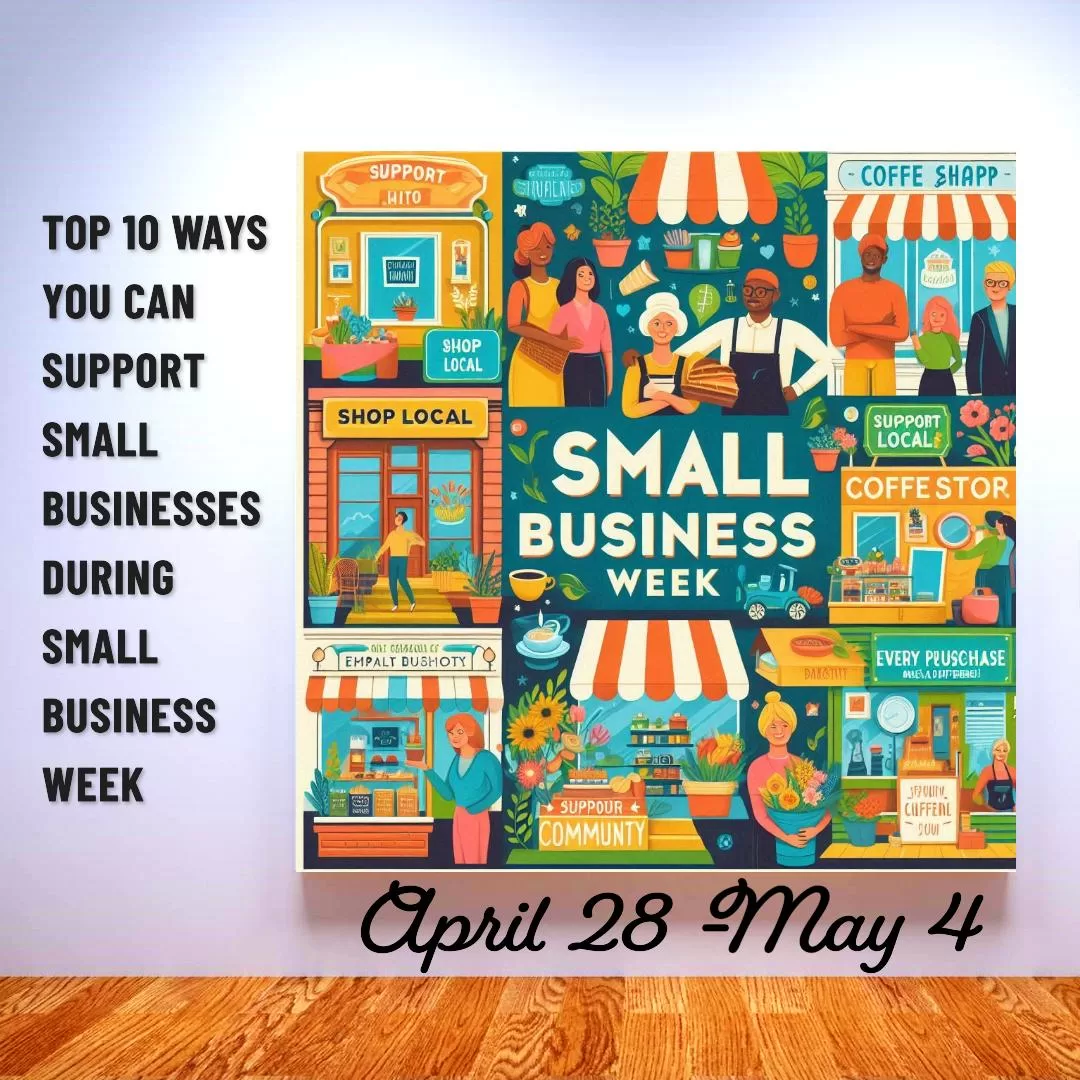
Top 10 Ways to Support Small Businesses During Small Business Week

As Small Business Week rolls around, it’s a perfect time to celebrate and support the backbone of our economy – small businesses. These enterprises not only contribute significantly to local communities but also add diversity and character to the marketplace. Here are ten impactful ways you can show your support:

Top 10 Ways to Support Small Businesses During Small Business Week
  1. Shop Local: When you need to make a purchase, opt to buy from locally-owned businesses instead of big chains or online giants. This helps keep money circulating within your community and sustains local jobs.
  2. Spread the Word: Utilize social media platforms to shout out your favorite small businesses. Write reviews, share posts, and tag them in your content. Word-of-mouth marketing is incredibly powerful for these enterprises.
  3. Attend Events: Many small businesses host events during Small Business Week to engage with their community. Attend these events, workshops, or fairs to show your support and learn more about what they offer.
  4. Buy Gift Cards: Purchase gift cards from small businesses, even if you don’t have an immediate need for them. You can use them later or gift them to friends and family, introducing others to these local gems.
  5. Volunteer Your Skills: Offer your expertise pro bono to small businesses. Whether it’s graphic design, marketing, or accounting, your skills can help them grow without stretching their tight budgets.
  6. Join Loyalty Programs: Many small businesses offer loyalty programs to reward repeat customers. Joining these programs not only benefits you but also provides steady support to the business.
  7. Collaborate: Small businesses can achieve more by collaborating with each other. Encourage partnerships and collaborations among your favorite local spots. For example, a café and a bookstore can host joint events.
  8. Provide Feedback: Constructive feedback can help small businesses improve their products and services. If you have suggestions or criticisms, share them politely and directly with the business owner.
  9. Write Blog Posts or Articles: If you have a blog or contribute to local publications, write about your experiences with small businesses. Highlight their unique offerings and the value they bring to the community.
  10. Advocate for Policies that Support Small Businesses: Get involved in local politics and advocate for policies that benefit small businesses, such as tax breaks, streamlined regulations, or support for entrepreneurship programs.

Small businesses are the heart and soul of our communities. During Small Business Week and beyond, let’s show them the love and support they deserve. Together, we can help them thrive and create vibrant, resilient local economies.

Connect with Factoring Specialist, Chris Lehnes on LinkedIn

Read more articles about small businesses

Reduced Global Shipping Demand Remains

Global shipping demand continues to face challenges amid lingering economic uncertainty and supply chain disruptions. In this article, we explore the factors contributing to the subdued demand for shipping services, analyze the implications for the maritime industry, and assess the broader economic context shaping global trade dynamics. Reduced Global Shipping Demand Remains.

Reduced Global Shipping Demand Remains.

Economic Uncertainty and Slow Recovery:

The global economy continues to grapple with the aftermath of the COVID-19 pandemic, with uneven recovery trajectories across regions and sectors. While some economies have rebounded swiftly, others face prolonged challenges related to sluggish consumer demand, supply chain bottlenecks, and labor market uncertainties. The lingering economic uncertainty has dampened trade activity and constrained shipping demand, particularly for non-essential goods and discretionary purchases. Reduced Global Shipping Demand Remains.

Supply Chain Disruptions and Inventory Management:

Supply chain disruptions, including port congestion, container shortages, and logistics constraints, have hampered the efficient movement of goods and contributed to volatility in shipping demand. Manufacturers, retailers, and logistics providers are grappling with challenges related to inventory management, lead times, and production delays, leading to fluctuations in shipping volumes and shipping routes. Uncertainties surrounding supply chain resilience and reliability have prompted businesses to adopt more cautious and conservative shipping strategies. Reduced Global Shipping Demand Remains.

Shifts in Consumer Behavior and Trade Patterns:

Changes in consumer behavior, driven by factors such as remote work, e-commerce growth, and shifting preferences for essential goods, have reshaped trade patterns and shipping demand. Increased demand for e-commerce fulfillment and last-mile delivery services has bolstered demand for smaller parcel shipments and express delivery options, while traditional bulk and container shipping routes have experienced softer demand. The evolving trade landscape underscores the need for shipping companies to adapt to changing market dynamics and customer preferences.

Policy and Regulatory Factors:

Policy and regulatory factors, including trade tensions, geopolitical risks, and environmental regulations, have also influenced global shipping demand. Trade disputes, tariffs, and trade policy uncertainties have disrupted supply chains and investment decisions, leading to hesitancy among businesses to commit to long-term shipping contracts. Additionally, environmental regulations aimed at reducing emissions and promoting sustainability are reshaping vessel operations and fleet management strategies, impacting shipping demand and operating costs.

Outlook and Recovery Prospects:

While the global shipping industry faces near-term challenges, there are signs of cautious optimism as economies gradually reopen and vaccination efforts progress. Continued fiscal stimulus measures, infrastructure investments, and trade facilitation efforts are expected to support economic recovery and stimulate shipping demand in the medium to long term. However, uncertainties surrounding the trajectory of the pandemic, inflationary pressures, and geopolitical tensions remain key variables that could influence the pace and trajectory of global shipping demand recovery.

Global shipping demand remains subdued amidst economic uncertainty and supply chain disruptions, posing challenges for the maritime industry and global trade. As businesses navigate the complexities of the post-pandemic recovery, adaptability, resilience, and strategic agility will be crucial for shipping companies to thrive in a rapidly evolving landscape. By monitoring market trends, diversifying service offerings, and collaborating with stakeholders to address emerging challenges, the global shipping industry can navigate the current downturn and position itself for sustained growth and resilience in the years ahead.

Connect with Factoring Specialist, Chris Lehnes on LinkedIn

Read more articles about the economy

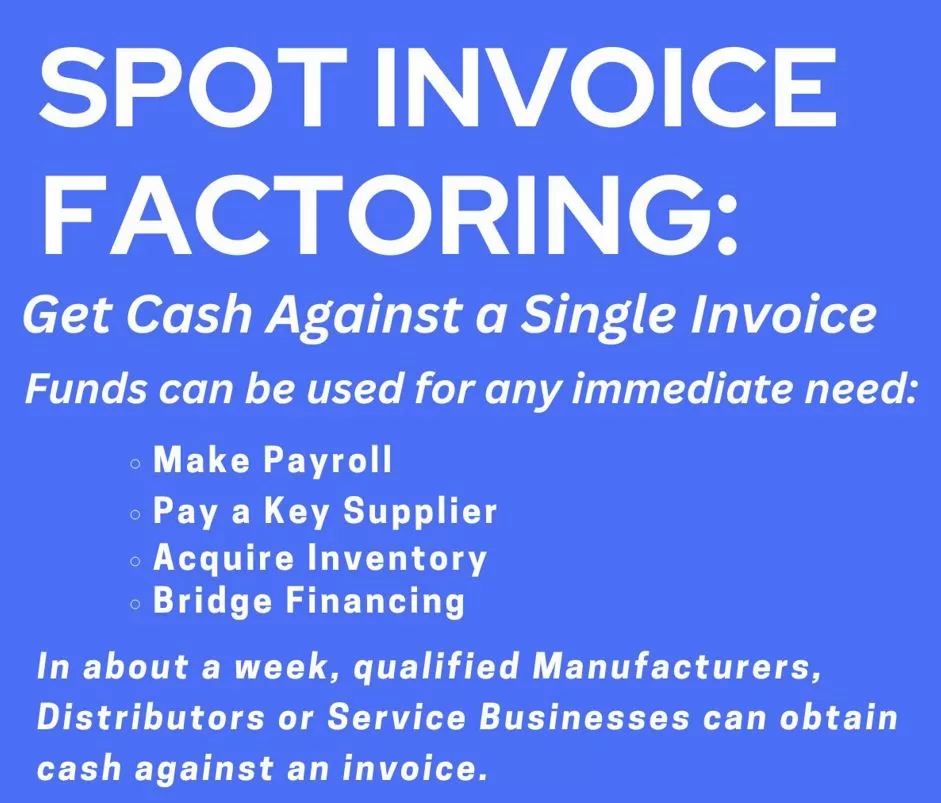
Spot Factoring – Get Cash Against a Single Invoice

Spot Factoring – Cash against a single invoice

Spot Factoring – Get Cash Against A Single Invoice

Funds can be used for any immediate need:

Make Payroll

Pay Key Supplier

Acquire Inventory

Bridge Financing

In about a week, qualified Manufacturers, Distributors or Service Businesses can obtain cash against an invoice.

Contact me to learn more

Connect with Factoring Specialist, Chris Lehnes

Accounts Receivable Factoring
$100,000 to $30 Million
Quick AR Advances
No Long-Term Commitment
Non-recourse
Funding in about a week

We are a great match for businesses with traits such as:
Less than 2 years old
Negative Net Worth
Losses
Customer Concentrations
Weak Credit
Character Issues

Chris Lehnes | Factoring Specialist | 203-664-1535 | chris@chrislehnes.com

The Consequences of Betting Against the Dollar in 2024

Betting against the dollar in favor of other currencies can have several consequences, especially in 2024 when global economic dynamics are in flux. Here are some potential consequences: The Consequences of Betting Against the Dollar.

Betting Against the Dollar
  1. Currency Exchange Risk: Betting against the dollar means holding other currencies, exposing you to fluctuations in exchange rates. If the dollar strengthens relative to those currencies, you could incur losses when converting back to dollars.
  2. Inflation Impact: If the dollar weakens significantly, it can lead to imported inflation as the cost of goods denominated in foreign currencies rises. This can erode purchasing power and lead to higher domestic prices for imported goods.
  3. Interest Rate Differentials: Central banks may adjust interest rates to manage their respective currencies. If interest rates rise in the currencies you’re betting on, it could attract capital inflows and strengthen those currencies further. Conversely, if rates in those currencies fall or remain low, it might weaken them.
  4. Trade Implications: A weaker dollar can make exports more competitive but imports more expensive, potentially impacting trade balances. Conversely, a stronger dollar might make imports cheaper but exports more expensive.
  5. Asset Markets: A weaker dollar could boost asset prices denominated in other currencies, such as commodities or foreign stocks. Conversely, a stronger dollar might put pressure on those assets.
  6. Global Economic Stability: Major shifts in currency valuations can have ripple effects throughout the global economy. It could affect the debt burdens of countries with significant dollar-denominated debt, impact international investments, and influence geopolitical dynamics.
  7. Policy Responses: Central banks and governments may respond to currency movements with policy interventions, such as currency interventions or changes in monetary policy. These responses can have unpredictable effects on currency markets.
  8. Speculative Risks: Betting against the dollar can be speculative and carries risks. Market sentiment and speculative activity can exacerbate currency movements, leading to sharp and unpredictable fluctuations.
  9. Diversification Benefits: Holding assets in a mix of currencies can provide diversification benefits, spreading risk across different economic regions and currencies.
  10. Long-Term Trends: It’s essential to consider long-term structural trends in the global economy, such as shifts in economic growth, demographic changes, technological advancements, and geopolitical developments, which can influence currency valuations over time.

Overall, betting against the dollar in favor of other currencies can offer opportunities for profit, but it’s essential to carefully assess the risks and potential consequences, especially in a dynamic and uncertain economic environment like 2024.

Connect with Factoring Specialist, Chris Lehnes on LinkedIn

Read more articles about the Economy

Updates to Subchapter V of Bankruptcy Code

Bankruptcy can be a daunting prospect for businesses facing financial distress, but the Subchapter V section of the bankruptcy code offers a potential lifeline for small businesses seeking to reorganize and emerge stronger. In this article, we delve into the intricacies of Subchapter V, exploring its provisions, eligibility criteria, benefits, and potential implications for businesses navigating the bankruptcy process. Updates to Subchapter V of Bankruptcy Code.

Changes to Subchapter V of Bankruptcy Code

Understanding Subchapter V: Enacted as part of the Small Business Reorganization Act of 2019, Subchapter V provides an expedited and cost-effective avenue for small businesses to restructure their debts and continue operations. Unlike traditional Chapter 11 bankruptcy, which can be prohibitively complex and costly for small businesses, Subchapter V streamlines the reorganization process, making it more accessible to debtors with liabilities under a certain threshold.

Eligibility Criteria: To qualify for Subchapter V, a business must meet specific eligibility criteria outlined in the bankruptcy code. Key requirements include having total debts not exceeding $7.5 million (subject to adjustment), with at least 50% of those debts stemming from business activities. Additionally, the debtor must elect Subchapter V status and demonstrate a willingness and ability to propose a viable reorganization plan. Updates to Subchapter V of Bankruptcy Code.

Benefits of Subchapter V: Subchapter V offers several notable benefits for qualifying businesses. These include:

  1. Expedited Process: Subchapter V expedites the bankruptcy process, reducing administrative burdens and accelerating the development and confirmation of a reorganization plan.
  2. Enhanced Control: Debtors retain greater control over the restructuring process, facilitating collaboration with creditors and stakeholders to negotiate favorable terms.
  3. Elimination of Creditors’ Committees: Unlike traditional Chapter 11 cases, Subchapter V eliminates the requirement for creditors’ committees, streamlining decision-making and reducing administrative expenses.
  4. Flexible Reorganization Plans: Debtors have greater flexibility in crafting reorganization plans, with fewer procedural requirements and more discretion in proposing terms that are feasible and equitable.

Implications for Stakeholders: While Subchapter V offers significant benefits for debtors, it also has implications for creditors, shareholders, and other stakeholders. Creditors may face reduced recoveries or modified repayment terms under reorganization plans, necessitating careful evaluation of their rights and interests. Shareholders, meanwhile, may see their equity stakes diluted or extinguished as part of the restructuring process.

Challenges and Considerations: Despite its advantages, Subchapter V is not without challenges and considerations. Debtors must navigate complex legal and financial requirements, engage in meaningful negotiations with creditors, and demonstrate the feasibility of their proposed reorganization plans. Additionally, the outcome of Subchapter V cases can be influenced by various factors, including the debtor’s industry, market conditions, and the willingness of stakeholders to cooperate.

Subchapter V of the bankruptcy code represents a significant opportunity for small businesses grappling with financial difficulties to restructure their debts and regain financial stability. By understanding the provisions, eligibility criteria, benefits, and implications of Subchapter V, debtors, creditors, and stakeholders can navigate the bankruptcy process more effectively and pursue outcomes that are mutually beneficial and sustainable in the long term.

The Senate is considering an extension of the Subchapter V debt sublimit within Chapter 11 bankruptcy filings following the introduction of legislation that would push out the expiration date for the $7.5 million threshold to 2026.

Senator Durbin introduced the legislation on April 17, 2024 and the bill is now under consideration with the Judiciary Committee. In addition to Durbin, the sponsor of the bill, a bipartisan group served as co-sponsors, including Senators Sheldon Whitehouse, Chuck Grassley, Christopher Coons, John Corryn and Lindsey Graham.

Connect with Factoring Specialist, Chris Lehnes on LinkedIn

Read more articles about corporate turnarounds and restructuring

Consumers Complain about Prices Despite Continued Spending

In an intriguing economic paradox, consumers across various sectors have been vocal about their dissatisfaction with rising prices, yet their spending habits continue to show resilience. This puzzling phenomenon raises questions about the true impact of price increases on consumer behavior and the underlying factors driving their purchasing decisions. Consumers Complain about Prices Despite Continued Spending.

The Consumer Conundrum

Amidst a backdrop of inflationary pressures and cost-of-living concerns, consumers have been increasingly vocal about the rising prices of goods and services. Social media platforms, consumer forums, and customer reviews are rife with complaints about the escalating costs of everyday necessities, ranging from groceries and fuel to housing and healthcare. These grievances often echo sentiments of frustration, anxiety, and a sense of financial strain.

However, despite these expressions of discontent, empirical data reveal a contradictory trend: consumers are not significantly scaling back their spending. Retail sales figures, e-commerce transactions, and leisure activities continue to show robust levels of consumption, suggesting that the perceived impact of price hikes on actual purchasing behavior may not be as pronounced as anticipated.

Several factors contribute to this apparent paradox. Firstly, consumers exhibit varying degrees of price sensitivity depending on the nature of the goods or services in question. While some items are considered essential and non-negotiable, others are more discretionary, allowing consumers greater flexibility in adjusting their spending patterns. This segmentation in consumer preferences underscores the nuanced relationship between price perception and purchasing decisions.

Moreover, psychological biases and cognitive heuristics play a pivotal role in shaping consumer behavior. The phenomenon of “anchoring,” whereby individuals use initial price references as benchmarks for subsequent evaluations, can mitigate the perceived severity of price increases. Additionally, the concept of “mental accounting” leads consumers to compartmentalize their budgets, allowing them to justify expenditure in certain categories despite overall budgetary constraints.

Furthermore, the influence of external factors, such as income levels, employment stability, and access to credit, cannot be overlooked. In times of economic uncertainty, consumers may prioritize maintaining their standard of living or hedging against future uncertainties, thereby exhibiting a higher tolerance for price fluctuations.

From a broader economic perspective, the disconnect between consumer complaints and spending behavior underscores the complex interplay between micro-level perceptions and macro-level indicators. While individual grievances may reflect genuine concerns about affordability and purchasing power, aggregate spending data paint a more nuanced picture of consumer sentiment and resilience in the face of economic challenges.

Addressing this paradox requires a multifaceted approach that considers both the structural factors driving price inflation and the psychological mechanisms shaping consumer decision-making. Policymakers, businesses, and financial institutions must adopt strategies that address the root causes of inflation while also fostering consumer confidence and affordability.

In conclusion, the phenomenon of consumers complaining about prices while continuing to spend highlights the intricate dynamics of modern consumption patterns. By understanding the underlying drivers and motivations behind this paradox, stakeholders can develop more effective strategies to navigate evolving economic landscapes and meet the diverse needs of consumers in an increasingly complex market environment.

Connect with Factoring Specialist, Chris Lehnes on LinkedIn

Read more articles about Consumer Spending