Unveiling Amazon’s Tactics – How they target rivals

Amazon, the global e-commerce behemoth, has long been known for its relentless pursuit of data-driven insights to maintain its competitive edge in the market. Recent revelations shed light on the tactics employed by Amazon to gather information on its rivals, raising questions about the boundaries of fair competition and data privacy. In this article, we delve into Amazon’s strategies for gathering information on its competitors, analyze the implications for the e-commerce landscape, and explore the ethical and regulatory considerations at play. Unveiling Amazon’s Tactics.

Unveiling Amazon’s Tactics

Data Mining and Web Scraping:

Amazon utilizes sophisticated data mining techniques and web scraping tools to extract valuable insights from publicly available information on its competitors’ websites. By analyzing product listings, pricing data, customer reviews, and promotional strategies, Amazon gains visibility into the competitive landscape and identifies areas for strategic differentiation and optimization. While data mining is a common practice in the industry, Amazon’s scale and technological prowess enable it to leverage data to its advantage effectively. Unveiling Amazon’s Tactics.

Marketplace Surveillance:

Amazon closely monitors activity on its marketplace platform, tracking sales trends, seller performance metrics, and product popularity rankings. Through its vast ecosystem of third-party sellers, Amazon gains access to real-time market data and consumer behavior patterns, allowing it to adapt quickly to changing market dynamics and consumer preferences. By analyzing marketplace data, Amazon can identify emerging trends, anticipate competitive threats, and optimize its product assortment and pricing strategies accordingly. Unveiling Amazon’s Tactics.

Retail Analytics and Partner Programs:

Amazon offers a range of retail analytics tools and partner programs to help sellers optimize their performance on its platform. These tools provide sellers with valuable insights into customer demographics, purchasing behavior, and sales performance metrics, enabling them to make data-driven decisions and improve their competitiveness. While these programs benefit sellers, they also provide Amazon with access to valuable data on market trends and competitor performance, further enhancing its competitive intelligence capabilities. Unveiling Amazon’s Tactics.

Strategic Acquisitions and Partnerships:

Amazon strategically acquires companies and forms partnerships to gain access to proprietary data and technology that can augment its competitive intelligence capabilities. Recent acquisitions, such as Whole Foods Market and Ring, have provided Amazon with valuable insights into consumer preferences, shopping habits, and market trends. Additionally, partnerships with data providers, analytics firms, and technology startups enhance Amazon’s ability to gather and analyze competitive intelligence effectively. Unveiling Amazon’s Tactics.

Ethical and Regulatory Considerations:

Amazon’s aggressive tactics for gathering information on its rivals raise ethical and regulatory concerns about fair competition, data privacy, and antitrust practices. Critics argue that Amazon’s dominance in the e-commerce market affords it disproportionate power and influence, enabling it to exploit its access to data and resources to stifle competition and undermine smaller rivals. Regulators and policymakers are increasingly scrutinizing Amazon’s business practices, calling for greater transparency, accountability, and safeguards to protect consumer rights and promote fair competition in the digital economy.

Conclusion:

Amazon’s strategies for gathering information on its rivals underscore the increasingly data-driven nature of competition in the e-commerce industry. While Amazon’s data-driven approach has contributed to its success and market dominance, it also raises important ethical and regulatory considerations that warrant careful scrutiny and oversight. As Amazon continues to expand its influence and reshape the retail landscape, stakeholders must remain vigilant about the implications of its data practices and advocate for policies that promote fairness, transparency, and competition in the digital economy.

Connect with Factoring Specialist, Chris Lehnes on LinkedIn

Read more articles about the e-commerce industry

The Consequences of China’s Overcapacity

The Consequences of China’s Overcapacity

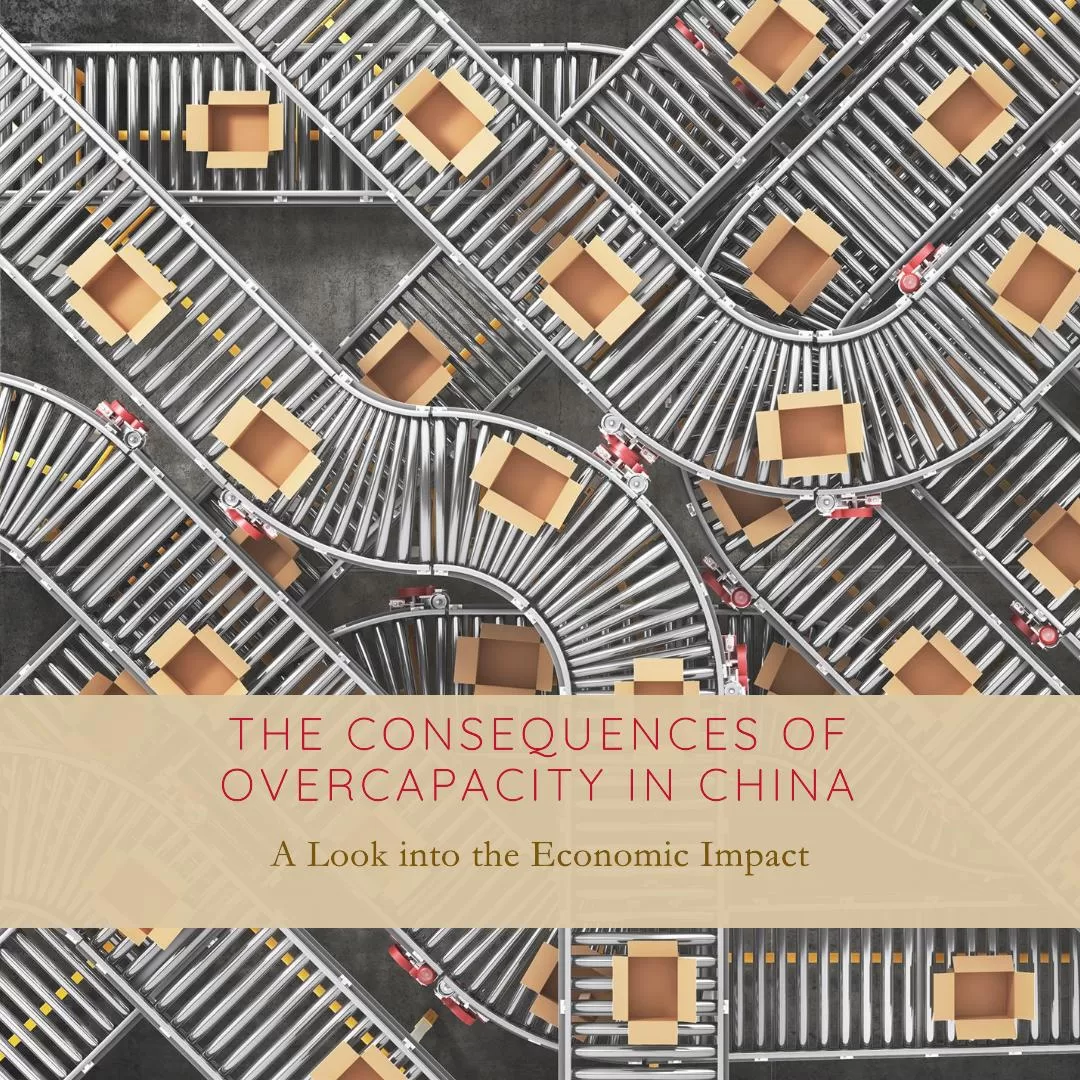
China’s persistent problem of overcapacity in various industries is proving to be a double-edged sword, with far-reaching consequences for both domestic and global markets. In this article, we delve into the reasons behind China’s overcapacity, analyze its impact on industries and economies, and explore the challenges and repercussions it presents for policymakers, businesses, and stakeholders.

Understanding China’s Overcapacity:

China’s overcapacity stems from years of rapid industrial expansion fueled by government-led investment, subsidies, and incentives. In its drive for economic growth and global competitiveness, China has heavily invested in sectors such as steel, aluminum, cement, and solar panels, leading to a glut of production capacity that far exceeds domestic and global demand.

Challenges in Managing Overcapacity:

China’s overcapacity poses numerous challenges for policymakers and industry leaders. Excess production capacity undermines market efficiency, distorts pricing mechanisms, and exacerbates competition, leading to downward pressure on prices, profitability, and investment returns. Moreover, overcapacity fuels concerns about environmental degradation, resource depletion, and energy consumption, as industries struggle to absorb excess output and manage waste.

The Consequences of China’s Overcapacity

Impact on Global Markets:

The repercussions of China’s overcapacity extend beyond its borders, affecting global markets and trade dynamics. Excess Chinese production floods international markets, driving down prices and undercutting producers in other countries. This phenomenon, often referred to as “dumping,” has sparked trade disputes, anti-dumping measures, and retaliatory actions by trading partners seeking to protect their domestic industries and market share.

Strain on State-Owned Enterprises:

China’s state-owned enterprises (SOEs) bear the brunt of overcapacity, grappling with financial losses, debt burdens, and inefficiencies resulting from excess production. SOEs, often supported by government subsidies and preferential policies, face pressure to maintain employment, social stability, and political legitimacy, even as they grapple with overcapacity and market challenges. Balancing economic imperatives with social and political objectives poses a daunting task for Chinese policymakers and SOE managers.

Shift Towards Quality and Innovation:

In response to the challenges posed by overcapacity, China is increasingly emphasizing quality, innovation, and efficiency as drivers of economic growth and competitiveness. The government has rolled out initiatives to upgrade industries, promote technological innovation, and foster a transition towards higher value-added production. By shifting focus from quantity to quality, China aims to address overcapacity while fostering sustainable, innovation-driven growth.

Conclusion:

China’s overcapacity presents a complex and multifaceted challenge with profound implications for domestic and global economies. As China grapples with excess production capacity, policymakers, businesses, and stakeholders must collaborate to find sustainable solutions that balance economic imperatives with environmental, social, and geopolitical considerations. By addressing the root causes of overcapacity, fostering innovation, and promoting market-oriented reforms, China can mitigate the negative impacts of excess capacity while charting a path towards sustainable and inclusive economic development.

Connect with Factoring Specialist, Chris Lehnes on LinkedIn

Read more articles about the economy

Fries: An Economic Barometer – How Fast Food can Predict the Economy

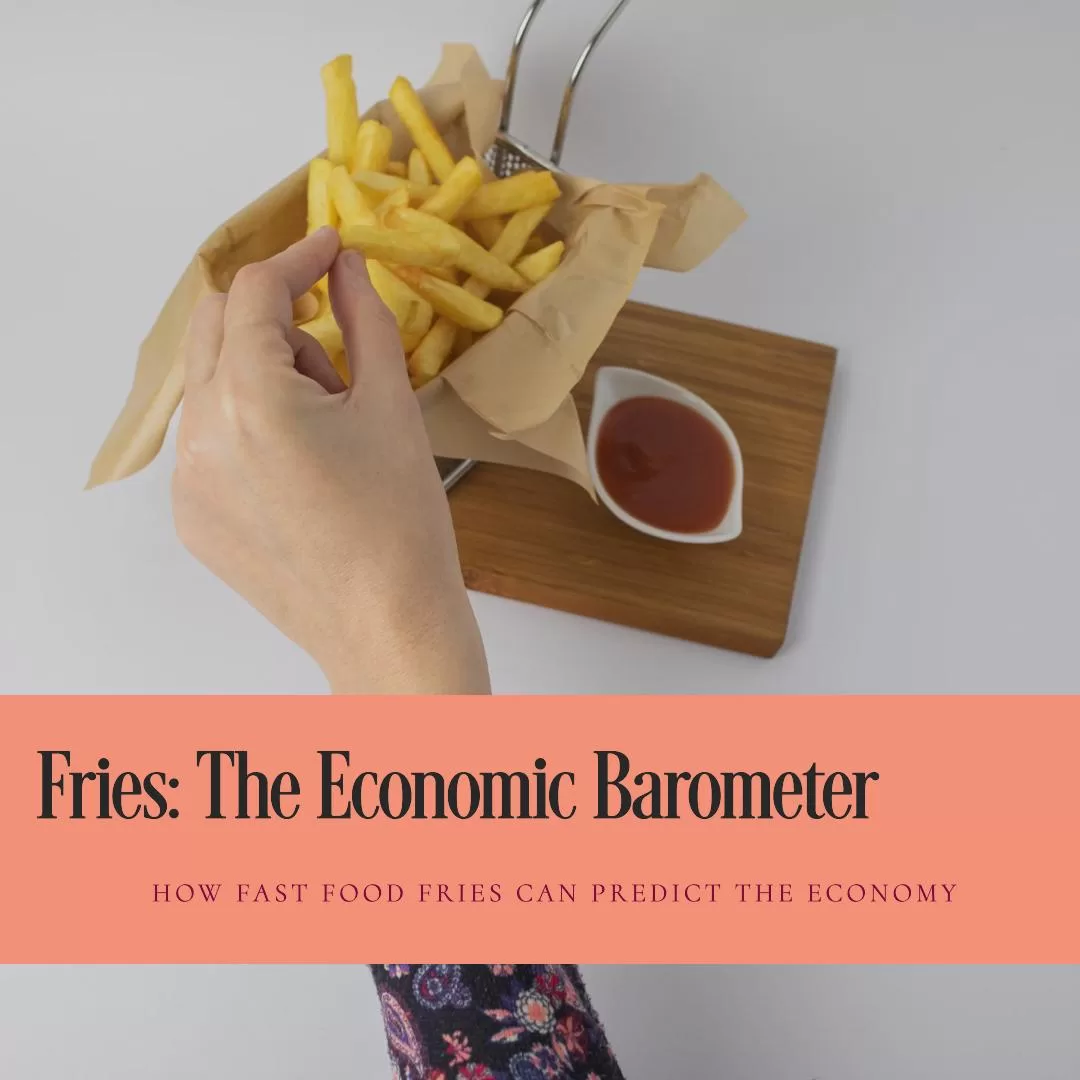
Fast food chains, with their ubiquitous presence and affordable offerings, often serve as a bellwether for broader economic trends. As consumers’ dining habits shift in response to changing economic conditions, the performance of fast food restaurants can provide valuable insights into consumer sentiment, spending patterns, and overall economic health. In this article, we explore the phenomenon of fast food as an economic indicator and examine its implications for investors, policymakers, and the public at large. Fries: An Economic Barometer – How Fast Food can Predict the Economy.

Fast Food as an Economic Indicator

The Convenience Factor:

Fast food’s popularity stems in part from its convenience and accessibility. In times of economic uncertainty or tight budgets, consumers may gravitate towards fast food options due to their affordability and time-saving benefits. As such, fluctuations in fast food sales volumes can reflect shifts in consumer behavior and preferences, offering clues about underlying economic conditions.

Recession Resilience:

Historically, fast food chains have demonstrated resilience during economic downturns, earning them the moniker of “recession-proof” businesses. Amidst layoffs, income stagnation, and belt-tightening, consumers often seek out value-oriented dining options, making fast food restaurants a go-to choice for budget-conscious individuals and families. This resilience is attributed to the affordability, convenience, and familiarity of fast food offerings, which appeal to a broad spectrum of consumers across income levels. Fries: An Economic Barometer – How Fast Food can Predict the Economy.

Menu Innovation and Adaptation:

In response to changing consumer preferences and market dynamics, fast food chains have evolved their menus and business models to stay relevant and competitive. Menu innovation, including the introduction of healthier options, plant-based alternatives, and customizable offerings, reflects shifting consumer preferences towards healthier lifestyles and sustainable food choices. Moreover, investments in digital technology, mobile ordering, and delivery services cater to changing consumer behaviors and enhance convenience, driving sales growth and market share gains.

Consumer Confidence Indicator:

The performance of fast food chains is closely linked to consumer confidence levels, which influence spending patterns and dining out behaviors. During periods of economic expansion and rising consumer optimism, discretionary spending on dining out experiences tends to increase, benefiting fast food restaurants and other segments of the food service industry. Conversely, during economic downturns or periods of uncertainty, consumer confidence may wane, leading to reduced spending on non-essential purchases, including dining out.

Implications for Investors and Policymakers:

For investors, fast food chains can offer attractive investment opportunities due to their resilience, scalability, and brand strength. By monitoring key performance indicators such as same-store sales growth, traffic trends, and customer satisfaction scores, investors can assess the financial health and growth prospects of fast food companies and make informed investment decisions. Likewise, policymakers can leverage fast food sales data as a leading indicator of economic activity, informing policy decisions related to fiscal stimulus, employment, and consumer welfare.

Conclusion:

Fast food restaurants serve as more than just purveyors of burgers and fries; they also provide valuable insights into consumer behavior, economic trends, and market dynamics. By analyzing fast food sales volumes, menu innovations, and consumer sentiment, stakeholders can gain a deeper understanding of the broader economic landscape and make informed decisions in an ever-changing world. As the Whopper Effect continues to shape consumer preferences and dining habits, its significance as an economic indicator remains as relevant as ever.

Learn more about accounts receivable factoring

Connect with Factoring Specialist, Chris Lehnes on LinkedIn

Exciting News for Small Business Owners

Exciting News for Small Business Owners

Are you a business owner looking to fuel growth and maintain cash flow without the burden of traditional loans or credit lines?

Here are just a few reasons why Factoring could be the game-changer your business needs:

Exciting News for Small Business Owners

1️⃣ Access to Immediate Cash Flow: Factoring provides you with quick and easy access to cash by purchasing your accounts receivable. Say goodbye to waiting for invoices to be paid and hello to accelerated cash flow to fuel your business operations.

2️⃣ Risk-Free Financing: Unlike traditional financing options, non-recourse factoring means you are protected from bad debt. You can focus on growing your business without the worry of unpaid invoices affecting your bottom line.

3️⃣ Flexible Solutions: Factoring facilities can be tailored to meet your specific needs. Whether you’re a startup or an established enterprise, factoring may be the the solution for you.

4️⃣ Improved Cash Flow Management: With a factor handling your accounts receivable, you can streamline your cash flow management processes. Spend less time chasing payments and more time focusing on what you do best – running your business.

5️⃣ No Long-Term Commitments: Factoring offers flexible terms with no long-term commitments.

Both short and long-term funding needs can be met.

Don’t let cash flow constraints hold your business back. Use factoring today and unlock the financial flexibility you need to take your business to new heights!

Ready to learn more?

Reach out to me today to discuss how our non-recourse factoring solutions can benefit your business.

Learn more about accounts receivable factoring

Accounts Receivable Factoring
$100,000 to $30 Million
Quick AR Advances
No Long-Term Commitment
Non-recourse
Funding in about a week

We are a great match for businesses with traits such as:
Less than 2 years old
Negative Net Worth
Losses
Customer Concentrations
Weak Credit
Character Issues

Chris Lehnes | Factoring Specialist | 203-664-1535 | chris@chrislehnes.com

Connect with Factoring Specialist, Chris Lehnes on LinkedIn

The Economic Impact of Spring Break on Vacation Destinations

As the winter frost begins to thaw and the first hints of spring emerge, millions of people across the globe gear up for one of the most anticipated breaks of the year – Spring Break. For destination communities, particularly those with warm climates and attractive beaches, this annual phenomenon represents not just a period of leisure and revelry but also a significant economic boon. However, behind the sun-soaked days and vibrant nightlife lies a complex interplay of economic factors that shape the fortunes of these locales.The Economic Impact of Spring Break on Vacation Destinations.

The Economic Impact of Spring Break on Vacation Destinations

Spring Break: A Cultural Phenomenon

Spring Break has evolved from a brief respite for college students into a cultural milestone embraced by people of all ages. It’s a time for relaxation, adventure, and celebration, often characterized by beach parties, music festivals, and a surge in tourism. For destination communities, this influx of visitors translates into a surge in revenue across various sectors.

The Economic Drivers

The economic impact of Spring Break extends far beyond the hospitality industry. While hotels, resorts, and vacation rentals experience peak demand during this period, the benefits ripple throughout the local economy. Restaurants, bars, retail outlets, transportation services, and recreational activities all witness a surge in business. Local vendors selling souvenirs, beachwear, and other merchandise also thrive during Spring Break, capitalizing on the influx of tourists.

Employment Opportunities

One of the most tangible effects of Spring Break on destination communities is the creation of employment opportunities. The surge in tourism leads to increased hiring across various sectors, providing temporary jobs for locals and seasonal workers. From hotel staff and restaurant servers to lifeguards and event coordinators, businesses ramp up their workforce to meet the heightened demand, thereby reducing unemployment rates and boosting income levels within the community.

Infrastructure and Investment

In preparation for the Spring Break onslaught, destination communities often invest in upgrading their infrastructure and amenities. Improvements to roads, parking facilities, public transportation, and recreational areas not only enhance the visitor experience but also contribute to the long-term development of the region. Moreover, the revenue generated during Spring Break may be reinvested into community projects, such as environmental conservation efforts or cultural initiatives, ensuring sustainable growth and prosperity. The Economic Impact of Spring Break on Vacation Destinations.

Challenges and Mitigation Strategies

While Spring Break brings undeniable economic benefits, it also presents challenges for destination communities. Issues such as overcrowding, traffic congestion, environmental degradation, and public safety concerns can strain local resources and infrastructure. To mitigate these challenges, destination management organizations often implement strategic measures such as crowd control initiatives, waste management programs, and enhanced security measures. Collaborative efforts between the public and private sectors are crucial to maintaining a balance between economic prosperity and sustainable development.

Conclusion

Spring Break serves as a powerful catalyst for economic activity in destination communities, driving revenue growth, job creation, and infrastructure development. However, managing the influx of visitors and addressing associated challenges require careful planning, investment, and collaboration. By harnessing the economic opportunities while mitigating the negative impacts, destination communities can ensure that Spring Break remains a vibrant and sustainable tradition for years to come.

Learn more about accounts receivable factoring

Connect on LinkedIn

Understanding Rising Treasury Yields Amidst Expected Fed Rate Cuts

Understanding Rising Treasury Yields Amidst Expected Fed Rate Cuts

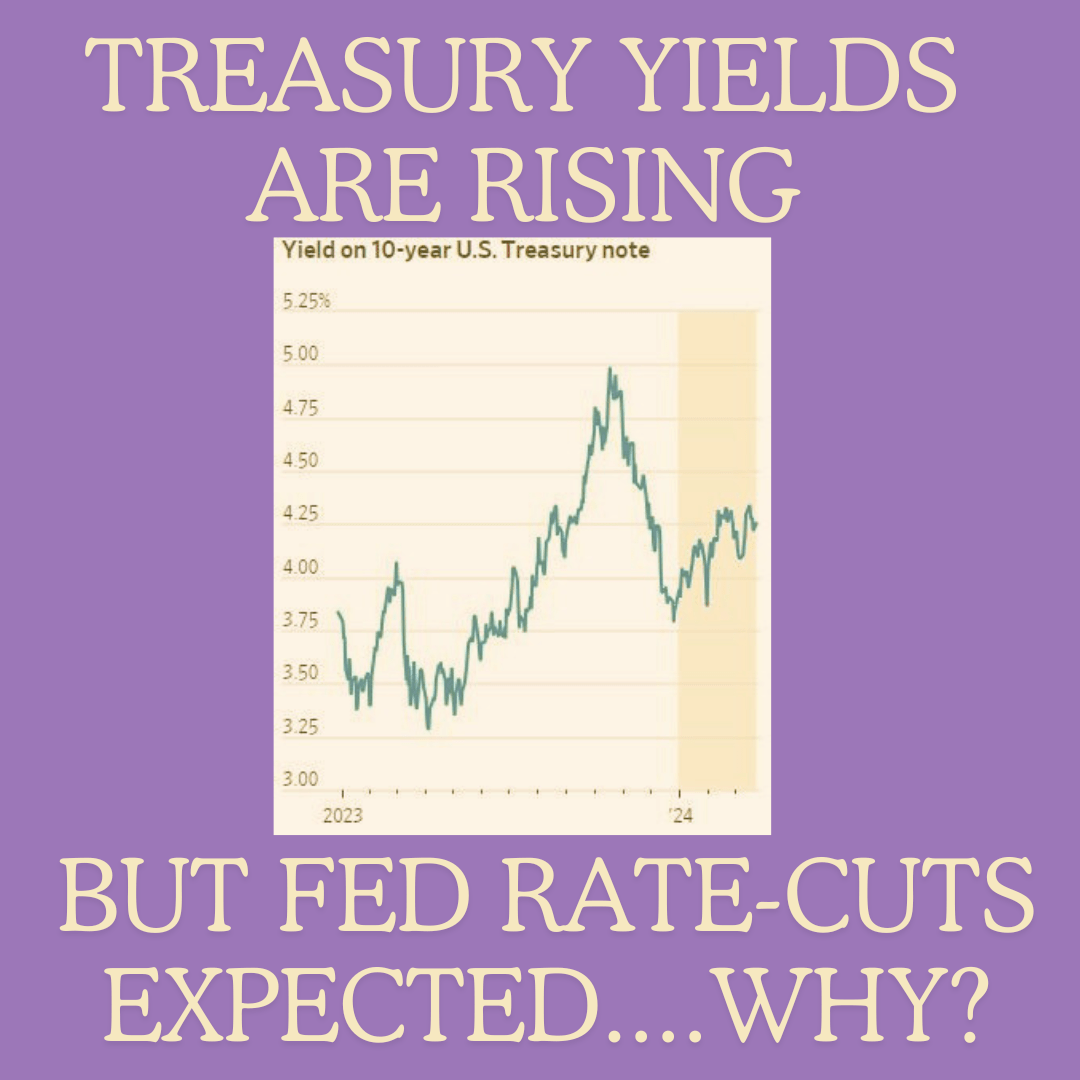
In the intricate dance of financial markets, certain phenomena can sometimes seem counterintuitive. One such puzzle currently perplexing investors is the simultaneous rise in Treasury yields alongside expectations of interest rate cuts by the Federal Reserve. While conventional wisdom might suggest that falling interest rates would naturally lead to lower yields on government bonds, the reality is often more nuanced. In this article, we delve into the factors driving this divergence and explore its implications for investors and the broader economy.

1. The Role of Market Expectations

At the heart of this conundrum lies the delicate interplay between market expectations and economic fundamentals. When investors anticipate a future reduction in interest rates by the Federal Reserve, they adjust their investment strategies accordingly. This can manifest in increased demand for Treasury securities, particularly longer-dated bonds, as investors seek to lock in higher yields before rates potentially decline further. Consequently, this surge in demand exerts upward pressure on bond prices and drives yields lower.

2. Inflationary Concerns

However, the picture becomes more complex when inflationary pressures enter the equation. Inflation erodes the real value of fixed-income investments such as bonds, leading investors to demand higher yields as compensation for the diminished purchasing power of future cash flows. In recent times, mounting concerns about inflation, fueled by supply chain disruptions, robust consumer demand, and fiscal stimulus measures, have contributed to upward pressure on Treasury yields.

3. Economic Growth Expectations

Moreover, rising Treasury yields can also reflect optimism about the economic outlook. When investors anticipate robust economic growth, they often rotate out of safe-haven assets like government bonds and into riskier investments such as equities. This shift in sentiment can drive up Treasury yields as bond prices fall in response to reduced demand. Hence, the prospect of Fed rate cuts may be outweighed by bullish sentiment regarding the broader economic landscape, prompting investors to demand higher yields on Treasury securities.

4. Yield Curve Dynamics

Another crucial aspect to consider is the shape of the yield curve. In a normal economic environment, longer-dated Treasury yields are higher than shorter-dated ones to compensate investors for the increased risk associated with holding bonds over a more extended period. However, when short-term interest rates are expected to decline, the yield curve may flatten or even invert as investors anticipate a slowing economy and lower future returns. In such scenarios, longer-dated Treasury yields could rise despite expectations of Fed rate cuts.

Implications for Investors and the Economy

For investors, navigating this environment requires a nuanced understanding of the interplay between monetary policy, inflation dynamics, and economic fundamentals. While rising Treasury yields may present opportunities for those seeking higher returns, they also entail heightened risks, particularly in a potentially inflationary environment.

From a broader economic perspective, the divergence between rising Treasury yields and anticipated Fed rate cuts underscores the complexity of policymaking in an uncertain environment. The Federal Reserve must carefully balance its dual mandate of promoting maximum employment and stable prices while responding to evolving market conditions.

In conclusion, the current phenomenon of rising Treasury yields amidst expectations of Fed rate cuts underscores the multifaceted nature of financial markets. Investors and policymakers alike must remain vigilant in assessing the myriad factors driving market dynamics and their implications for the economy at large. By staying informed and adaptable, stakeholders can navigate this challenging landscape with greater confidence and resilience.

Request a Factoring Proposal

Connect on LinkedIn

Video – Proposal Issued: $5 Million Non-Recourse Facility – Manufacturer of Desserts

https://www.chrislehnes.com/wp-content/uploads/2024/03/Untitled-video-4.mp4
Proposal Issued – $5 Million – Mfg of Desserts

Proposal Issued: $5 Million Non-Recourse Facility – Manufacturer of Desserts

This business is growing rapidly and needs cash.

Banks will not fund them as they are not profitable.

We will fund their growth by factoring AR due from major food distributors.

We expect to be refinanced by a bank in 18-24 months.

For more information clehnes@chrislehnes.com | 203-664-1535

Request a Proposal

Connect on LinkedIn

Accounts Receivable Factoring
$100,000 to $30 Million
Quick AR Advances
No Long-Term Commitment
Non-recourse
Funding in about a week

We are a great match for businesses with traits such as:
Less than 2 years old
Negative Net Worth
Losses
Customer Concentrations
Weak Credit
Character Issues

Chris Lehnes | Factoring Specialist | 203-664-1535 | chris@chrislehnes.com