March Jobs Report Shatters Expectations

A Surprising Spring: March Jobs Report Shatters Expectations

The U.S. labor market just delivered a spring surprise that few saw coming. According to the latest data released today by the Bureau of Labor Statistics (BLS), the U.S. economy added 178,000 jobs in March, vastly outperforming economist forecasts which had hovered around a modest 60,000 to 70,000.
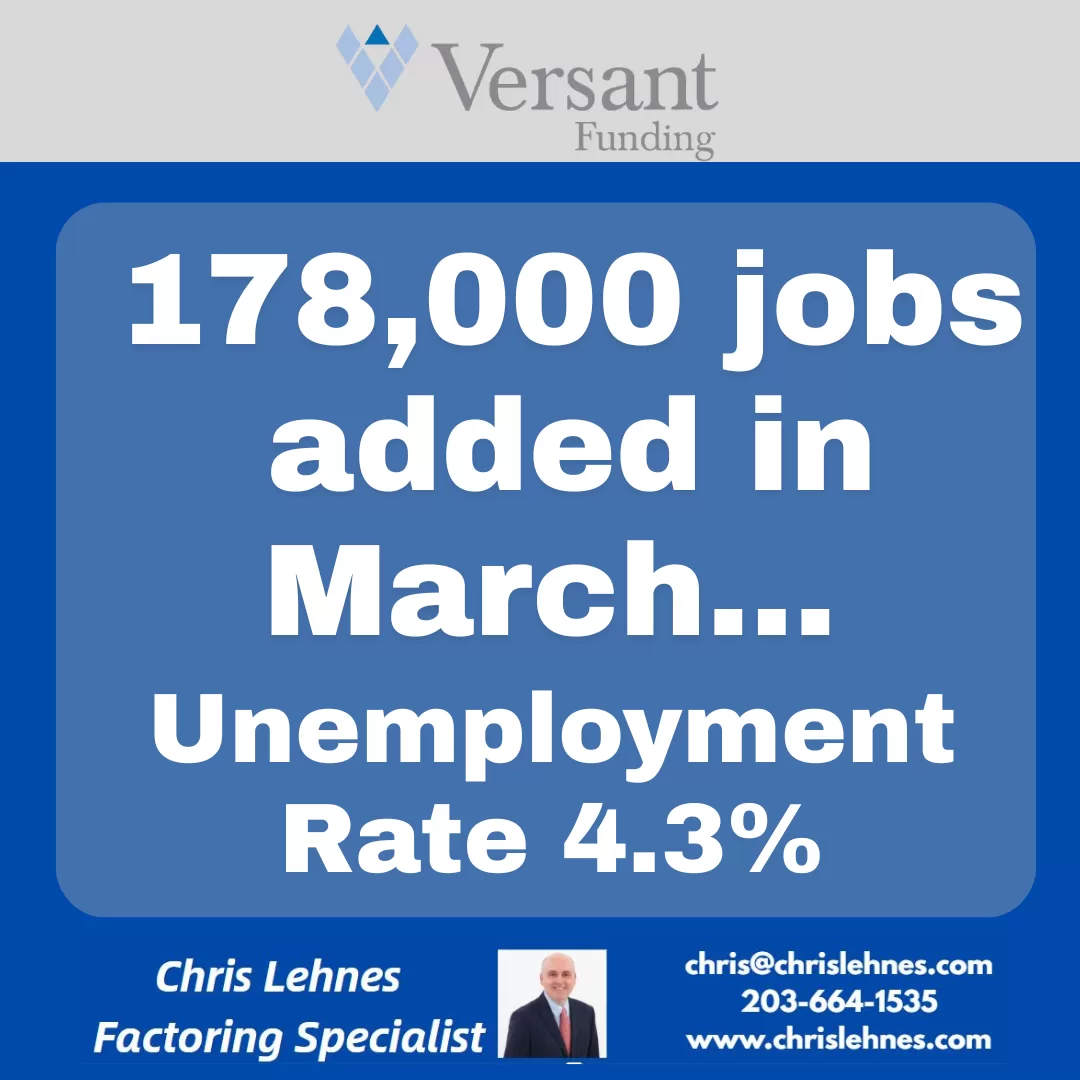
After a dismal February that saw a revised loss of 133,000 jobs, this rebound signals a resilient—if complex—economic landscape.


The Numbers at a Glance

The March report offers a refreshing change of pace for a labor market that has felt “frozen” for much of the past year.

  • Nonfarm Payrolls: +178,000 (Expected: ~70,000)
  • Unemployment Rate: 4.3% (Down from 4.4% in February)
  • Revisions: January’s figures were revised upward to 160,000, though the two-month net revision slightly dampened the overall trend.

What’s Driving the Growth?

The recovery wasn’t uniform across the board. While the headline number is strong, the “engine” of the U.S. economy remains highly concentrated:

  1. The Healthcare Titan: Once again, the health care and social assistance sector did the heavy lifting, adding 76,000 jobs last month. This sector has essentially been the primary life support for the labor market over the last year.
  2. The “Bounce Back” Factor: Part of the March surge is attributed to the return of approximately 31,000 Kaiser Permanente employees who were on strike in February, along with more favorable weather conditions across the country.
  3. The Gender Shift: Interestingly, recent trends show that women now hold more jobs than men in the nonfarm economy—a structural shift driven by the strength of female-dominated sectors like education and health, while male-concentrated sectors like manufacturing continue to cool.

The Shadows on the Horizon: Geopolitics and Oil

Despite the optimistic numbers, experts are urging caution. The report arrives amidst significant geopolitical tension, specifically the ongoing conflict in Iran.

“We’ve got a much more difficult spring job market than we had hoped given the higher prices at the pump and the supply chain disruptions that are going to come from the war,” says Diane Swonk, chief economist at KPMG.

With gas prices spiking above $4 a gallon for the first time since 2022, many fear that the March gains may be a “last hurrah” before the economic impact of the war and energy costs fully settle into corporate hiring plans.


The Bottom Line

The U.S. economy has shown it still has plenty of fight left. A 4.3% unemployment rate remains historically healthy, and the “low-hire, low-fire” stalemate of 2025 appears to be thawing.

However, for job seekers and businesses alike, the road ahead remains fogged by uncertainty. Between the rapid integration of Artificial Intelligence, fluctuating inflation (which dipped to 2.3% before ticking back up), and global instability, “cautious optimism” remains the phrase of the day.

Contact Factoring Specialist, Chris Lehnes

What do you think? Is the March report a sign of a true turnaround, or just a temporary rebound? Let us know in the comments below.

Small Businesses Grow Despite Labor Shortage

As the global economy continues its recovery from the impacts of the COVID-19 pandemic, small businesses are demonstrating remarkable resilience. Despite facing a significant labor shortage, many small businesses are not only surviving but thriving, showcasing their ability to adapt and innovate in challenging times. Small Businesses Grow Despite Labor Shortage

Small Businesses Continue to Grow Despite Labor Shortage

The Labor Shortage Challenge

The labor shortage, which began in the wake of the pandemic, has been a pressing issue across industries. Many workers left their jobs during the pandemic, some for health reasons, others to seek better work-life balance or to retire early. As the economy reopened, businesses found it increasingly difficult to fill open positions, leading to increased competition for talent. Small Businesses Grow Despite Labor Shortage.

For small businesses, this challenge has been particularly acute. With fewer resources than larger corporations, small businesses often struggle to offer the same level of wages, benefits, and job security. Yet, many are finding creative solutions to attract and retain employees.

Innovative Solutions and Adaptation

One of the key strategies small businesses have employed is flexibility. Offering flexible work hours, remote work options, and part-time positions has allowed them to attract a broader pool of candidates. This flexibility has become a significant selling point, particularly for workers who prioritize work-life balance.

Additionally, small businesses are increasingly investing in employee development. By offering training programs, mentoring, and opportunities for advancement, they not only improve their workforce’s skills but also foster loyalty among employees. This focus on personal and professional growth is helping small businesses retain talent in a competitive job market.

Moreover, some small businesses are turning to automation and technology to bridge the labor gap. From automating routine tasks to using digital tools for customer service, these businesses are finding ways to maintain high levels of productivity with fewer employees. This shift not only helps to mitigate the effects of the labor shortage but also positions these businesses for future growth in an increasingly digital economy. Small Businesses Grow Despite Labor Shortage.

Economic Growth Despite Challenges

Despite the challenges posed by the labor shortage, small businesses continue to play a vital role in economic growth. According to recent data, small businesses have been responsible for a significant portion of job creation in the past year. Their growth is fueled by strong consumer demand, which has remained robust even in the face of rising inflation and economic uncertainty.

This growth is also supported by community support and local spending. Many consumers are increasingly conscious of the importance of supporting local businesses, which has translated into strong sales for many small enterprises. Additionally, government programs and financial assistance have provided a lifeline to businesses struggling with labor costs and other challenges.

Looking Ahead

While the labor shortage is expected to persist in the near term, small businesses are proving that they can adapt and thrive in the face of adversity. By embracing flexibility, investing in their workforce, and leveraging technology, they are not only overcoming current challenges but also laying the groundwork for future success.

As small businesses continue to grow, they will remain a cornerstone of the economy, driving innovation, job creation, and community development. Their resilience and adaptability are a testament to the vital role they play in both local and global economies.

Connect with Factoring Specialist, Chris Lehnes on LinkedIn

Learn more about the challenges of Small Businesses