The Evolving Landscape of Small Businesses: 2025 Challenges & Opportunities
The small business sector in the United States stands at a critical juncture in 2025. While a sense of optimism prevails among many business leaders regarding the overall economic outlook, a closer examination reveals a complex environment characterized by persistent challenges alongside emerging opportunities. This report delves into the multifaceted impact of the current economic climate on these vital engines of the US economy, exploring the key headwinds they face, the avenues for growth they are pursuing, the crucial role of support systems, and the potential trends shaping their future. Inflation, supply chain vulnerabilities, labor shortages, and shifting consumer behaviors represent significant hurdles.
Conversely, the increasing adoption of technology, particularly in e-commerce and artificial intelligence, coupled with strategic partnerships and a renewed focus on customer experience, offers promising pathways forward. Furthermore, the support provided by government initiatives and the engagement of local communities are proving to be crucial factors in fostering the resilience of these enterprises. Looking ahead, the potential for economic shifts such as stagflation underscores the need for small businesses to remain agile and adaptable.

The Current Economic Climate and Small Business Sentiment:
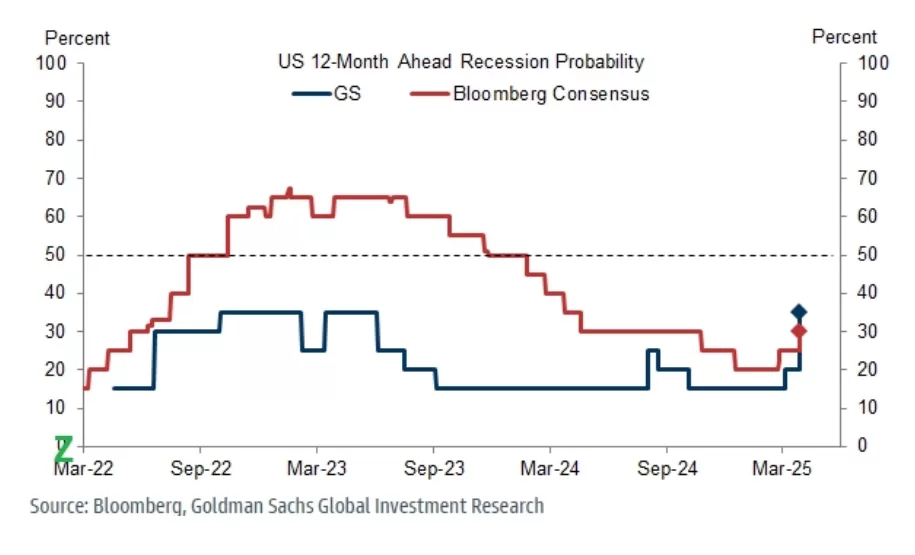
The economic landscape of the United States in 2024 and the anticipated trajectory for 2025 present a mixed picture for small businesses. Some analyses suggest that 2024 witnessed a moderation of inflation alongside continued growth in the Gross Domestic Product (GDP). This has contributed to an expectation of sustained economic expansion in 2025, provided that inflationary pressures remain under control. Indeed, business leaders appear to have shifted their focus from a cautious stance to one prioritizing growth, with a notable decline in concerns surrounding a potential recession. Surveys indicate that a significant majority of business leaders do not foresee a recession in 2025, a stark contrast to the sentiment expressed at the beginning of 2024. This improved outlook is partly attributed to the Federal Reserve’s interest rate cuts in late 2024 and signals of further easing, leading many to move past recessionary worries and concentrate on opportunities for expansion.
This optimistic sentiment is echoed by many small business owners, with a considerable percentage expressing confidence in their economic viability in 2025. However, this optimism exists in tandem with acknowledged challenges, such as the rising cost of doing business and evolving consumer trends. While national economic optimism has shown a strong rebound, the global economic outlook is perceived as more uncertain. Interestingly, the Small Business Index for the first quarter of 2025 experienced a slight dip, suggesting that despite the overarching optimism, some underlying concerns may be tempering overall confidence. Despite these individual business-level concerns, views regarding the health of the US and local economies have remained relatively stable. This could indicate that while small business owners might be facing specific operational challenges, they still perceive a degree of resilience and potential within their immediate economic environments.
Navigating the Headwinds: Key Challenges for Small Businesses:
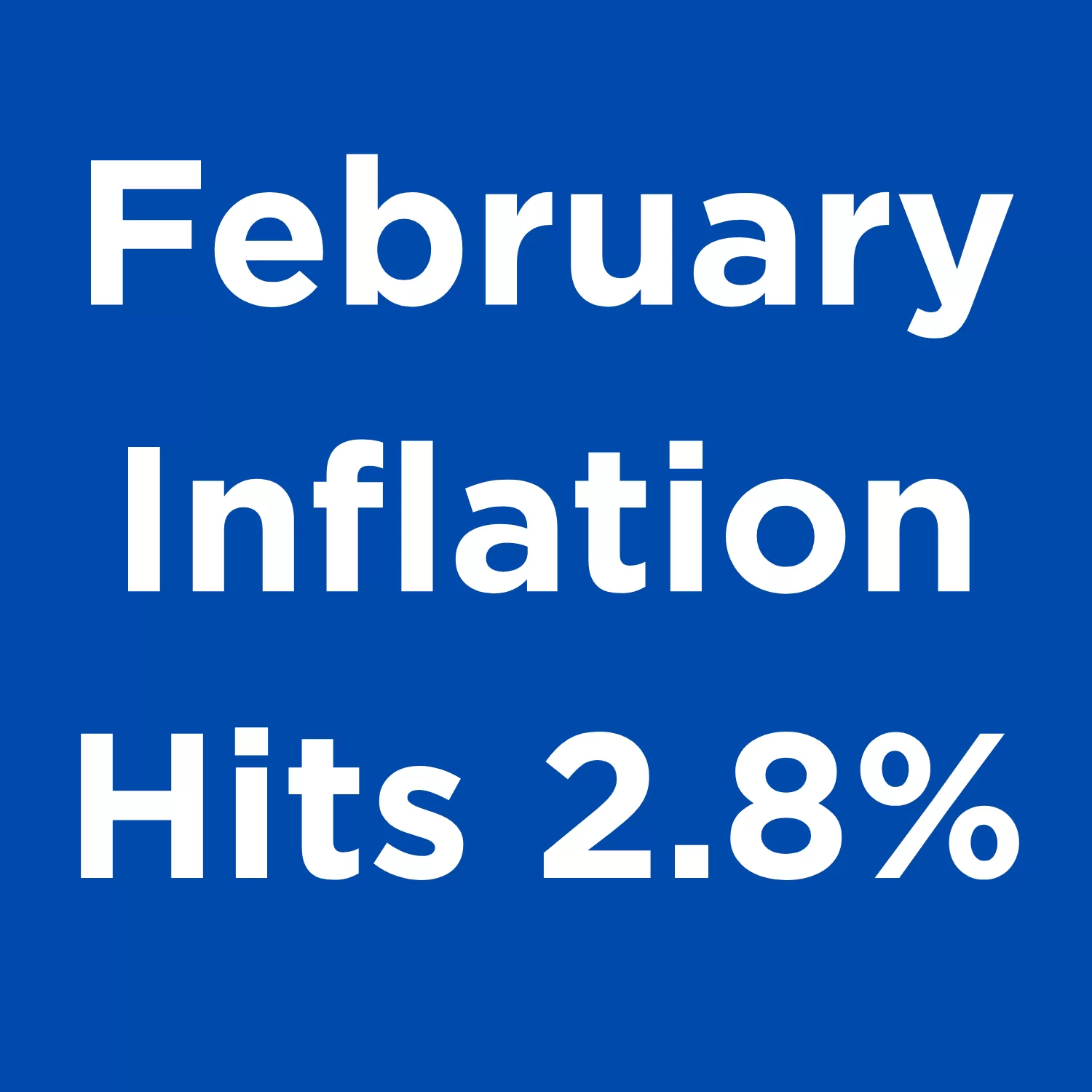
- 3.1 Inflation and Rising Costs: A dominant concern casting a shadow over the small business landscape is the persistent issue of inflation and the escalating costs of operations. Reports indicate that inflation has reached record levels as a top concern for small businesses. The increasing costs associated with running a business are compelling many to raise their prices and implement measures to reduce operating expenses. A significant portion of small business owners anticipate that these costs are unlikely to decrease in 2025. The impact of inflation is also evident in consumer behavior, with some individuals choosing to curtail their spending at small businesses due to the higher cost of essential goods. Certain sectors are experiencing more pronounced price hikes than others, including finance, retail, construction, services, and professional services. The potential for new tariffs to be imposed further exacerbates these inflationary pressures, as tariffs typically lead to increased costs for imported goods, which are often passed on to consumers. Adding to the financial strain, the average monthly interest payments on credit cards for small businesses have also seen an increase. The convergence of record inflation concerns and the expectation of sustained high costs suggests that small businesses will continue to face significant pressure on their profitability, potentially necessitating difficult strategic choices regarding pricing, staffing levels, and future investments. The simultaneous rise in concerns about revenue alongside inflation indicates a challenging environment where businesses are not only grappling with higher expenses but are also finding it increasingly difficult to maintain their sales volumes, possibly pointing towards weakening consumer demand or heightened price sensitivity.
- 3.2 Supply Chain Disruptions: While the acute supply chain disruptions experienced in the immediate aftermath of the pandemic have somewhat subsided, critical issues continue to pose challenges for small businesses. Ongoing geopolitical instability and global trade uncertainties contribute to the volatility of supply chains. Disruptions stemming from wars, piracy, strikes, infrastructure failures, and adverse weather conditions continue to impede the smooth flow of goods. Ocean freight bottlenecks and congestion at global ports further compound these difficulties. The crisis in the Red Sea, for instance, has the potential to impact shipping costs and alter established trade routes. Moreover, the imposition of tariffs can directly disrupt supply chains and lead to inflated costs for businesses that rely on imported materials or components. In response to these persistent vulnerabilities, a growing number of businesses are adopting strategies such as reshoring and nearshoring to shorten their supply chains and reduce associated risks. Despite these efforts, managing inventory effectively remains a significant and ongoing challenge for many small businesses. The continued presence of global uncertainties implies that building resilient and agile supply chains is crucial for small businesses to effectively navigate unexpected disruptions. The increasing trend of reshoring and nearshoring signifies a strategic adaptation to these risks, potentially fostering growth in domestic manufacturing and supply sectors.
- 3.3 Labor Shortages and Workforce Management: Labor-related issues remain a dominant concern for business leaders across the United States. Small businesses are facing multifaceted workforce challenges, including difficulties in finding qualified candidates, retaining existing employees, and navigating the overall hiring process. Demographic shifts, particularly the retirement of the baby boomer generation, are contributing to significant talent gaps in various industries. Some experts suggest that immigration reform may be necessary to alleviate these workforce shortages and support business expansion. To attract and retain talent in this competitive environment, many small businesses are implementing strategies such as increasing wages, offering more flexible working arrangements, and enhancing employee benefits packages. The expectation is that labor markets will likely remain tight throughout 2025. In some instances, concerns about the quality of available labor have even surpassed inflation as the primary challenge for small business owners. The persistent difficulty in securing and retaining adequate staff is not merely a temporary setback but appears to be a more fundamental issue driven by demographic trends, necessitating long-term solutions focused on skills development and workforce expansion. Furthermore, the rising costs associated with labor are directly contributing to the increasing operational expenses for small businesses, thereby compounding the inflationary pressures they are already facing.
- 3.4 Shifting Consumer Behavior: The current economic climate is also influencing the behavior of consumers, presenting both challenges and opportunities for small businesses. The rising costs of essential goods and services are prompting many consumers to reduce their discretionary spending. This trend was particularly evident during the recent holiday season, where average consumer spending at small businesses saw a notable decrease. To navigate this evolving landscape, businesses are recognizing the need to adapt their marketing strategies to a more challenging online search environment. Consumers are also increasingly expecting seamless transitions between online and in-person shopping experiences. Moreover, there is a growing awareness among consumers regarding environmental issues, leading to a greater preference for businesses that prioritize sustainability and ethical practices. Finally, the trend towards consumers seeking more personalized products and services continues to gain momentum. The observed decline in consumer spending at small businesses, driven by the increasing cost of necessities, suggests a potential fundamental shift in consumer priorities. This necessitates that small businesses emphasize value, cultivate strong customer loyalty, and potentially broaden their offerings to include more essential goods or services. Conversely, the growing consumer emphasis on sustainability and ethical practices presents a distinct opportunity for small businesses to differentiate themselves from larger corporations by highlighting their local connections, ethical sourcing, and environmentally conscious operations.
4. Seizing Opportunities in a Changing Landscape:
- 4.1 E-commerce and Digital Presence: The realm of e-commerce continues to play an increasingly vital role in the retail sector, offering significant opportunities for small businesses. Given the growing proportion of retail sales occurring online, it is becoming essential for small businesses to establish and enhance their presence in the digital marketplace by offering their products and services through online channels. Effective online marketing strategies and active engagement on social media platforms are also crucial for reaching and connecting with potential customers. Notably, platforms such as TikTok and Instagram are increasingly being utilized not just for building brand awareness but also for direct client acquisition and facilitating sales conversions. The overall trend indicates that small businesses are intensifying their focus on digital marketing initiatives and expanding their e-commerce capabilities. To succeed in this digital-centric environment, it is paramount for small businesses to ensure they have a mobile-friendly and easily navigable website equipped with robust e-commerce functionalities that allow consumers to quickly find and purchase desired products or services from their mobile devices. The sustained and significant growth of e-commerce underscores the critical imperative for small businesses to invest strategically in their online presence. This investment is not solely for driving sales but also for enhancing brand visibility and fostering meaningful customer engagement, as consumers increasingly prioritize the convenience of online interactions. The emerging trend of leveraging social media platforms for direct sales signifies a blurring of the lines between traditional marketing and sales channels. This requires small businesses to develop integrated and agile strategies that effectively utilize social media not only for brand building but also for driving immediate transactional outcomes.
- 4.2 Technological Adoption and Innovation: The adoption of technology, particularly artificial intelligence (AI), is rapidly transforming the operational landscape for small businesses. AI is increasingly being implemented for a wide array of applications, including enhancing customer service, streamlining internal processes, and boosting overall productivity. AI-powered tools are proving valuable in tasks such as brainstorming new ideas, summarizing lengthy documents, automating meeting note-taking, and conducting advanced information searches. Many small businesses are also utilizing AI-driven chatbots and virtual assistants to improve the efficiency and responsiveness of their customer service operations. There is a prevailing sense of optimism among small business owners regarding the potential of AI to contribute to their future growth and success. However, the increasing reliance on technology also brings forth the critical importance of robust cybersecurity measures to protect sensitive data and mitigate the growing threat of cyberattacks. Beyond AI, other technological advancements, such as the rollout of 5G networks and the proliferation of remote collaboration tools, are also impacting small business operations. Furthermore, the adoption of various digital tools is playing a key role in enhancing operational efficiency and improving overall financial management for these enterprises. The accelerating adoption of AI by small businesses marks a significant evolution in their operational methodologies. This technological shift has the potential to democratize access to powerful tools, enabling even smaller enterprises to compete more effectively with larger counterparts in areas such as automation, data analysis, and customer engagement. The growing dependence on technology, especially AI and online operations, underscores the indispensable need for small businesses to prioritize investments in cybersecurity. Protecting their digital assets and maintaining customer trust is paramount for ensuring business continuity and long-term sustainability in an increasingly interconnected world.
- 4.3 Strategic Partnerships and Diversification: A significant proportion of businesses are actively exploring and planning to establish strategic partnerships and make targeted investments as a means of fostering growth and resilience. Diversifying the range of products and services offered is also recognized as a crucial strategy for catering to the evolving preferences and demands of consumers. The potential for mutually beneficial collaborations and mentorship opportunities between larger and smaller businesses is also gaining recognition. Expanding into new geographical markets within the domestic landscape represents another avenue for growth being considered by many businesses. Furthermore, some businesses are exploring mergers and acquisitions as a strategic pathway to achieve accelerated growth and market expansion. In the context of ongoing supply chain vulnerabilities, diversifying both sourcing and fulfillment networks is becoming increasingly important for building greater resilience and mitigating potential disruptions. The proactive pursuit of strategic partnerships and investments suggests a growing recognition among small businesses of the value of collaboration and external support in navigating the complexities of the current economic climate and achieving sustainable growth. The increasing emphasis on diversifying both product/service portfolios and sourcing strategies reflects a strategic imperative for small businesses to enhance their resilience by mitigating the inherent risks associated with fluctuating consumer demand and potential disruptions within their supply chains.
5. Small Business Resilience in Action: Case Studies:
- A local restaurant, facing rising food costs due to inflation , has adapted by optimizing its menu to feature more seasonal and locally sourced ingredients, thereby reducing its reliance on volatile global supply chains and supporting local farmers. The restaurant has also invested in enhancing its online ordering system and partnered with local delivery services to cater to changing consumer preferences for convenience and at-home dining.
- A small retail boutique, experiencing a slowdown in consumer spending on non-essential items , has successfully leveraged social media platforms to engage directly with its customer base, offering personalized styling advice and exclusive promotions to foster loyalty and maintain sales. The boutique has also emphasized its unique, small-batch offerings to differentiate itself from larger retailers.
- A US-based manufacturing company, concerned about potential tariff increases and ongoing global supply chain disruptions , has made the strategic decision to reshore a portion of its production from overseas. This move not only mitigates the risks associated with international trade but also allows for greater control over quality and lead times.
- A service-based business, operating in a sector facing significant labor shortages , has implemented AI-powered tools to automate routine administrative tasks and enhance communication with clients. This has allowed the existing staff to focus on higher-value activities and maintain service levels despite the challenges in recruitment.
- A growing technology startup, facing the challenge of managing an expanding IT infrastructure within a tight budget, has opted for IT staff augmentation services. This approach provides the flexibility to access specialized technical expertise on an as-needed basis, proving more cost-effective than hiring full-time IT personnel.
- A local non-profit organization dedicated to community outreach has adopted cloud-based software and online collaboration tools. This digital transformation has streamlined their internal operations, improved their ability to coordinate with volunteers, and enhanced their communication with the community they serve.
- A small brewery, recognizing the increasing consumer interest in health and wellness , has expanded its product line to include a range of high-quality, non-alcoholic craft beverages. This diversification has allowed them to tap into a growing market segment and appeal to a broader customer base.
These examples, while representing a small fraction of the diverse adaptations occurring across the small business landscape, illustrate the proactive and innovative ways in which these enterprises are responding to the current economic pressures and capitalizing on emerging opportunities. The common thread running through these cases is a focus on agility, customer engagement, and the strategic adoption of technology and new business models.
6. Government and Community Support: Pillars of Small Business Stability:
- 6.1 Government Programs and Initiatives: The US Small Business Administration (SBA) plays a pivotal role in supporting the growth and resilience of small businesses through a variety of funding programs. These programs encompass loans designed for various purposes, including working capital, equipment purchases, and real estate; avenues for accessing investment capital; disaster assistance in the form of low-interest loans; surety bonds to facilitate contracting opportunities; and targeted grant programs. The SBA offers several distinct loan programs, such as the 7(a) loan, which is the most common type and can be used for a wide range of business needs; the 504 loan, providing long-term, fixed-rate financing for major assets; microloans for very small businesses and startups; disaster assistance loans for recovery from declared disasters; and loans specifically for military reservists called to active duty. Recognizing the financial challenges some small businesses face, the SBA also provides resources for those experiencing economic hardship, including access to free or low-cost financial counseling through its network of Resource Partners. While the Hardship Accommodation Plan (HAP) for COVID-19 Economic Injury Disaster Loans (EIDL) concluded in March 2025, other forms of assistance remain available. Additionally, the SBA and other organizations offer various grant programs tailored to specific industries or demographics, such as the Halstead Grant for silver jewelry artists, the Accion Opportunity Fund for underserved entrepreneurs, Amazon’s Black Business Accelerator Program, the Amber Grant Foundation for women entrepreneurs, and America’s Seed Fund for innovative technology startups. The broader governmental landscape, including potential tax and regulatory changes, can also significantly impact small businesses. Many small business owners have expressed a desire for simplification of the tax code and the extension of the 20% small business deduction. Key Table: Select SBA Funding Programs for Small Businesses
| Program Name | Description | Use of Funds | Key Features |
|---|---|---|---|
| 7(a) Loans | Most common SBA loan; flexible financing for various needs. | Working capital, equipment, real estate, debt refinancing. | Maximum loan amount typically $5 million; variety of terms and rates. |
| 504 Loans | Long-term, fixed-rate financing for major fixed assets. | Purchase of equipment or real estate. | Typically involves a bank, a Certified Development Company (CDC), and the small business; favorable interest rates. |
| Microloans | Small loans for very small businesses and startups. | Working capital, inventory, supplies, furniture, fixtures, machinery, equipment. | Loans up to $50,000; administered through intermediary lenders. |
| Economic Injury Disaster Loans (EIDLs) | Low-interest loans to help businesses recover from declared disasters. | Working capital and normal operating expenses. | Available to small businesses in declared disaster areas; terms up to 30 years. |
| State Trade Expansion Program (STEP) | Grants to states to help small businesses increase their exports. | Export-related activities, such as trade show participation and marketing. | Administered by individual states; eligibility criteria vary. |
Export to Sheets
- 6.2 Role of Local Communities and Consumer Support: The success and resilience of small businesses are inextricably linked to the support they receive from their local communities and individual consumers. Initiatives that encourage residents to shop locally and support community services play a vital role in keeping money circulating within the local economy. Studies have consistently shown that spending at local businesses generates a significantly greater economic impact within the community compared to spending at large chain stores. Supporting local businesses fosters entrepreneurship and strengthens the financial foundations of the community. Beyond the economic benefits, small businesses often contribute significantly to their communities by donating their time, financial resources, and in-kind contributions to various local groups, charities, schools, and other organizations. This involvement is not only important for the well-being of the community but also contributes to the personal satisfaction and fulfillment of small business owners. Consumers can actively support local businesses through various actions, such as shopping at local stores, dining at local restaurants, recommending local businesses to friends, writing positive online reviews, and participating in community events. By choosing to support local small businesses over large corporations, consumers directly invest in their own communities, fostering job creation, reinvestment, and a stronger local economy. The symbiotic relationship between small businesses and their local communities is a cornerstone of economic vitality and social well-being.
7. Potential Future Trends and Their Anticipated Impact:
- 7.1 Economic Trends: Looking ahead, the economic landscape for small businesses in 2025 is expected to be shaped by several key trends. While continued economic growth is anticipated by many, there is also the potential for inflation to accelerate, particularly given proposed policy changes such as tax cuts and tariffs. The trajectory of inflation will be closely watched, as a resurgence could necessitate further adjustments in business strategies. The impact of potential increases in tariffs remains a significant concern, especially for businesses that rely on international supply chains, as these could lead to higher costs for both businesses and consumers. Furthermore, the risk of stagflation, a scenario characterized by slow economic growth coupled with persistent high inflation, is being discussed by some economic analysts. Such an environment could present significant challenges for small businesses, impacting both their costs and consumer demand. The Federal Reserve’s monetary policy decisions, particularly regarding interest rates, will also play a crucial role in shaping the economic environment for small businesses, influencing borrowing costs and overall economic activity.
- 7.2 Technological Advancements and Digital Transformation: Technological advancements and the ongoing digital transformation will continue to profoundly impact small business operations and competitiveness. Artificial intelligence is expected to become even more integrated into various aspects of business, from customer service and marketing to operations and decision-making. The increasing accessibility and affordability of AI tools will likely drive further adoption across the small business sector. Automation of tasks, facilitated by AI and other digital tools, will be crucial for enhancing efficiency and reducing costs. As the reliance on technology grows, the importance of cybersecurity will only intensify, requiring businesses to invest in measures to protect their data and infrastructure. The trend of IT staff augmentation is also likely to continue, providing a flexible and cost-effective way for small businesses to manage their technology needs. Overall, the ability of small businesses to embrace and effectively utilize digital tools will be a key determinant of their success in the coming years.
- 7.3 Shifting Consumer Preferences: Evolving consumer preferences will continue to shape the small business landscape. The demand for personalized products and services is expected to grow, requiring businesses to leverage data and technology to tailor their offerings. Sustainability and ethical practices will likely become even more important to consumers, influencing their purchasing decisions and requiring businesses to adopt more environmentally and socially responsible approaches. The convenience and accessibility offered by online channels will continue to drive the growth of e-commerce, making a strong digital presence a necessity for most businesses. The rise of the gig economy may also present both opportunities and challenges for small businesses, affecting their workforce strategies and potentially creating new service models. Understanding and adapting to these evolving consumer preferences will be crucial for small businesses to maintain their competitiveness and relevance in the marketplace.
Conclusion:
The landscape for small businesses in the United States in 2025 is characterized by a complex interplay of challenges and opportunities. While the prevailing sentiment among many business leaders is optimistic, significant headwinds such as inflation, supply chain vulnerabilities, and labor shortages persist and demand careful navigation. The increasing adoption of technology, particularly in the realms of e-commerce and artificial intelligence, offers promising avenues for growth and efficiency. Strategic partnerships, diversification, and a keen focus on evolving consumer preferences will also be critical for sustained success. The support provided by government programs and the engagement of local communities remain vital pillars underpinning the stability and resilience of these enterprises. Looking ahead, potential economic shifts like accelerating inflation or even stagflation underscore the paramount importance of adaptability and strategic planning. Ultimately, the small business sector’s ability to embrace innovation, manage risks effectively, and respond agilely to the dynamic economic and technological environment will determine its continued vitality and its crucial contribution to the US economy.