The Invisible Shield: Maritime Insurance

When we think of the massive oil tankers carving through the turquoise waters of the Persian Gulf, we usually focus on the millions of barrels of crude they carry or the geopolitical weight of the Strait of Hormuz. But behind every voyage is an invisible, multi-layered shield of paper and promise: Maritime Insurance.

When we think of the massive oil tankers carving through the turquoise waters of the Persian Gulf, we usually focus on the millions of barrels of crude they carry or the geopolitical weight of the Strait of Hormuz. But behind every voyage is an invisible, multi-layered shield of paper and promise: Maritime Insurance.

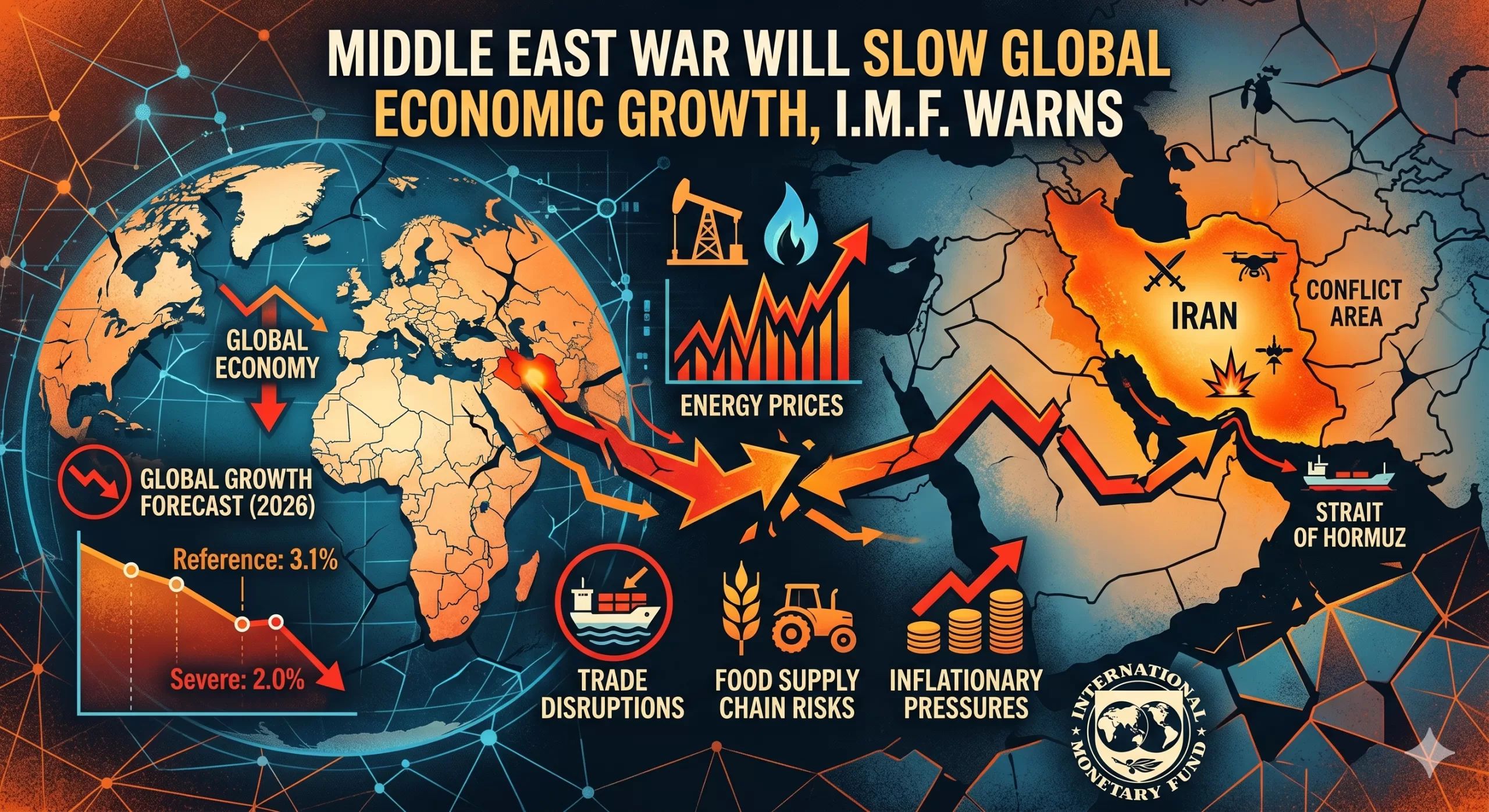
In the high-stakes environment of 2026, where regional tensions have sent shockwaves through energy markets, understanding how these vessels are protected is more than just a lesson in finance—it’s a window into how global trade survives in a crisis.


1. The Trinity of Protection

Insuring a $150 million vessel carrying $100 million worth of oil isn’t a “one-and-done” policy. It is built in three primary layers:

Hull and Machinery (H&M)

Think of this as the “comprehensive” insurance for the ship itself. It covers physical damage to the vessel’s structure and engines caused by “perils of the sea”—collisions, groundings, fires, or heavy weather.

  • Who provides it? Commercial insurers (often via the Lloyd’s of London market).

Protection and Indemnity (P&I)

This is unique to the shipping world. Instead of a traditional company, shipowners join P&I Clubs—mutual associations where members pool their money to cover third-party liabilities.

  • What it covers: Oil spills (pollution), crew injuries, and damage to docks or other ships.
  • Why it matters: In the event of a catastrophic leak in the Gulf, the P&I club provides the billions of dollars needed for cleanup.

War Risk Insurance

This is the “hot” layer. Standard H&M policies specifically exclude damage from weapons of war, mines, or terrorism. To sail into the Persian Gulf, owners must purchase a separate War Risk policy.

  • The “Listed Areas”: The Joint War Committee (JWC) in London designates high-risk zones. Once a ship enters these waters, its standard coverage is suspended, and a special “voyage premium” kicks in.

2. The “Additional Premium” Spike

In stable times, war risk insurance is a negligible cost. However, in the current 2026 climate—marked by recent escalations—the math has changed drastically.

When the Strait of Hormuz is designated a high-risk zone, insurers charge an Additional War Risk Premium (AWRP).

  • Normal rates: Historically around 0.01% to 0.05% of the ship’s value.
  • Current 2026 rates: We have seen spikes reaching 1% to 5% (or even 10% for “missile magnet” vessels with specific national ties).

The Reality Check: For a tanker worth $130 million, a 1% premium means the owner must pay $1.3 million just for a single seven-day transit through the Gulf.


3. 2026: The Rise of Government Backstops

The most significant shift this year has been the intervention of national governments. When private insurers find the risk “unpriceable” or “opaque,” they may stop offering coverage entirely, which effectively halts oil flow.

To prevent a global energy collapse, we are seeing:

  • U.S. Reinsurance Plans: The U.S. International Development Finance Corp (DFC) recently announced a $20 billion reinsurance program to provide a “safety net” for commercial insurers.
  • Sovereign Guarantees: Countries like India or China may provide state-backed insurance for their own flagged vessels to ensure their energy security remains intact when the private market retreats.

4. Why This Matters to You

You might not own a tanker, but you feel the insurance market every time you visit the gas station. When insurance premiums jump from $200,000 to $2,000,000 per trip, that cost is passed down the supply chain. If the “invisible shield” of insurance disappears, the tankers stop moving, and the world’s energy supply enters a chokehold.

Maritime insurance isn’t just a legal requirement; it is the financial lubricant that allows the world’s most dangerous—and essential—trade route to stay open.

When a massive oil spill occurs in the Persian Gulf, the response isn’t just about booms and skimmers—it’s about a highly choreographed financial “waterfall” designed to handle billions of dollars in claims.

In the context of the current 2026 escalations, the International Group of P&I Clubs (IG) and global compensation regimes are facing their most significant test since the 1990s.


1. The P&I “Claims Waterfall” (2026/27 Structure)

If a member vessel spills oil, the money for cleanup and compensation flows through a specific hierarchy. For the 2026 policy year, the limits are structured to handle “mega-spills”:

TierAmountSource of Funds
Individual Club RetentionFirst $10 millionThe specific P&I Club the ship belongs to (e.g., Gard, Skuld).
The Pool$10 million – $100 millionShared among all 12 P&I Clubs in the International Group.
Market Reinsurance (GXL)$100 million – $1.1 billionGlobal reinsurers (lead by AXA XL in 2026).
Overspill LayerUp to ~$9.8 billionA “catch-all” where all member shipowners globally are taxed to pay the claim.

Crucial Note for 2026: While general P&I cover can reach nearly $10 billion, oil pollution claims are strictly capped at $1 billion per incident under standard P&I rules. If damages exceed $1 billion, the international “Fund” system takes over.


2. The Three-Tier Compensation Regime

When a spill exceeds what the shipowner’s insurance can pay, international conventions (which most Gulf nations are party to) kick in:

  • Tier 1: The Civil Liability Convention (CLC). This is the shipowner’s P&I insurance (up to the $1 billion cap). It is “strict liability,” meaning the owner pays even if the spill wasn’t their “fault,” provided it wasn’t an act of war.
  • Tier 2: The 1992 IOPC Fund. If the damage exceeds the shipowner’s limit, this fund (financed by oil importers, not shipowners) pays out additional compensation.
  • Tier 3: The Supplementary Fund. Provides a third layer of compensation for major disasters, bringing the total available to approximately $1.15 billion.

3. The 2026 “Act of War” Complication

There is a massive legal “elephant in the room” right now. Under the CLC and P&I rules, shipowners and their insurers are not liable for oil pollution if the spill was caused directly by an “act of war, hostilities, civil war, or insurrection.”

The Current Crisis Scenario:

As of March 2026, several tankers (like the one off the coast of Kuwait last week) have been damaged by explosions.

  • If it’s an accident: The P&I “Waterfall” works as described above.
  • If it’s a missile/mine (Act of War): The standard P&I Club may deny the claim. This is why the War Risk Insurance you asked about earlier is so critical. It “buys back” that pollution coverage specifically for war events.

The “Blue Card” System

Even in 2026’s volatility, ships must carry a “Blue Card” issued by their P&I Club. This is a certificate of financial responsibility that proves to Gulf coastal states (like Saudi Arabia or the UAE) that there is a billion-dollar guarantee behind that ship, regardless of the geopolitical climate.


4. 2026 Market Update: Coverage Suspensions

As of March 5, 2026, several major P&I clubs (including NorthStandard and the American Club) have issued 72-hour cancellation notices for certain “non-poolable” war risk covers in the Gulf.

  • What this means: While the “mutual” (core) insurance remains, the extra “war-time” pollution cover is being moved to a “buy-back” basis, often costing charterers up to $30,000 per week just to maintain the same level of protection they had for $25,000 per year in 2025.

In the wake of the escalations earlier this month, the maritime insurance market effectively seized up. Standard war risk premiums skyrocketed from 0.25% to over 1.5% of a vessel’s value, and many insurers issued 72-hour cancellation notices, essentially “grounding” the global tanker fleet.

To break this deadlock, the U.S. government launched a massive intervention on March 6, 2026. Here is how the new $20 Billion Reinsurance Backstop works and why it’s a radical shift in maritime finance.


1. The “Sovereign Backstop” Mechanics

Normally, the U.S. International Development Finance Corporation (DFC) focuses on infrastructure in developing nations. Under the new directive, it has pivoted to become the world’s largest “reinsurer of last resort” for the Persian Gulf.

  • The Waterfall: Private insurers (like Chubb, who was named lead partner yesterday, March 11) issue the primary policies to shipowners. If a tanker is hit, Chubb pays the claim, but the DFC “backstops” the loss, reimbursing the insurance company for the most extreme payouts.
  • The Rolling Fund: The DFC is providing $20 billion on a rolling basis. This means as voyages successfully complete and the risk expires, that capacity is “recycled” to cover the next wave of ships.
  • Targeted Coverage: The program focuses specifically on Hull & Machinery and Cargo. Notably, early reports suggest it may exclude certain pollution liabilities if a ship is sunk, leaving that risk to the P&I Clubs.

2. Why the Government Stepped In

Private markets like Lloyd’s of London are built on “priceable risk.” When the risk of a missile strike becomes a “near certainty” rather than a “possibility,” private premiums become so expensive they are effectively a “no.”

By offering insurance at what the administration calls a “very reasonable price,” the U.S. is effectively subsidizing the cost of the voyage. This prevents a “risk premium” from being tacked onto every barrel of oil, which was threatening to push prices toward $200 a barrel last week.


3. The 2026 “Military-Insurance” Nexus

This isn’t just a financial program; it’s a tactical one. The DFC is coordinating directly with CENTCOM (U.S. Central Command).

  • Qualified Vessels: Not every ship gets this coverage. To qualify for the $20 billion pool, vessels must meet strict criteria, likely including adherence to specific “safe corridors” monitored by the U.S. Navy.
  • Naval Escorts: President Trump has linked the insurance backstop with the possibility of Navy escorts. The message to shipowners is: “We will insure the ship financially, and we will protect the ship physically.”

4. Current Market Friction

Despite the $20 billion infusion, the “Ghost Fleet” problem remains. Even with a guaranteed payout, many shipowners are hesitant because:

  • Crew Safety: Insurance pays for the ship, but it doesn’t protect the lives of the seafarers.
  • Force Majeure: Major energy players like QatarEnergy have already declared force majeure on LNG shipments this week, signaling that even with insurance, the physical danger is currently deemed too high for some.

The Big Picture

The center of maritime finance is momentarily shifting from London to Washington. By using the DFC’s balance sheet, the U.S. is attempting to “force” the market back to life. If successful, it could become a blueprint for how global trade is maintained in future “contested” waters.

As of March 12, 2026, the U.S. government’s $20 billion “Sovereign Backstop” has moved from a concept to a live operation. While the program is designed to get oil moving, the “fine print” of who is eligible reveals it is as much a tool of foreign policy as it is a financial product.

Based on the latest updates from the DFC (International Development Finance Corporation) and their lead partner, Chubb, here are the specific eligibility criteria and constraints:


1. The “Preferred Partner” Requirement

To access the government-backed rates, shipowners cannot go to just any broker.

  • American Underwriting: Policies must be issued through “Preferred American Insurance Partners.” Chubb was named the lead underwriter on March 11, with other U.S.-listed firms like AIG and Travelers reportedly joining the consortium.
  • Direct DFC Application: While Chubb handles the front-end, businesses must register directly with the DFC (via maritime@dfc.gov) to be vetted for the sovereign guarantee.

2. Vessel & Cargo Constraints

The program is not a “blanket” cover for every ship in the Gulf. It is highly surgical:

  • Prioritized Commodities: The backstop is explicitly for “strategic trade.” This includes Crude Oil, LNG, Gasoline, Jet Fuel, and Fertilizer. Ships carrying luxury goods or non-essential consumer electronics are currently pushed to the back of the line.
  • Flag Requirements: While “all shipping lines” are technically eligible, priority is being given to U.S.-flagged vessels and those belonging to Allied Nations (specifically citing the UK, Israel, and GCC partners like Saudi Arabia and the UAE).
  • The “Shadow Fleet” Exclusion: Any vessel with ties to sanctioned entities or the so-called “Ghost Fleet” (often used to bypass previous price caps) is strictly barred from the program.

3. The “CENTCOM” Compliance Hook

This is the most controversial eligibility rule. To be “qualified,” a vessel must agree to operational oversight by U.S. Central Command (CENTCOM):

  • Assigned Corridors: Ships must stay within CENTCOM-designated “Safe Lanes.” Deviating from these coordinates for any reason (other than immediate safety of life at sea) can void the insurance instantly.
  • Escort Readiness: Eligibility is often tied to the ship’s ability to integrate with naval escort protocols. If a ship refuses to take on a U.S. security liaison or follow convoy timing, the DFC backstop is retracted.

4. Financial Limits

  • Initial Focus: The $20 billion pool currently only covers Hull & Machinery (H&M) and Cargo.
  • The P&I Gap: Crucially, the backstop does not yet cover third-party pollution liability (P&I). This means if a ship is hit and causes a massive spill, the owner still relies on their traditional P&I Club. Because those clubs are currently issuing 72-hour cancellation notices for the Gulf, many owners are still refusing to sail despite the U.S. H&M guarantee.

The Current Standoff

Even with this $20 billion “shield,” the Persian Gulf remains at a near-standstill. As of this morning, over 200 ships remain at anchor outside the Strait. The insurance is available, but shipowners are now citing crew safety as the primary barrier—insurers can replace a ship, but they cannot replace a crew.

While the U.S. government’s $20 billion insurance backstop addresses the financial risk of losing a ship, the human element—the crew—has become the ultimate bottleneck. As of March 12, 2026, the “Crew War Risk” landscape has shifted into a high-stakes negotiation between unions and shipowners.

Here is the current breakdown of the incentives and rights for seafarers currently operating in or near the Persian Gulf:


1. The “Warlike Operations Area” (WOA) Designation

On March 5, 2026, the International Bargaining Forum (IBF) officially upgraded the Persian Gulf, the Strait of Hormuz, and the Gulf of Oman from a “High Risk Area” to a Warlike Operations Area (WOA). This is the highest possible danger classification in maritime labor law.

The Financial Incentives (The “Double Pay” Rule)

For seafarers who choose to stay on board during a transit, the pay structure has become extremely lucrative:

  • 100% Basic Wage Bonus: Crews receive a bonus equal to their full basic salary for every day the ship is within the WOA.
  • 5-Day Minimum: Even if the transit through the Strait takes only 12 hours, the IBF rules mandate a minimum of five days’ worth of bonus pay.
  • Death & Disability: Compensation for death or permanent disability resulting from an incident in this zone is doubled (often reaching payouts of $200,000 to $500,000 depending on rank).

The “Combat Pay” Reality: An Able Seaman (AB) who typically earns $2,500/month in the Gulf could effectively earn an extra $400–$500 for a single week’s transit, while a Master (Captain) could see a bonus of several thousand dollars for the same period.


2. The Right to Refuse (Repatriation)

This is the “escape hatch” that is currently causing the massive backlog of 700+ tankers. Under the WOA designation:

  • The Refusal Clause: Any seafarer has the legal right to refuse to sail into the Persian Gulf.
  • Free Repatriation: If they refuse, the shipping company must fly them home at the company’s expense from the last “safe” port (often Fujairah or Muscat).
  • Two-Month Severance: In addition to the flight home, the seafarer is entitled to two months of basic wage as compensation for the loss of their contract.

3. The 2026 “Humanitarian Emergency”

Despite the high pay, we are seeing a mass exodus of crews. As of this week:

  • 35,000 Stranded: Over 20,000 commercial seafarers and 15,000 cruise passengers are currently “trapped” in the Gulf.
  • Repatriation Gridlock: While crews have the right to leave, regional airspace closures and port lockdowns mean there are effectively no flights available to get them out.
  • The “Mental Health” Toll: Unions like the ITF are warning that the combination of missile threats and the inability to go home is creating a psychological crisis on board the “Ghost Fleet” currently anchored off the coast of Oman.

4. The IRGC’s “Permission” System

A new complication emerged yesterday (March 11): The IRGC Navy has declared that all vessels must seek Iranian permission to transit the Strait.

  • Crew Risk: Ships that ignore this “permission” (following U.S. orders to stay in “Safe Lanes”) are being specifically targeted.
  • The Choice: Crews are now caught between two “Safe Lanes”—the one protected by the U.S. Navy and the one “permitted” by Iran. For many seafarers, no amount of “Double Pay” is worth being the target of a USV (Unmanned Surface Vessel) strike.

Summary of the “Price of Risk”

RankTypical Monthly BaseEstimated Gulf Bonus (7-day Transit)Total Monthly Potential
Master (Captain)$12,000+$2,800$14,800
Chief Engineer$11,000+$2,500$13,500
Able Seaman (AB)$2,800+$650$3,450

Contact Factoring Specialist, Chris Lehnes

The “Tank Top” Crisis: Why Kuwait is Turning Off the Taps

Tank Top Crisis

Tank Top Crisis Looms: In the world of global energy, we often focus on the flow of oil—the pipelines, the tankers, and the daily production quotas. But today, the headlines are focusing on something much more static and far more dangerous: storage.

The Tank Top Crisis: Why Kuwait is Turning Off the Taps

As highlighted in a recent Wall Street Journal report, Kuwait has officially begun cutting its oil production. The reason isn’t a lack of demand or a diplomatic shift in OPEC+ policy. It is a physical reality known in the industry as reaching “tank tops.” Quite simply, Kuwait has run out of places to put its oil.

The Chokepoint Catalyst

The crisis stems from the effective closure of the Strait of Hormuz, a vital maritime artery through which roughly one-fifth of the world’s oil supply passes. Following a series of geopolitical escalations and strikes on energy assets in the Gulf, shipping traffic has ground to a near-halt.

For a nation like Kuwait, which relies heavily on this single export route, a blocked strait creates an immediate and literal backlog. When the tankers can’t leave, the oil has nowhere to go but into storage tanks. Once those tanks are full, the only remaining option is to stop the pumps.

A High-Stakes Domino Effect

Kuwait isn’t the first to hit this wall, and it likely won’t be the last.

  • Iraq has already slashed its production by more than half, losing roughly 1.5 million barrels per day.
  • The UAE is estimated to be only days away from its own storage limits.
  • Saudi Arabia, while possessing much larger storage capacity and alternative pipeline routes to the Red Sea, is also feeling the pressure as the backlog grows.

This “domino effect” of production shutdowns is what keeps energy analysts awake at night. Shutting down an oil well isn’t as simple as flipping a light switch. It is a technically complex and expensive process that can cause long-term damage to reservoir pressure. Restarting these wells once the crisis ends can take weeks, meaning the supply shock will linger long after the shipping lanes reopen.

The Tank Top Crisis: Why Kuwait is Turning Off the Taps

The Global Fallout: $100 Oil?

The markets have reacted with predictable volatility. Brent crude has already surged past $90 a barrel, a 25% increase since the conflict began. Analysts warn that if the storage crisis forces more Gulf producers to “shut in” their wells, we could see prices easily breach the $100 mark, or even climb toward $150 according to some regional ministers.

Beyond the pump, this crisis threatens to reignite global inflation just as central banks were beginning to find their footing. It serves as a stark reminder of how fragile the global energy infrastructure remains and how a single geographic chokepoint can hold the world’s economy hostage.

The Bottom Line

The situation in Kuwait is a canary in the coal mine. It proves that in a modern energy crisis, the bottleneck isn’t just about who has the oil—it’s about who has the room to hold it when the world stops moving. As storage tanks across the Gulf reach their limits, the pressure isn’t just building in the pipes; it’s building on the global economy.


Contact Factoring Specialist, Chris Lehnes

Factoring: Cash for Suppliers to the Healthcare Industry

Factoring: Cash for Suppliers to the Healthcare Industry – Accounts Receivable Factoring can quickly meet the working capital needs of manufacturers and distributors which serve the healthcare industry.

Accounts Receivable Factoring can quickly meet the working capital needs of manufacturers and distributors which serve the healthcare industry.

Program Overview:

  • $100,000 to $30 Million
  • Quick AR Advances
  • No Audits
  • No Financial Covenants
  • Most Suppliers are Eligible

We specialize in challenging deals :

  • Start-ups
  • Turnarounds
  • Historic Losses
  • Customer Concentrations
  • Poor Personal Credit
  • Character Issues

Versant focuses on the quality of your client’s accounts receivable, ignoring their financial condition.

This enables us to move quickly and fund in as few as 3-5 days. Contact me today to learn if your client is a factoring fit.

Chris Lehnes
203-664-1535
chris@chrislehnes.com
Schedule a Call
Accounts Receivable Factoring can quickly meet the working capital needs of manufacturers and distributors which serve the healthcare industry.

The Impact of Pump Shock on Small Business

While the macro economy is feeling the “pump shock,” the impact on small business lending and accounts receivable (AR) factoring is more nuanced. For many industries, rising oil prices act as a catalyst for alternative financing, as traditional bank credit tends to tighten just when operational costs spike.

The Impact of Pump Shock on Small Business

1. Impact on Small Business Lending

Traditional bank lending to small businesses is becoming more restrictive as energy-driven inflation persists.

  • The “Double Squeeze”: Small businesses are facing higher input costs (fuel/transport) alongside high interest rates. Banks, wary of compressed profit margins, are increasing their underwriting scrutiny.
  • The Approval Gap: As of early 2026, large banks are approving only about 68% of small business loans, compared to 82% at smaller, community-focused institutions.
  • Pivot to High-Cost Credit: With traditional loans taking weeks to approve, many businesses are turning to credit cards (averaging 18%–36% interest) to cover immediate fuel and supply chain gaps, significantly increasing their long-term debt burden.

2. The Surge in AR Factoring Demand

In a high-oil-price environment, factoring often shifts from a “last resort” to a strategic cash-flow tool, particularly for energy-intensive sectors.

  • Fuel as a Fixed, Immediate Expense: In industries like trucking and oilfield services, fuel must be paid for daily or weekly, while customers (shippers or large operators) often demand 30- to 90-day payment terms. Factoring bridges this “cash gap” without adding traditional debt to the balance sheet.
  • Sector-Specific Trends:
    • Transportation/Trucking: Factoring companies are seeing record demand. These businesses often enjoy the highest advance rates (90%–97%+) because their invoices are backed by tangible freight delivery.
    • Oilfield Services: As drilling activity ramps up in response to higher prices (especially in the Permian Basin), service providers are using factoring to scale quickly—buying new equipment or meeting surge payroll without waiting for 60-day payouts from major oil producers.
    • Manufacturing: With raw material costs rising alongside energy, manufacturers are factoring invoices to maintain liquidity reserves to buy inventory before prices hike further.

Factoring vs. Traditional Lending in 2026

FeatureTraditional Bank LoanAR Factoring
Approval BasisBusiness credit & historyCustomer (Debtor) credit
Speed of Funding2 – 7 weeks24 – 48 hours
Debt LoadIncreases liability on balance sheetNo new debt (selling an asset)
ScalabilityFixed limitGrows with your sales volume
CostLower interest (6%–12%)Higher fees (1%–5% per 30 days)

Strategic Outlook

For the remainder of 2026, businesses that rely on “floating” cash flow are likely to prioritize speed over cost. While factoring fees are higher than bank interest, the ability to access cash within 24 hours to pay for $4.00/gallon diesel is often the difference between staying operational and grounding a fleet.

In a volatile economy where oil prices are surging and traditional banks are pulling back, choosing the right financing tool is a high-stakes decision. For B2B businesses—especially those in staffing, digital marketing, and manufacturing—the choice often comes down to the speed of Factoring versus the lower cost of a Bank Loan.

Below is a strategic comparison designed to help you evaluate which path aligns with your current cash flow needs.


Factoring vs. Bank Loans: 2026 Strategic Comparison

FeatureAccounts Receivable FactoringTraditional Bank Loan
Speed to CashUltra-Fast: Funds usually arrive within 24–48 hours after invoice setup.Slow: Approval typically takes 30–90 days of underwriting.
Credit FocusThe Debtor: Decisions are based on your customer’s credit and payment history.The Business: Based on your FICO score, tax returns, and years in business.
Balance SheetDebt-Free: It is the sale of an asset (invoices), not a liability.Debt-Heavy: Adds a liability that can impact your debt-to-income ratio.
ScalabilityUnlimited: As your sales grow, your available cash grows automatically.Fixed: You are capped at a set amount and must re-apply to increase it.
Total CostHigher Fees: Usually 1%–5% per 30 days (effective APR is higher).Lower Rates: Typically 6%–12% APR for qualified businesses.
RiskLow: No collateral like your house or equipment is typically required.High: Often requires a blanket lien on assets or personal guarantees.

Export to Sheets


The “Why Now?” Factor: Navigating 2026 Volatility

Pros of Factoring in This Market

  • Immediate Fuel/Supply Buffer: With diesel prices fluctuating, factoring gives you the cash today to buy inventory or fuel before the next price hike.
  • Protects Your Growth: In sectors like digital marketing or staffing, you can’t wait 60 days for a client to pay to meet your weekly payroll. Factoring ensures your team stays paid regardless of when the client cuts the check.
  • No “Covenant” Stress: Bank loans often come with strict “covenants” (rules about your profit margins). If high oil prices temporarily squeeze your margins, a bank might call your loan; a factor simply keeps funding your sales.

Cons to Consider

  • Margin Impact: If your profit margins are already thin (common in food production or distribution), the 1%–3% factoring fee could eat up a significant portion of your net income.
  • Customer Perception: While widely accepted today, some ultra-conservative clients might still prefer to pay you directly rather than a third-party factor.

The Bottom Line

If you have long-term stability and time to wait, a Bank Loan is cheaper. However, if you are growing rapidly or facing unpredictable costs, Factoring acts as a flexible insurance policy for your cash flow.


Contact Factoring Specialist, Chris Lehnes

Unexpected Downturn: US Economy Sheds 92,000 Jobs in February 2026

Economy Sheds 92,000 Jobs

Economy Sheds 92,000 Jobs. The American labor market hit a significant speed bump last month, as the Bureau of Labor Statistics (BLS) reported a loss of 92,000 jobs for February 2026. This unexpected contraction caught economists off guard, as many had projected a modest gain of roughly 60,000 positions.

Economy Sheds 92,000 Jobs. The American labor market hit a significant speed bump last month, as the Bureau of Labor Statistics (BLS) reported a loss of 92,000 jobs for February 2026. This unexpected contraction caught economists off guard, as many had projected a modest gain of roughly 60,000 positions

Coupled with the job losses, the national unemployment rate ticked up to 4.4%, rising from 4.3% in January. While the figure remains low by historical standards, the sudden reversal in momentum has reignited concerns about the underlying health of the economy amidst ongoing geopolitical tensions and domestic labor disputes.


The Numbers at a Glance

The February report was a stark contrast to the start of the year, which initially saw a healthy gain in January. However, even those numbers were revised downward, painting a picture of a job market that is struggling to maintain its footing.

MetricFebruary 2026 DataComparison
Nonfarm Payrolls-92,000Down from +126,000 (revised) in Jan
Unemployment Rate4.4%Up from 4.3%
December Revision-17,000Revised down from +48,000
Labor Force Participation62.0%Lowest level since December 2021
Economy Sheds 92,000 Jobs. The American labor market hit a significant speed bump last month, as the Bureau of Labor Statistics (BLS) reported a loss of 92,000 jobs for February 2026. This unexpected contraction caught economists off guard, as many had projected a modest gain of roughly 60,000 positions

Key Drivers of the Decline

Several factors converged to create the “perfect storm” that led to February’s disappointing figures:

  • Labor Disputes: The healthcare sector, usually a reliable engine of growth, shed 28,000 jobs. Much of this was attributed to a major strike involving over 30,000 workers at Kaiser Permanente in California and Hawaii.
  • Harsh Winter Weather: Severe storms across the country likely hampered hiring in the construction sector, which saw a decline of 11,000 jobs.
  • Sector-Specific Weakness: The Information and Transportation/Warehousing sectors both lost 11,000 jobs, while the Federal Government continued its downward trend, losing 10,000 positions.
  • Geopolitical Uncertainty: The escalation of the conflict in the Middle East has driven up crude oil prices, injecting a new layer of caution into business spending and hiring plans.

“Just when it looked like the labor market was stabilizing, this report delivers a knock-down blow to that view. It’s bad news whichever way you look at it.”

Olu Sonola, Head of U.S. Economics at Fitch Ratings.


Silver Linings and the Path Forward

Despite the gloomy headline, there were a few areas of resilience. Average hourly earnings rose by 0.4% for the month, representing a 3.8% increase year-over-year. This suggests that while hiring has slowed, those currently employed are still seeing wage growth that is largely keeping pace with inflation.

The Federal Reserve now faces a delicate balancing act. While the job losses might typically signal a need for interest rate cuts to stimulate the economy, the surge in energy prices due to the war in Iran keeps the threat of inflation high.

Economists will be looking toward the March report (scheduled for release on April 3rd) to determine if February was a temporary blip caused by weather and strikes, or the start of a more concerning long-term trend.

Contact Factoring Specialist, Chris Lehnes

Bloomingdale’s : A Retail Oasis or Just Holding its Breath?

Bloomingdale’s The iconic American chain, known for its curated selection, designer collaborations, and a certain “je ne sais quoi,” is thriving, even as rivals like Macy’s and Nordstrom face significant headwinds.

In a retail landscape dotted with defunct department stores and echoing food courts, one name seems to be bucking the trend:

So, what is it about Bloomingdale’s that has kept the store so relevant, so… resilient? Is it the famous little brown bags, or something more substantial? Let’s explore.

Bloomingdale’s. The iconic American chain, known for its curated selection, designer collaborations, and a certain "je ne sais quoi," is thriving, even as rivals like Macy's and Nordstrom face significant headwinds.

The Art of Curation

Bloomingdale’s has always been about the mix. They don’t just sell clothes; they present a point of view. A stroll through their stores isn’t a simple shopping trip; it’s an exploration of current trends, classic style, and unexpected finds.

Unlike other department stores that can feel overwhelmed with inventory, Bloomingdale’s feels edited. Their buyers seem to possess an unerring knack for spotting what’s next and bringing it to their customers first. This creates an unparalleled level of trust and loyalty.

Designer Collaborations That Matter

Long before every brand had a collaboration, Bloomingdale’s was pioneering this approach. Their partnerships with designers, both established and emerging, are legendary. These collections offer customers a chance to own pieces from coveted labels at a more accessible price point.

These collaborations don’t just drive traffic; they build excitement and a sense of exclusivity. You feel like you’re part of something, a member of the “in-the-know” crowd. This is a crucial element of Bloomingdale’s’ brand identity.

A Focus on Experience

In an age of online shopping, Bloomingdale’s understands that they need to offer something that Amazon can’t. That “something” is experience. They invest heavily in creating vibrant and inviting store environments.

From in-store events and trunk shows to the signature cafes and bars, Bloomingdale’s is designed to be a destination. They’re creating a community, a place where people can gather, socialize, and connect with other fashion enthusiasts.

The Power of Omni-Channel

While Bloomingdale’s physical stores are a cornerstone of their success, they haven’t ignored the digital landscape. Their online presence is strong, integrated with their physical footprint. They offer services like buy online, pick up in-store, and free shipping.

This seamless omni-channel approach allows customers to shop in a way that suits their needs. They’re not forced to choose between online and in-store; they can have both.

The Ultimate Question

So, is Bloomingdale’s truly defying the demise of department stores? The answer is a bit of a yes and no.

Yes, Bloomingdale’s is doing well. They’re making a profit, they’re growing, and they have a strong brand identity. But they’re also operating in a market that is increasingly volatile. Consumer habits are changing rapidly, and the retail landscape is unpredictable.

Bloomingdale’s has built a strong foundation, but they can’t afford to rest on their laurels. They need to continue to innovate, to evolve, and to meet the changing needs of their customers.

Perhaps the real question is not whether Bloomingdale’s is defying the demise, but whether they are adapting to the new retail reality. And on that score, the answer seems to be a resounding yes.

A Brighter Future for Department Stores?

The success of Bloomingdale’s offers a glimmer of hope for the future of department stores. It demonstrates that with the right strategy, a commitment to quality and curation, and a focus on experience, it’s possible not just to survive but to thrive.

But it’s important to remember that not all department stores are created equal. Bloomingdale’s success is a testament to its unique brand identity, its loyal customer base, and its forward-thinking management team. It’s not a formula that can easily be replicated.

Ultimately, the demise of department stores is not inevitable. It’s about a failure to adapt. Bloomingdale’s is proof that with a little creativity and a lot of hard work, department stores can continue to be a vibrant part of the retail landscape for years to come.

Contact Factoring Specialist, Chris Lehnes

Mortgage Rates Fall Below 6% for the First Time Since 2022

What It Means for You

Mortgage Rates – The housing market has seen a welcome shift! Mortgage rates have fallen below 6% for the first time since 2022, offering a significant improvement for potential homebuyers. This news comes as a breath of fresh air after a period of steadily climbing rates that have put a strain on many budgets.

Mortgage Rates Fall Below 6% for the First Time Since 2022

What Does This Mean for Potential Homebuyers?

The drop in mortgage rates translates directly into increased affordability for those looking to purchase a home. This can be beneficial in several ways:

  • Lower Monthly Payments: A lower interest rate means a smaller portion of your monthly payment goes towards interest, reducing your overall housing cost.
  • Increased Buying Power: With lower monthly payments, you may be able to qualify for a larger loan amount, potentially allowing you to purchase a more expensive home.
  • Refinancing Opportunities: Existing homeowners who currently have a higher mortgage rate may be able to refinance their loan and save money on their monthly payments.

Why Are Mortgage Rates Falling?

While the exact reasons behind the rate drop are complex, several factors may be contributing to the trend:

  • Lower Inflation: Inflation has shown signs of cooling down, which can influence interest rates.
  • Economic Growth: While economic growth has been moderate, some signs suggest it may be slowing, which can also affect mortgage rates.
  • Changes in the Bond Market: Bond yields, which are closely tied to mortgage rates, have also seen a decline.

What Should You Do Now?

If you’ve been on the fence about buying a home, this could be an excellent time to re-evaluate your options. Here are some steps to consider:

  • Get Pre-Approved for a Mortgage: This will give you a clear idea of how much you can borrow and help you understand your monthly payment.
  • Shop Around for Rates: Different lenders offer varying rates, so it’s essential to compare offers from multiple institutions.
  • Consider Your Long-Term Goals: While the lower rates are attractive, it’s crucial to ensure that buying a home is the right decision for your long-term financial goals.

Important Note: It’s important to remember that mortgage rates are subject to change based on economic conditions and other factors. While the current trend is encouraging, it’s essential to stay informed about any potential shifts in the market.

Conclusion:

The drop in mortgage rates below 6% is a significant development for the housing market, offering some much-needed relief to potential homebuyers and homeowners alike. If you’ve been considering buying a home, this could be the right time to take action. With lower monthly payments and increased buying power, you may be closer to achieving your homeownership goals than you thought. However, it’s crucial to act carefully and seek professional advice to make the best decision for your individual situation.

Primary Data Sources

  • Freddie Mac (Primary Mortgage Market Survey): The ultimate source for the 5.98% figure. Freddie Mac released its weekly report on February 26, 2026, confirming that the 30-year fixed-rate mortgage dipped below 6% for the first time in approximately 3.5 years.
  • The Federal Reserve (FRED): Used to verify historical trends, specifically confirming that the last time rates were at this level was September 8, 2022 (when they were 5.89%).

News and Analysis Sources


Mortgage rates in 2026 forecast This video provides expert analysis on how these sub-6% rates impact monthly affordability and what to expect for the rest of the 2026 housing market

IEEPA Tariff Claims Can be Converted to Cash on an Expedited Basis – Quickly Recoup Your Tariff Payments

IEEPA Tariff Claims can be Sold Now at a Discount

Convert IEEPA Tariff Claims to Cash on an Expedited Basis
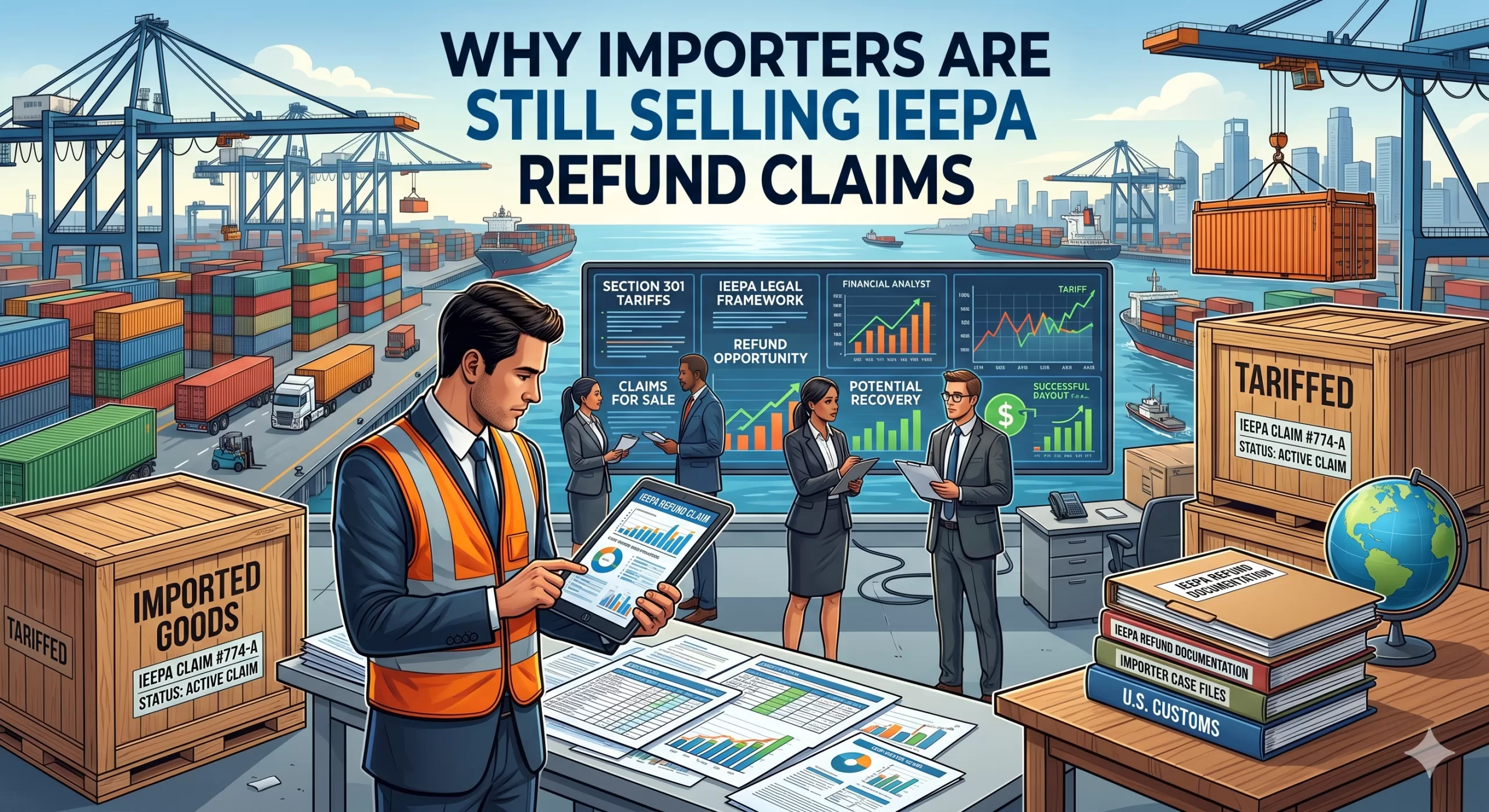
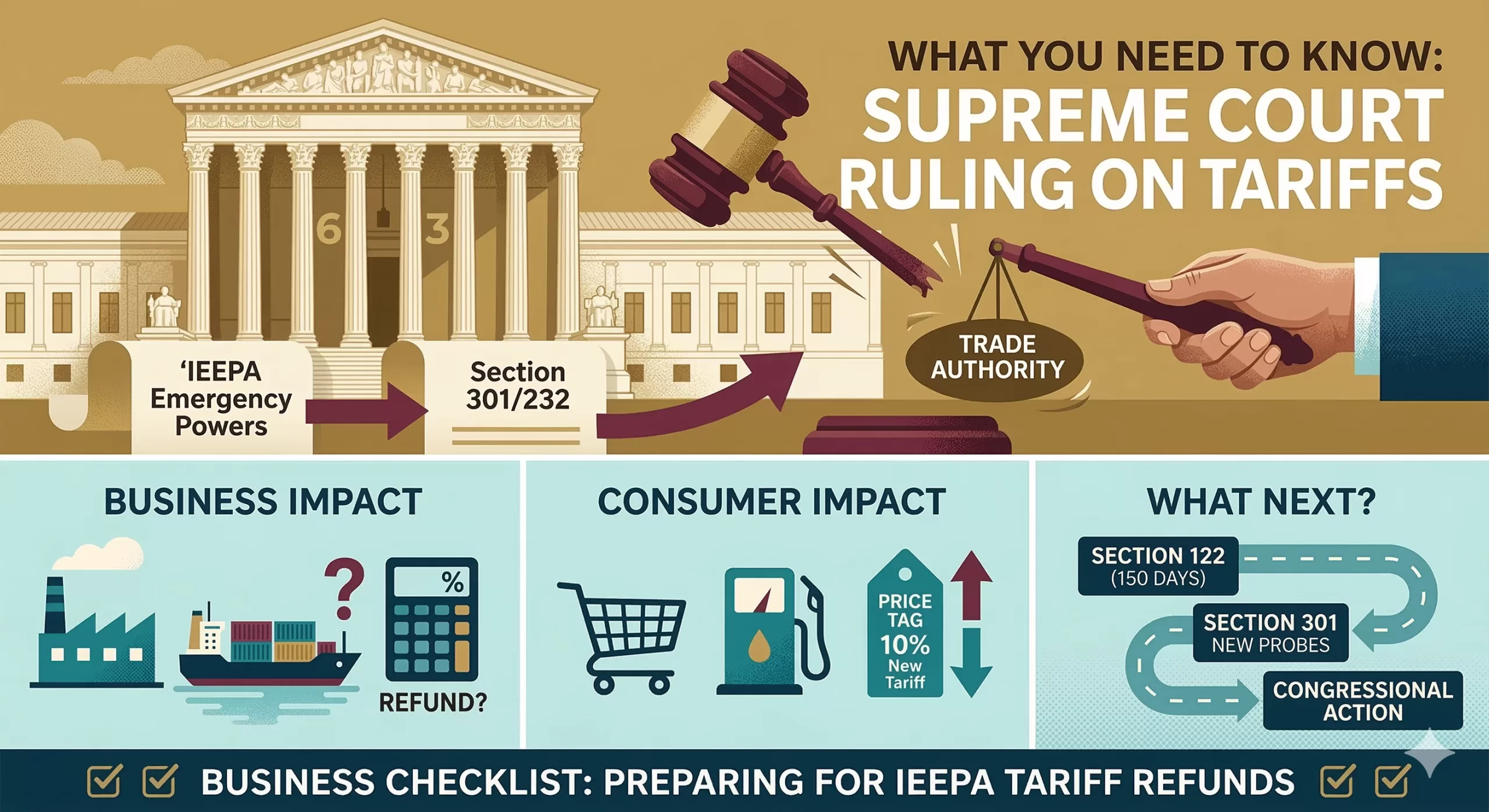
IEEPA Tariff While the Supreme Court invalidated the Administration’s ability to impose tariffs under IEEPA (International Emergency Economic Powers Act), it was deliberately silent with respect to refunds.

As the Administration’s stance is likely to be adversarial, it could take months if not years for businesses to receive IEEPA tariff refunds via conventional channels.  

Prior to the Supreme Court Ruling, Hedge Funds were purchasing IEEPA tariff claims at an average of only 22% of the total claim due to the high risks involved. After the Ruling, due to mitigation of some of the uncertainty, they are currently purchasing claims at 75% of the refund amount. Rates are based on claim size and credit quality as tariff refund claims are not assignable. Importers with IEEPA tariff refund claims starting at $500,000 are eligible and there is no maximum limit. AES has monetized $20 million in refund claims since its involvement in brokering IEEPA tariff refund claims commenced 5 months ago. Clients include those in the food, seasonal decoration, apparel and home goods industries.

Instead of waiting 6, 12, 24 months or even longer to receive an IEEPA tariff refund, Hedge Funds can purchase claims within approximately 4 to 6 weeks depending on the quality of documentation assembled by the business.  

How the Process of Selling an IEEPA Tariff Claim Works

Concept is:
As an example, Company X has paid ($10 Million) in tariffs since April 7, 2025
Company X wants to de-risk prior to determination and finalization of the IEEPA tariff

Refund Process.
Company X sells (50%, 100%, or some other percentage) of its tariff ‘claim’ to Buyer A in the form of a participation.

The Trade is nonrecourse to Company X as to the outcome of the Refund Process; but recourse to Company X only if the amount / validity of the claim is proven to be false, or too high.
 
Process for Selling IEEPA Tariff Claims:
As an example, Company X has paid $10 million in IEEPA Tariffs.

Company X agrees to “sell” its tariff claim to Buyer for 75% of the claim amount, i.e. $7.5 million.

Buyer sends Seller a Confirm, and then ultimately a Participation Agreement which will govern the transaction.
IMPORTANT – Company X retains its status as the “Plaintiff” / “Claimant” since these tariff claims are not transferable.

Buyer might ask Company X to commence litigation for the return of the IEEPA tariffs paid. The rationale for this is that it is possible that only those parties who have commenced actual litigation are entitled to refunds. Thus, Company X will need to commence litigation in order to receive their refund.

Buyer will continue to monitor the situation and inform Company X of developments.
If and when the refund is received on the claim, Company X will receive the refund and forward to the Buyer.


Using an IEEPA Tariff Claim as Collateral for a Loan


In lieu of selling an IEEPA Tariff Claim at a discount, it is possible to use this claim as collateral for a term loan. This term loan would be on a “recourse: basis to the borrower.

The potential loan amount could be up to approximately 50% to 60% of the total IEEPA claim amount. However, the claim must exceed $20 million to qualify for a loan.
The interest rate would be in the low to mid-teens.


Key Points Regarding the Sale:
Company X (as seller of the Claim) must be a financially healthy enough counterparty for Buyer A to enter into what could be a 2-to-5-year process of obtaining the refund.
Legal fees are split going forward based on risk percentage. If Company X sells 100% today, Buyer A will pay 100% of legal costs today. 

Buyers are currently paying up to 75% to companies seeking to sell their IEEPA tariff claims. However, this is an evolving market and these percentages can either increase or decrease depending on the markets’ reaction to the Trump Administration’s expected obstructionism and the unresolved Court of International Trade’s procedural issues.
Prior to the Supreme Court decision, buyers were purchasing tariff claims at an average of 22% due to the high risks involved.

We will be monitoring on a daily basis the rates at which Buyers are purchasing IEEPA claims and we will update our website accordingly. Feel free to email us to ascertain what the rate is on any particular day. 

 There would likely be an administrative process instituted such that companies that have paid these IEEPA tariffs will need to file special claims and wait to get refunded by the government. The process of receiving the refund payment from the government could take up to 2 to 5 years according to trade experts.


Contact Chris Lehnes to learn if your client is a fit for this program

Wall Street Traders Are Pouncing on the Tariff Refund Chaos

This details how investment firms are turning a legal and political mess into a new trading opportunity.

The situation stems from a recent Supreme Court ruling that tossed out several of President Trump’s sweeping tariffs. This has created a scramble for companies to claw back the levies they have already paid—estimated to be as high as $133 billion.

  • The Rise of “Claims Trading”: Large corporations (like retailers and manufacturers) that paid billions in tariffs are now selling the rights to their potential government refunds to Wall Street investors.
  • Why Companies Are Selling: Rather than waiting years for the government to process refunds or navigate complex litigation, companies are opting for immediate cash by selling their claims at a discount.
  • The Players: Specialist investment firms—including King Street Capital Management, Anchorage Capital Advisors, and Fulcrum Capital—are among those pouncing on these claims. They are betting that they can eventually collect the full refund from the Treasury, netting a significant profit.
  • Legal Uncertainty: The Supreme Court has not yet explicitly ruled on whether the government must issue refunds for the tariffs already collected. Despite this, investors are moving quickly to snap up these rights, treating them similarly to how they trade the debt of bankrupt companies.
  • The “Chaos” Factor: The process is currently a “long, drawn-out mess” with high administrative hurdles. Traders are effectively providing a “liquidity service” to companies that want the tariff money back on their balance sheets now rather than later.

In short, while the reversal of the tariffs has caused massive administrative and fiscal confusion for the government, Wall Street has identified it as a lucrative new asset class.

Convert IEEPA Tariff Claims to Cash on an Expedited Basis - Quickly Recoup Your Tariff Payments

Contact Chris Lehnes to learn if your client is a fit for this program

Factoring Proposal – $3 Million – Apparel Distributor – Quick Cash to Recover

Factoring Proposal: After recently recovering from the devasting impacts of tariffs, this company requires PO financing to rebuild inventory. Their existing factor is uncooperative and must be replaced by Versant which has the ability to facilitate PO funding though a trusted partner.

Factoring Proposal Issued | $3 Million | Apparel Manufacturer

Contact Factoring Specialist, Chris Lehnes

The Hold-Out is Over: Companies Are Raising Prices Again

Prices are going up…

Remember that brief sigh of relief? The one where it felt like maybe, just maybe, the relentless march of price increases was slowing down? Well, if you’ve been to the grocery store, filled up your gas tank, or even just browsed online recently, you’ve probably noticed it: the break is over. Companies are jacking up prices again, and consumers are once again feeling the pinch.

The Hold-Out is Over: Companies Are Raising Prices Again

For a while, many economists and analysts pointed to easing supply chain issues, stabilizing energy costs, and even a slight dip in consumer demand as potential signals that inflation was cooling. Some businesses even held the line on prices, perhaps hoping to retain market share or out of a genuine desire to give their customers a break.

But those days seem to be largely behind us. We’re seeing a resurgence in price hikes across a wide array of sectors. From everyday necessities to discretionary items, the numbers on the tags are climbing.

What’s Driving This Latest Surge?

Several factors are likely contributing to this renewed upward trend:

  • Persistent Input Costs: While some raw material costs have stabilized, others continue to be elevated. Labor costs are also a significant factor, with many businesses facing pressure to offer higher wages to attract and retain employees. These increased operational expenses often get passed on to the consumer.
  • Strong Consumer Demand (Still): Despite earlier predictions of a significant slowdown, consumer demand has proven remarkably resilient in many areas. When demand remains high, businesses have less incentive to lower prices and more leeway to raise them.
  • “Catch-Up” Pricing: Some companies might feel they absorbed increased costs for a period and are now playing catch-up, adjusting prices to reflect their sustained operational expenses.
  • Geopolitical Factors: Global events continue to create volatility in commodity markets, particularly for energy and certain raw materials, which inevitably impacts production and transportation costs.
  • Profit Margins: Let’s be honest, businesses are in the business of making a profit. If they perceive an opportunity to increase their margins without significantly impacting sales volume, many will take it.

What Does This Mean for You?

For the average household, this renewed wave of price increases means a continued squeeze on budgets. Discretionary spending may need to be curtailed further, and even essential purchases will require more careful planning. Savings might deplete faster, and the goal of financial stability could feel increasingly distant.

How Can Consumers Cope?

While we can’t control the broader economic forces at play, there are strategies consumers can employ to mitigate the impact:

  • Become a Savvy Shopper: Compare prices diligently, look for sales and discounts, and consider generic or store-brand alternatives.
  • Budgeting is Key: Revisit your budget and identify areas where you can cut back. Track your spending to understand exactly where your money is going.
  • Prioritize Needs vs. Wants: Distinguish between essential purchases and items that can be deferred or eliminated.
  • Support Local (Where Affordable): Sometimes local businesses, with lower overheads, can offer competitive pricing, or at least you’re supporting your community.
  • Advocate for Yourself: When possible, negotiate prices for services, or look for loyalty programs that offer discounts.

The “break” from rising prices was indeed short-lived. As companies continue to adjust their pricing strategies, it’s more important than ever for consumers to be vigilant, adapt their spending habits, and advocate for their financial well-being.

The Hold-Out is Over: Companies Are Raising Prices Again

Contact Factoring Specialist, Chris Lehnes